Xinjiang - Burjin
布爾津
Overview
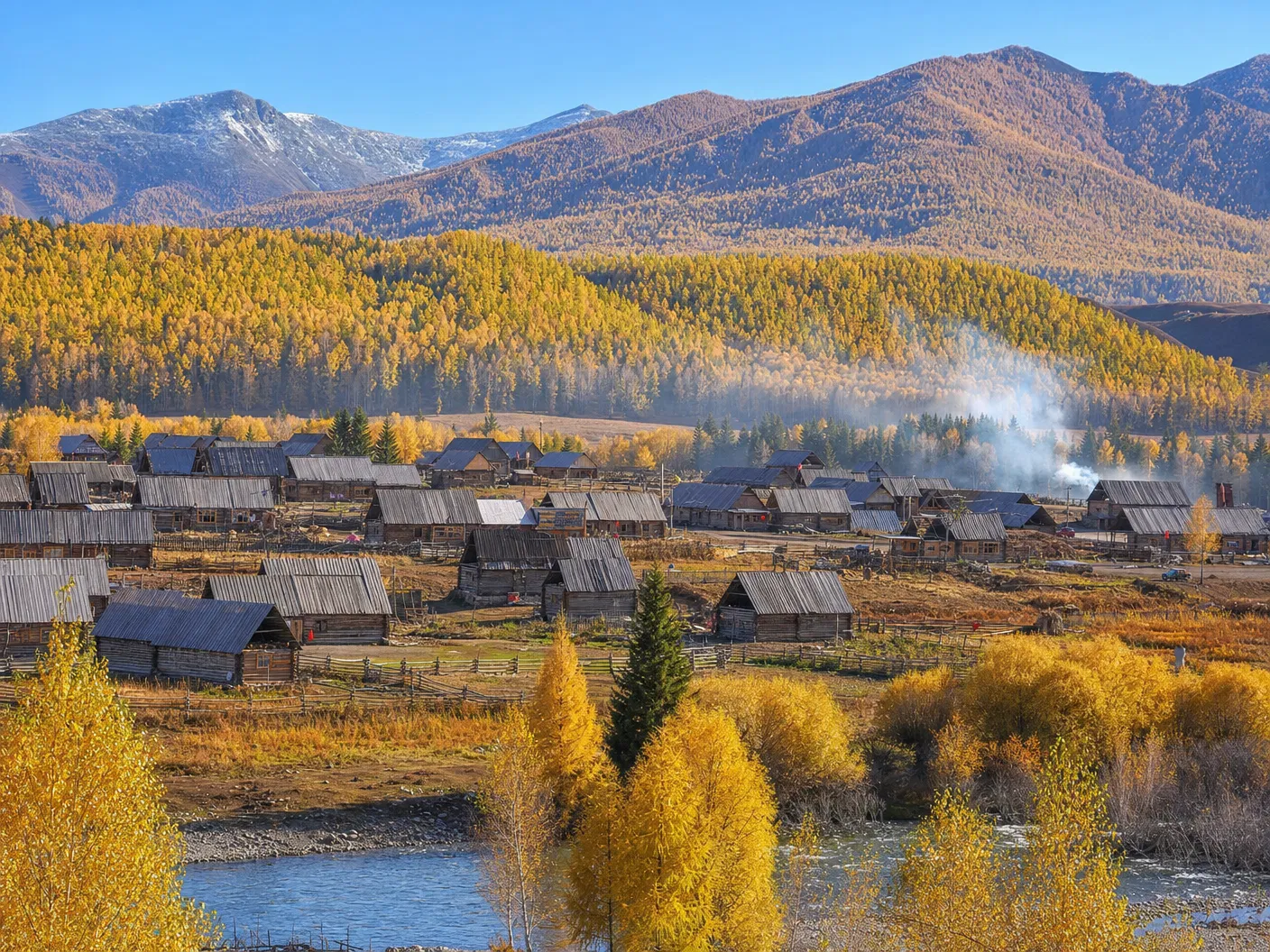
Remote town in northern Xinjiang, gateway to Keketuohai and the picturesque Hemu Village with golden larch trees and traditional log houses.
Best Season
Summer & Fall (Autumn for golden larches)
Region
Northwest China
Must-Visit Attractions
Hemu Village
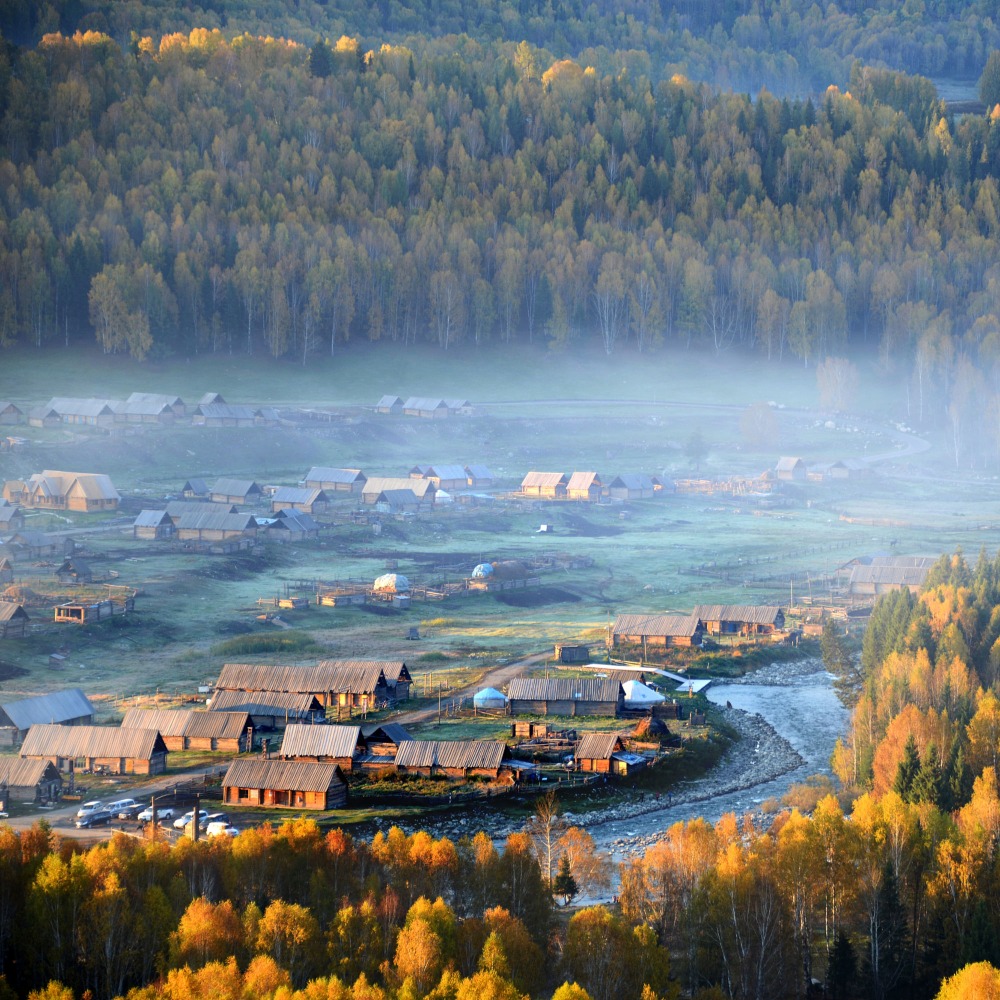
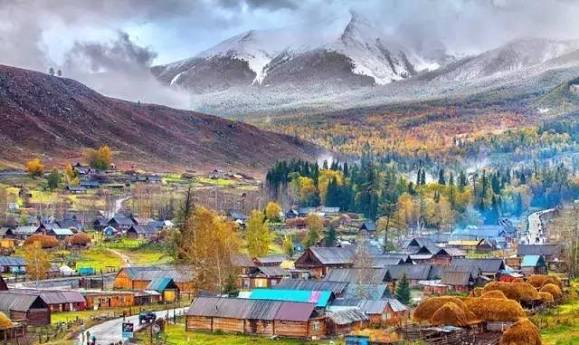
Nestled in the Altay Mountains of Xinjiang, Hemu Village is one of China's last remaining and best-preserved Tuva settlements, offering a glimpse into a traditional nomadic lifestyle. Its distinctive wooden chalets, set against a backdrop of pristine white birch forests and the meandering Hemu River, create a picturesque landscape. This UNESCO-recognized cultural gem provides international tour groups with an authentic encounter with Tuva heritage, showcasing their unique architecture and harmonious coexistence with nature. The village's serene environment and rich cultural tapestry make it a compelling destination for those seeking immersive experiences.
Highlights:
- Tuva cultural gem
- Traditional wooden chalets
- Pristine birch forests
- Nomadic heritage
Rainbow Beach
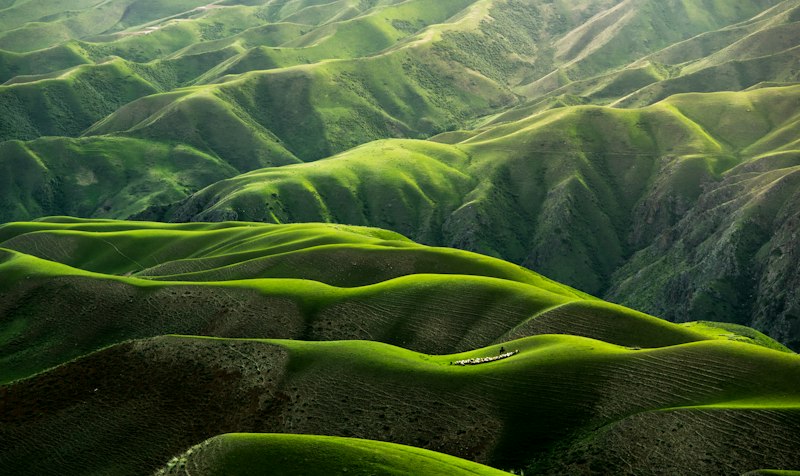
Rainbow Beach, known locally as Wucaitan, is a geological marvel in Burqin County, Xinjiang, renowned for its unique Yardang landforms. Formed over millions of years by wind and water erosion, the landscape features vibrant, multi-colored rock formations along the Irtysh River. The striking hues of red, yellow, and green, derived from ancient mineral deposits, create a surreal, painterly vista, especially captivating at sunrise or sunset. This natural wonder offers international visitors a rare opportunity to witness Earth's artistic geological processes and capture breathtaking photographic memories.
Highlights:
- Vibrant Yardang landforms
- Multi-colored rock formations
- Irtysh River views
- Geological marvel
Kanas Lake Tuwa Village
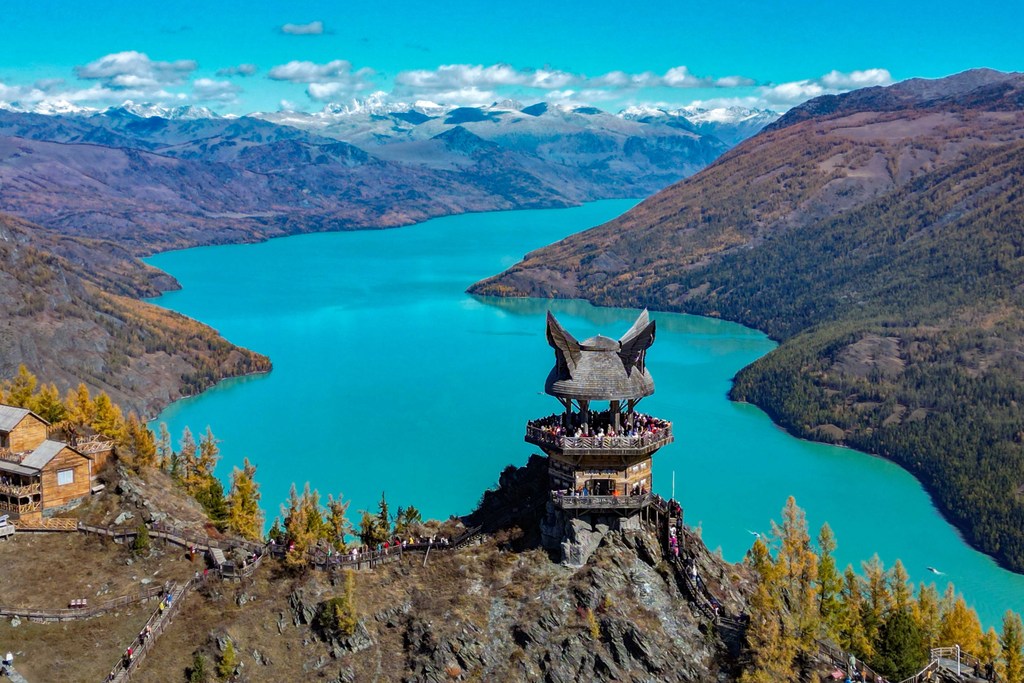
Kanas Lake Tuwa Village is home to the Tuva people, an ethnic Mongolian subgroup believed by some to be descendants of Genghis Khan's army, preserving a distinct cultural heritage for centuries. Nestled amidst the stunning Kanas Lake Scenic Area, the village features traditional wooden houses and offers a glimpse into their unique customs and pastoral life. International tour groups can immerse themselves in the rich folklore and tranquil environment, experiencing a living history that harmonizes with the breathtaking natural beauty of the surrounding mountains and the legendary Kanas Lake.
Highlights:
- Genghis Khan lineage
- Tuva ethnic culture
- Traditional wooden homes
- Kanas Lake folklore
Keketuohai
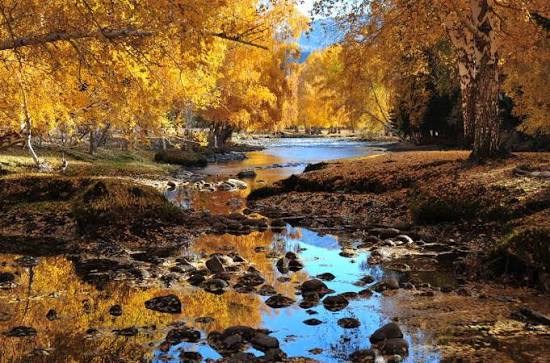
Keketuohai National Geopark, located in Fuyun County of Altay Prefecture, Xinjiang, is a geological wonderland featuring dramatic granite formations, deep river canyons, and the iconic Irtysh River Grand Canyon. The park's centrepiece — the towering Divine Bell Rock (Shenzhong Shan) — rises 365 metres above the valley floor. Surrounded by pristine forests that blaze with autumn colour, Keketuohai offers world-class hiking, geological education, and landscape photography opportunities far from the crowds.
Highlights:
- Granite Formations
- Divine Bell Rock
- Irtysh Grand Canyon
- Autumn Foliage
Baihaba Village
Baihaba Village, nestled in the remote Altai Mountains near the China–Kazakhstan border, is often called 'China's Northwest First Village.' This pristine Tuva settlement features traditional log cabins surrounded by towering birch and larch forests that transform into a golden tapestry each autumn. The village's isolation has preserved its authentic pastoral lifestyle, offering visitors a rare glimpse into centuries-old nomadic traditions amidst some of Xinjiang's most breathtaking mountain scenery.
Highlights:
- Northwest First Village
- China-Kazakhstan Border
- Tuva Log Cabins
- Autumn Golden Forests
B2B Travel Information: Xinjiang - Burjin
Overview for Travel Agencies
Burjin County in northern Xinjiang is the gateway to Kanas Lake and the legendary Hemu Village — one of China's most photogenic destinations — where traditional Tuvan log houses are surrounded by golden larch forests in autumn. Travel agencies specialising in photography tours and authentic ethnic minority experiences consistently rate the Kanas-Hemu area as one of China's most extraordinary destinations.
Group Size & Duration
Ideal for groups of 8–20 pax. Recommended tour duration: 3–4 days in the Kanas-Hemu area, typically combined with Urumqi (1 hr flight) and Ili Valley for a northern Xinjiang circuit.
Logistics & Connectivity
Served by Altay Airport (AAT), then 2 hrs by road to Burjin. Connections from Urumqi (1 hr flight). The Kanas-Hemu area is best visited June–October; FancyChinatour coordinates all permits and ground transport.
Signature Experience
Hemu Village at dawn in October — when the golden larch trees surrounding the traditional Tuvan log houses glow in the morning light and morning mist drifts through the valley — is one of China's most extraordinary autumn photography experiences.
FancyChinatour B2B Service Highlight
FancyChinatour provides specialised Kanas-Hemu photography tour packages, Tuvan cultural village experiences, and comprehensive northern Xinjiang circuits for international travel agency groups.
Burjin northern Xinjiang seasonal photography and forest-lake programme planning
Burjin should be scoped as a separately paced northern Xinjiang photography and landscape programme, where Kanas, Hemu, forest-lake scenery and village context require a realistic seasonal and mobility brief. Agencies should state the travel window, photography priorities, outdoor tolerance, accommodation expectations and gateway needs before quotation; current access, road conditions, vehicles, supplier availability and final inclusions are confirmed only in the written proposal.
- Define whether the brief prioritises autumn colour, village-and-culture context, forest-lake landscapes or a wider northern Xinjiang photography programme.
- Treat gateway time, long-distance road movement, outdoor photography windows and accommodation as separate decisions in the group rhythm.
- Confirm current access, road conditions, group mobility, vehicles, accommodation suitability and final inclusions in the written proposal.
Representative agency planning scenario: northern Xinjiang photography and village landscape priorities
This representative planning scenario illustrates questions used to shape a Burjin and Kanas-Hemu enquiry. It is not a published client testimonial, confirmed booking or guarantee of seasonal scenery.
Agency brief
A northern Xinjiang landscape programme where forest-lake scenery, village context and photography timing need to be balanced against long-distance movement and seasonal conditions.
Route question
Should the agency use Urumqi as a gateway, compare Burjin with Yili's valley-and-grassland role, or keep the northern landscape section focused without assuming fixed transfers?
Working brief
Travel window, group mobility, photography expectations, outdoor comfort, rooming needs, vehicle requirements and guide language supplied before quotation.
Planning decisions illustrated
- Protect the group’s stated photography and landscape priorities before setting the daily road-and-stop sequence.
- Do not present seasonal colour, village access or outdoor timing as a year-round guaranteed outcome.
- Confirm access, road conditions, transport, accommodation, guide allocation and final inclusions in the written proposal.
Seasonal conditions, access, road conditions, vehicles, accommodation and all final service terms are confirmed only in the written proposal.
Kanas seasonal operations and photography-planning reference
Use this source-dated reference to separate an agency's travel window, reservation check, transport review and photography priorities before a Burjin quotation is prepared. It is not a promise of access, scenery, weather, transport capacity or photography results.
Summer operations — source dated 15 April 2026
The Kanas Scenic Area Administrative Committee's 2026 summer notice states a 1 May–15 October operating period, real-name reservation channels, and a sightseeing-coach plus village-bus arrangement. It also directs visitors to current capacity, comfort and transport updates. Use this as a current-notice check, not as a standing timetable.
Winter planning — historic notice, re-check before quoting
The Kanas winter notice for 16 October 2025–30 April 2026 described advance reservations and winter road / vehicle considerations. Its dates have elapsed, so agencies should obtain the latest winter notice rather than treating that schedule or operating conditions as current.
Photography brief — define the desired rhythm, not an outcome
State whether the group values forest-lake viewing, village context, open landscape time or dawn / dusk flexibility, then test those priorities against confirmed access and the group’s outdoor comfort. Do not sell colour, mist, snow, wildlife or light conditions as guaranteed deliverables.
Official sources
Source status can change. Check the latest official notice before quotation; access, reservations, transport, accommodation, guide allocation and final inclusions are confirmed only in the written proposal.
Compare Yili and Burjin Xinjiang landscape roles
Burjin's northern Xinjiang photography and forest-lake setting offers a different product role from Yili's seasonal valley and grassland programme. Agencies can compare travel window, outdoor pace and cultural priorities before deciding whether either landscape segment belongs in the route; access and inclusions are confirmed in writing.
Yili and Burjin Xinjiang landscape comparisonCompares valley-and-grassland planning with a northern Xinjiang landscape choice without assuming they must be combined.Burjin northern Xinjiang landscape and Urumqi gateway planning
Burjin's forest-lake and photography-oriented northern Xinjiang setting can be assessed alongside Urumqi's gateway and city-market role without presenting a fixed regional transfer. Agencies should define the travel window, outdoor pace, group mobility, usable nights and gateway needs before quotation; route access, transport, accommodation and final inclusions are confirmed in the written proposal.
Urumqi gateway and Burjin northern Xinjiang landscape planningConnects a gateway-city brief with a separately paced northern Xinjiang landscape choice.Compare Xinjiang gateway, valley and seasonal photography programme roles
These pages help agencies distinguish Burjin's northern Xinjiang forest-lake and village photography role from Urumqi's gateway function, Yili's seasonal valley programme and Hailar's grassland photography setting. They are planning comparisons rather than a promised sequence; travel window, access, transport, accommodation and final inclusions are confirmed in the written proposal.
Frequently Asked Questions about Xinjiang - Burjin
What is the best time to visit Burjin and Kanas Lake?
September to October is the most spectacular time to visit Burjin and Kanas Lake, when the birch and larch forests turn brilliant shades of red, orange, and gold, reflected in the deep blue lake waters. This autumn foliage display is considered one of China's most beautiful natural spectacles. Summer (June–August) offers lush green scenery and accessible hiking. Winter (November–April) closes most facilities but offers pristine snow scenery for adventurous travellers.
What is the Kanas Lake Monster legend?
Kanas Lake in the Altay Mountains is famous for reported sightings of a large mysterious creature in its depths, often compared to the Loch Ness Monster. The lake, at 1,374 metres above sea level, is one of China's deepest lakes (maximum depth 188 metres) and is home to the Hucho taimen, a giant freshwater fish that can grow up to 2 metres in length. Whether or not the 'monster' exists, the legend adds to the mystique of this extraordinarily beautiful alpine lake.
What ethnic minority cultures are present in the Burjin area?
The Burjin area is home to the Tuvan people (also known as Tuvans), a small Turkic ethnic group of approximately 2,000 people who live in the Kanas Lake area and maintain a traditional semi-nomadic lifestyle. The Tuvan villages of Kanas, Hemu, and Baihaba are among the most photogenic in China, featuring log cabins, traditional costumes, and ancient shamanic traditions. FancyChinatour arranges respectful cultural visits to Tuvan villages with expert local guides.
Request a Quote
Get a personalized quote for your group travel to Xinjiang - Burjin
Travel-agency enquiries
Established
Published destination profiles