Beijing

Beijing

北京

Overview

China's capital city, home to the Great Wall, Forbidden City, and thousands of years of imperial history.

Best Season

Spring (April-May), Fall (September-October)

Region

Northern China

Quick Facts

Best Season

Spring (April-May), Fall (September-October)

Region

Northern China

Must-Visit Attractions

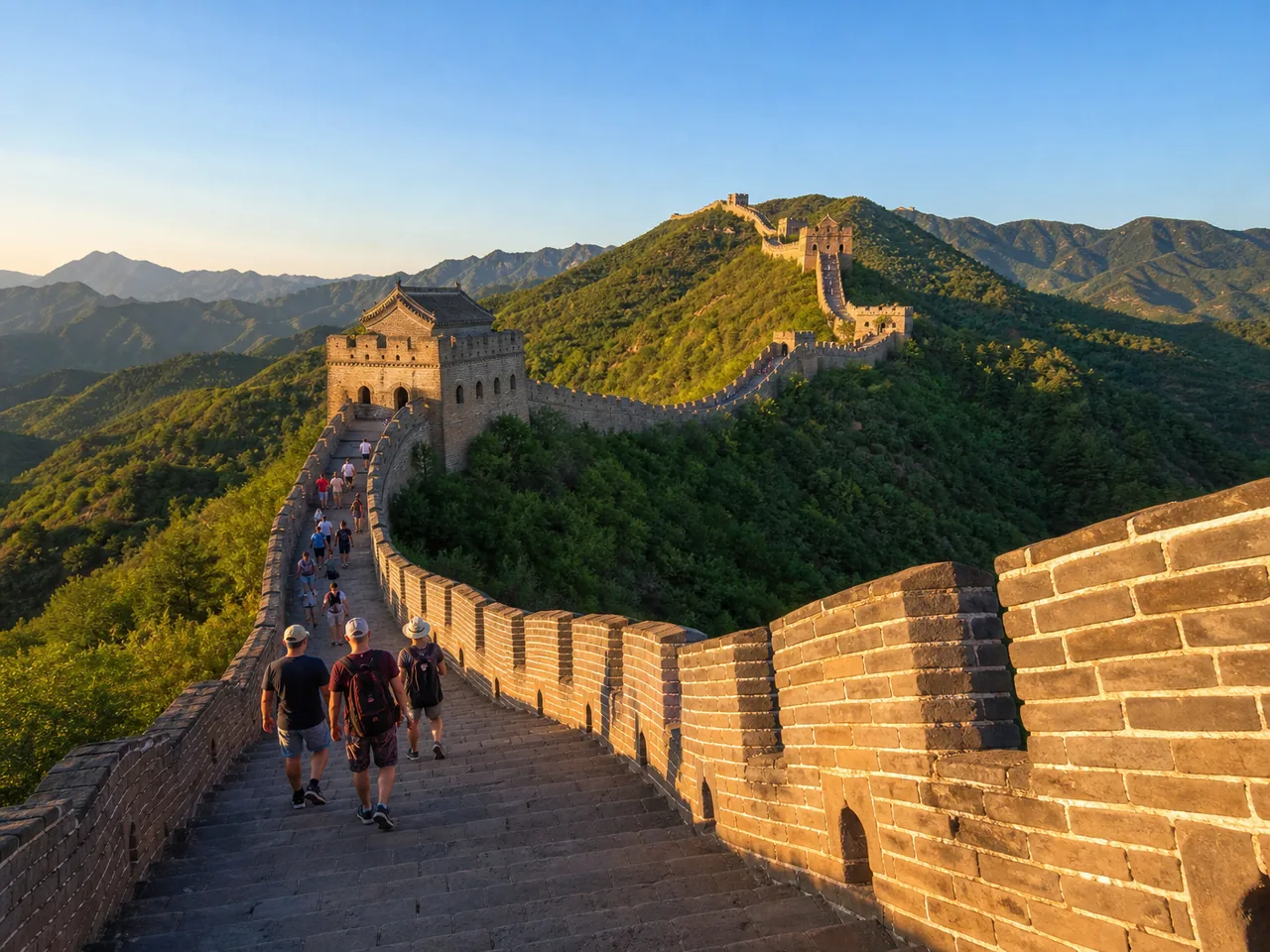
Great Wall
1

Great Wall

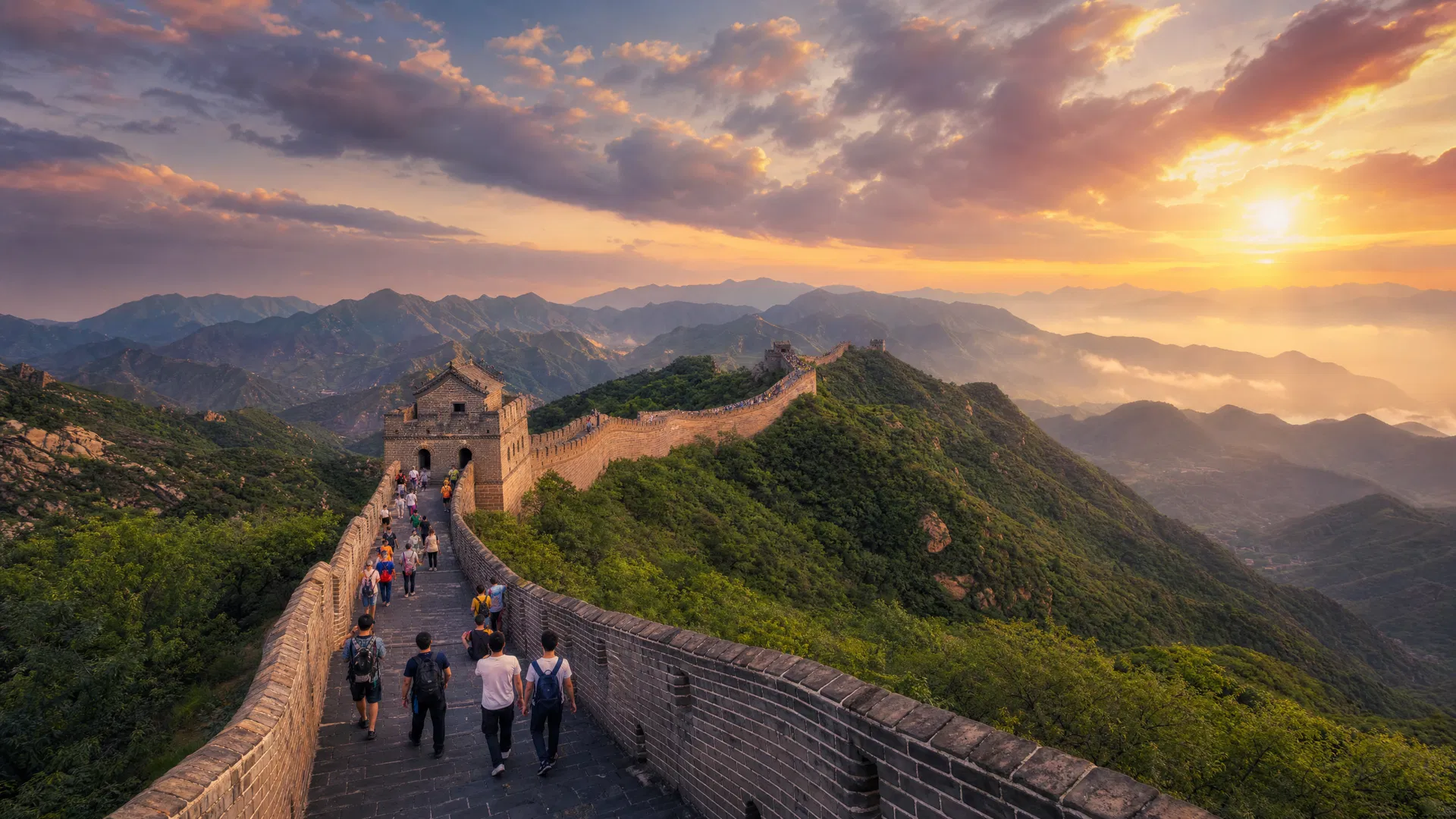
One of the most iconic structures in the world, the Great Wall of China stretches over 13,000 miles. Built over many centuries, it served as a defensive fortification and is now a UNESCO World Heritage Site. Visitors can hike along various restored sections, experiencing breathtaking mountain views and ancient architecture.

Highlights:

  • Badaling Section
  • Mutianyu Section
  • Juyongguan Pass
  • Ancient watchtowers
Forbidden City
2

Forbidden City

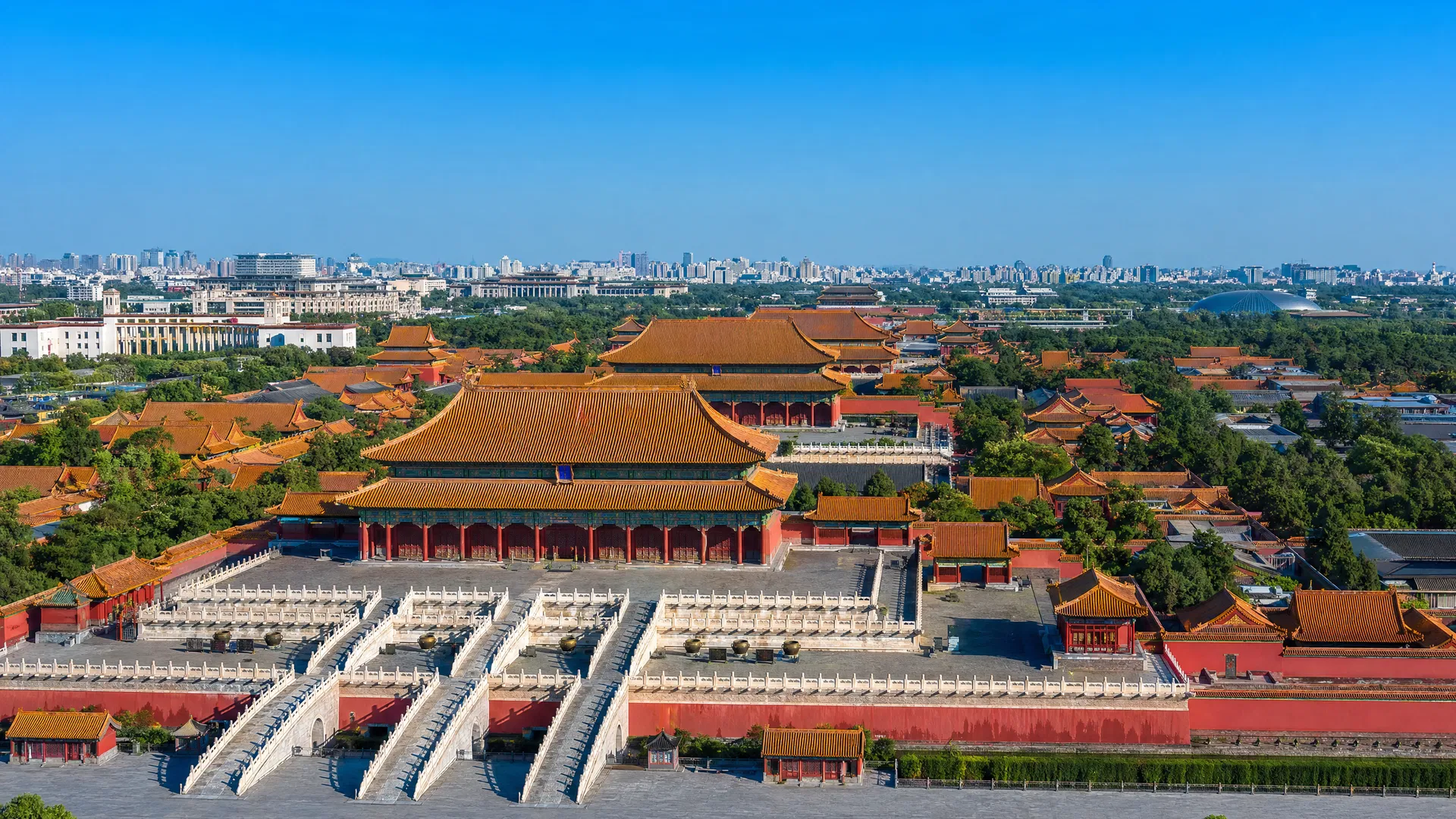
The imperial palace of the Ming and Qing dynasties, the Forbidden City is the largest palace complex in the world. With nearly 1,000 buildings and intricate courtyards, it showcases traditional Chinese architecture at its finest. The palace served as home to 24 emperors and is a masterpiece of ancient Chinese civilization.

Highlights:

  • Hall of Supreme Harmony
  • Palace of Heavenly Purity
  • Imperial Garden
  • Throne rooms
Summer Palace
3

Summer Palace

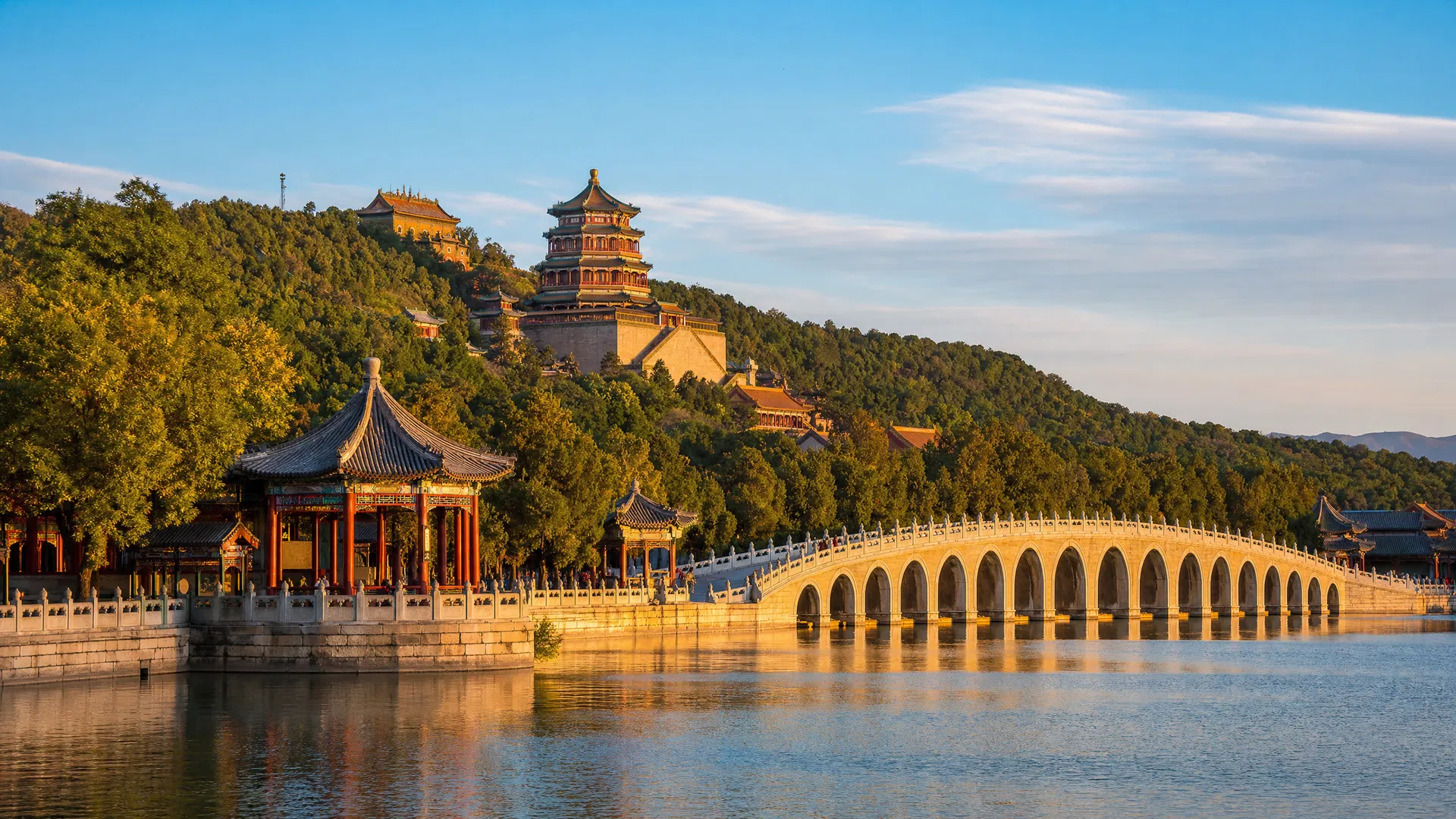
A masterpiece of Chinese landscape garden design, the Summer Palace served as a retreat for imperial families during the hot months. Built in the 18th century, it features beautiful gardens, pavilions, and the famous Kunming Lake. The palace is renowned for its harmonious blend of natural and architectural elements.

Highlights:

  • Kunming Lake
  • Longevity Hill
  • Marble Boat
  • Seventeen-Arch Bridge
Temple of Heaven
4

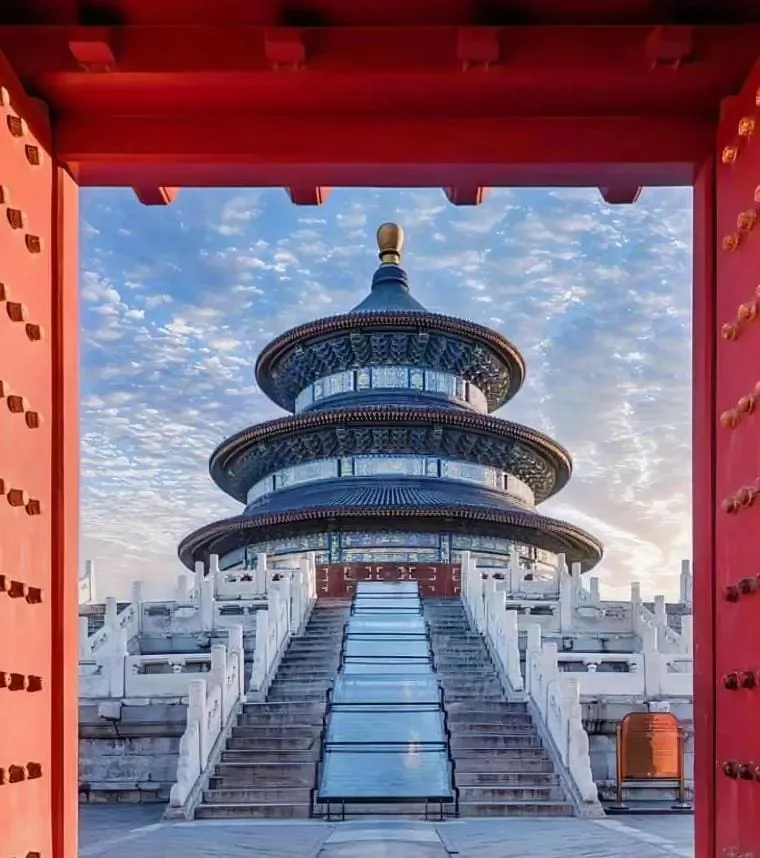
Temple of Heaven

A supreme masterpiece of Ming dynasty ritual architecture, the Temple of Heaven was where emperors performed solemn ceremonies to pray for good harvests and divine blessings. The iconic Hall of Prayer for Good Harvests, with its triple-tiered blue-tiled roof rising 38 metres, is one of China's most recognisable silhouettes. The surrounding 267-hectare park is equally celebrated for its ancient cypress groves and the remarkable Echo Wall, which carries whispered voices across its curved surface.

Highlights:

  • Hall of Prayer for Good Harvests
  • Echo Wall
  • Circular Mound Altar
  • Ancient cypress park
Tiananmen Square
5

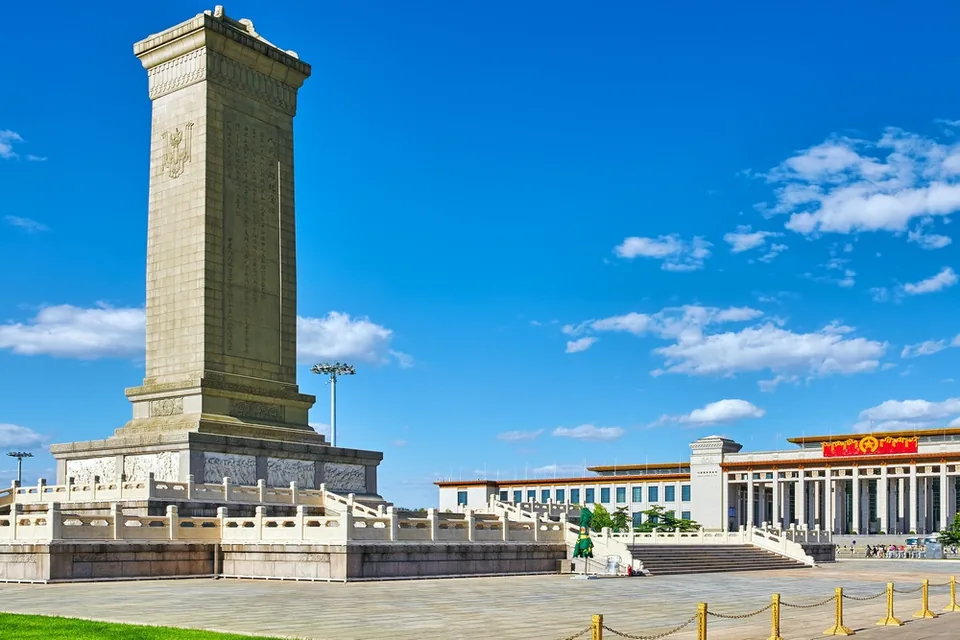
Tiananmen Square

The symbolic heart of modern China, Tiananmen Square is the world's largest public square at 440,000 square metres. Flanked by the Gate of Heavenly Peace bearing Mao Zedong's portrait, the Great Hall of the People, and the National Museum of China, it offers an unparalleled sense of the nation's scale and history. The daily flag-raising ceremony at sunrise draws thousands of visitors and remains one of Beijing's most moving experiences.

Highlights:

  • Gate of Heavenly Peace
  • Flag-raising ceremony
  • Monument to the People's Heroes
  • National Museum of China

B2B Travel Information: Beijing

Overview for Travel Agencies

Beijing is China's political and cultural capital, offering travel agencies an unrivalled concentration of UNESCO World Heritage Sites, imperial palaces, and living cultural traditions. The city's extensive tourism infrastructure handles millions of international visitors annually, with professional guide services available in over 20 languages.

Group Size & Duration

Ideal for groups of 10–60 pax. Recommended tour duration: 4–6 days to cover the Great Wall, Forbidden City, Temple of Heaven, Summer Palace, and hutong neighbourhoods.

Logistics & Connectivity

Served by Beijing Capital International Airport (PEK) and Daxing International Airport (PKX). High-speed rail connects Beijing to Shanghai (4.5 hrs), Xi'an (5 hrs), and Tianjin (30 min). Premium hotels concentrated in Chaoyang, Dongcheng, and Haidian districts.

Signature Experience

A private sunrise visit to the Mutianyu Great Wall section, followed by a traditional hutong rickshaw tour and a Peking duck dinner at a historic restaurant, creates an immersive Beijing experience that resonates with international visitors.

FancyChinatour B2B Service Highlight

FancyChinatour offers exclusive Great Wall private access arrangements, imperial palace expert guides, and seamless coordination for large group movements across Beijing's major attractions.

For agencies considering a Northeast nature extension after a Beijing heritage programme, Changbai Mountain adds a separate volcanic-lake and mountain-conditions segment. The appropriate season, group comfort and access requirements should be reviewed before the route is confirmed in writing.

Changbai Mountain volcanic landscape and seasonal group planningUse this destination page to plan a mountain-nature extension separately from Beijing's city and heritage pacing.

Beijing's later imperial-capital context and Luoyang's earlier dynastic, Buddhist-art and grotto-heritage focus can be planned as distinct interpretive segments for agencies creating a broader history programme. This card adds a heritage reference without displacing Beijing's existing Northeast nature extension; visit timing, reservations, group pace and final inclusions are confirmed in the written proposal.

Luoyang ancient-capital and grotto-heritage programme planningContrast Beijing's imperial narrative with Luoyang's ancient-capital and Buddhist-art context before fixing the historical route sequence.

Beijing's imperial-capital programme can be paired with Tianjin's riverside concession architecture when agencies need a contrasting urban-heritage segment. Use this link to distinguish programme roles instead of implying a fixed day trip; rail timing, walking pace and final inclusions are confirmed in the written proposal.

Tianjin treaty-port architecture and Beijing extension planningAdds treaty-port and riverside architecture after the Beijing imperial-capital brief is defined.

For agencies developing a wider imperial-heritage product, Liaoning adds a distinct Manchu-era palace and Northeast provincial context beyond Beijing's capital narrative. This link clarifies editorial scope rather than a fixed route; travel window, local access and final inclusions are confirmed in the written proposal.

Liaoning Manchu imperial heritage and Northeast seasonal route planningAdds a Manchu-era palace and provincial heritage layer to a capital-focused heritage brief.

Beijing's imperial-capital, palace and museum context can be compared with Qingdao's coastal port-city, architecture and waterfront rhythm when agencies are defining separate urban-heritage segments. The link is for product design, not a promised connection; travel timing, transport, local access and final inclusions are confirmed in the written proposal.

Qingdao coastal port-city heritage and group programme pacingPairs a modern coastal port-city perspective with Beijing's imperial-capital heritage without treating either city as interchangeable.

Beijing's capital heritage programme can be compared with Hohhot's city-and-steppe context when an agency is considering an Inner Mongolia cultural extension. The card helps distinguish product roles rather than promise a transfer or a standard grassland pattern; travel window, access, transport and final inclusions are confirmed in the written proposal.

Hohhot city-and-steppe programme planning for travel agenciesAdds an Inner Mongolia city-and-steppe comparison after the Beijing capital-heritage brief is defined.

Beijing's imperial-capital, palace and museum programme can be compared with Shanghai's international-gateway, modern-city and MICE role when agencies are defining distinct China product sections. This card supports product positioning rather than a fixed connection; travel window, transport, local access and final inclusions are confirmed in the written proposal.

Shanghai international gateway, MICE and modern-city programme planningPairs a capital-heritage brief with a distinct international-gateway and modern-city programme role.

Beijing's later imperial-capital, palace and museum context can be compared with Xi'an's Qin-and-Tang archaeology when agencies are defining distinct ancient-capital sections. This is an editorial comparison rather than a promised transfer; travel timing, access and final inclusions are confirmed in the written proposal.

Xi'an ancient-capital heritage and Terracotta Warriors planningAdds a Qin-and-Tang archaeological counterpart to Beijing's later imperial-capital programme.

Recommended Connectable Destinations

Coach
Tianjin~1.5 hrs
Chengde~3 hrs
Datong~4 hrs
Wutai Mountain~4.5 hrs
High-Speed Rail
Shanghai~4.5 hrs
Xi'an~5 hrs
Qingdao~3.5 hrs
Luoyang~4 hrs
Harbin~5 hrs
Shenyang~2.5 hrs
B2B operational Field Notes

Beijing: group-planning summary

Beijing programmes should be sequenced around the group’s arrival airport, core heritage priorities and realistic movement between visits. This note outlines the information needed before a detailed quotation is prepared.

Key group-planning checkpoints

  1. Protect the core visits first

    Identify the Great Wall, Forbidden City, Temple of Heaven and Summer Palace priorities at the start of the enquiry. This lets the itinerary be designed around the visits that matter most to the group.

    Key details to include
    • Rank the Great Wall, Forbidden City, Temple of Heaven and Summer Palace.
    • Flag visits that are essential rather than optional.
    • Build the first itinerary draft around the highest-priority visits.
  2. Quote-ready group brief

    Provide travel dates, group size, PEK or PKX arrival details, hotel level, guide language, meal preferences and accessibility needs. These inputs determine whether a four- to six-day framework can be shaped appropriately.

    Key details to include
    • Provide dates, group size and PEK or PKX flight details.
    • State hotel level, guide language and meal preferences.
    • Include accessibility or mobility requirements early.
  3. Confirm before promising

    Treat transfers, entry timing, restaurant capacity and guide allocation as linked operational checks. Availability, access requirements and final pricing are confirmed in the written proposal rather than assumed from a sample itinerary.

    Key details to include
    • Review transfers, entry timing, dining capacity and guide allocation together.
    • Treat sample itineraries as planning references, not confirmations.
    • Use the written proposal for final availability, access and pricing.

Frequently Asked Questions about Beijing

What is the best time to visit Beijing?

The best seasons to visit Beijing are spring (April–May) and autumn (September–October), when skies are clear and temperatures are comfortable. Summer (June–August) can be hot and smoggy, while winter (November–February) is cold but offers the chance to see the Great Wall dusted with snow. The National Day Golden Week (1–7 October) is very crowded, so book well in advance.

How long does it take to visit the Great Wall of China near Beijing?

A day trip to the most popular Great Wall sections near Beijing takes approximately 6–8 hours including travel time. Mutianyu (90 minutes from the city) is ideal for most visitors and offers cable car access. Badaling is the most accessible but most crowded. Jinshanling and Simatai are better for serious hikers seeking a more authentic experience. FancyChinatour can arrange private transfers and guided tours to all sections.

What are the top B2B travel services available for Beijing group tours?

FancyChinatour offers comprehensive B2B services for Beijing group tours, including private coach transfers, licensed English-speaking guides, priority access to the Forbidden City and Summer Palace, customised itineraries for MICE groups, VIP restaurant reservations for Peking duck dinners, and seamless hotel coordination across all star categories. We handle groups from 2 to 500+ travellers.

Request a Quote

Get a personalized quote for your group travel to Beijing

Other ways to contact us:

loven@cnfancytours.com
Shanghai, China
B2B

Travel-agency enquiries

2009

Established

45

Published destination profiles

Ready to Explore Beijing?

Contact us today to plan your perfect trip to Beijing