Liaoning
遼寧
Must-Visit Attractions
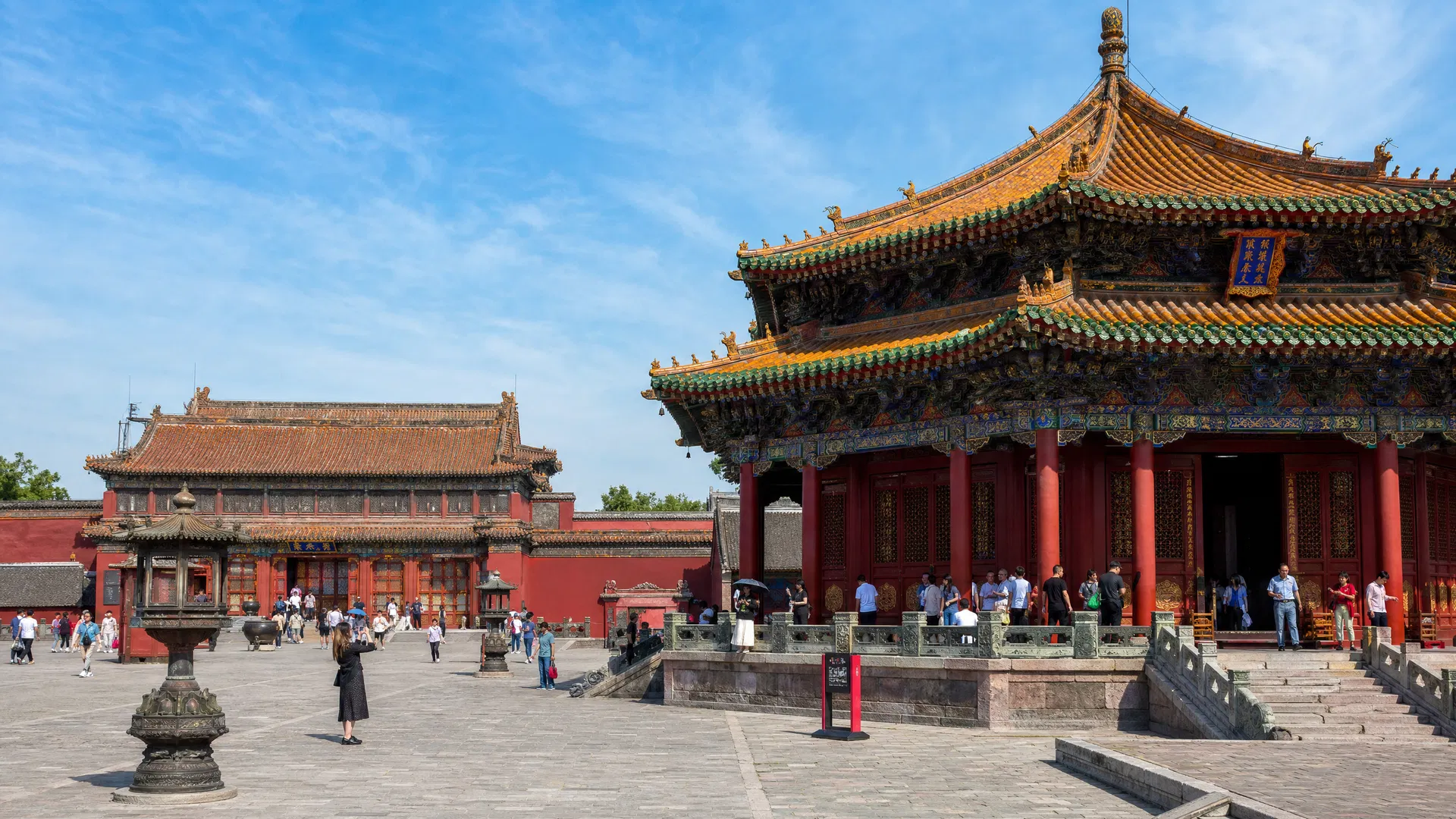
Shenyang Palace
Shenyang Palace (Mukden Palace) is the second most important imperial palace in China after the Forbidden City. Built in the 17th century, it served as the residence of the Manchu emperors before they unified China. The palace showcases a unique blend of Manchu and Chinese architectural styles, with intricate wooden carvings, traditional courtyards, and imperial chambers. It is now a UNESCO World Heritage Site and museum.
Highlights:
- Imperial architecture
- Manchu heritage
- Ornate decorations
- Historical significance
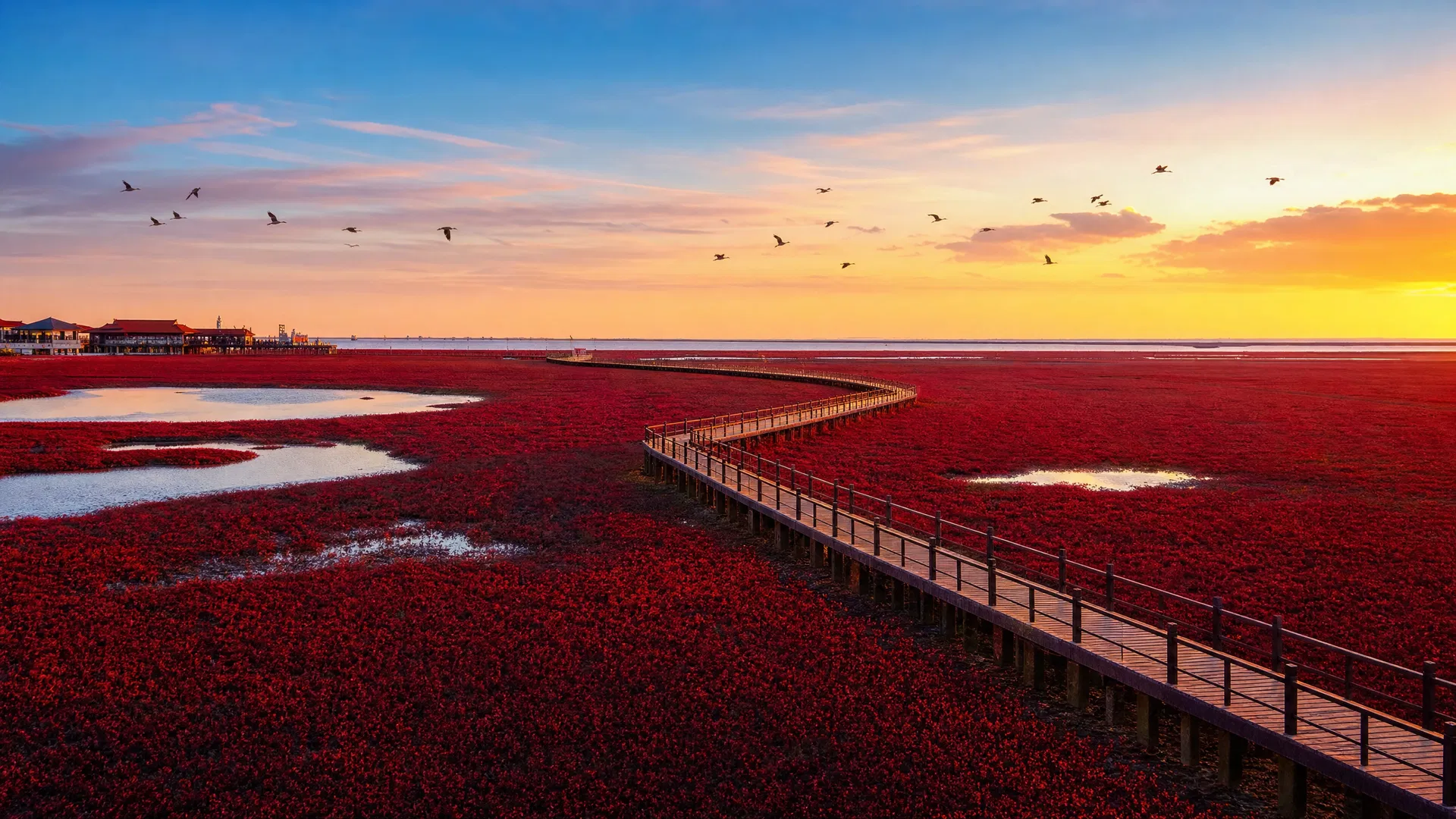
Panjin Red Beach
Panjin Red Beach is a unique natural wonder featuring vast wetlands covered with distinctive red seaweed. Located in northeastern China, this rare ecosystem is one of the few places in the world where such red-colored wetlands exist. The landscape transforms into a stunning red carpet during autumn, creating a surreal and breathtaking scenery. Visitors can explore the area via wooden boardwalks and experience this extraordinary natural phenomenon.
Highlights:
- Red seaweed wetlands
- Unique ecosystem
- Boardwalk trails
- Photography paradise
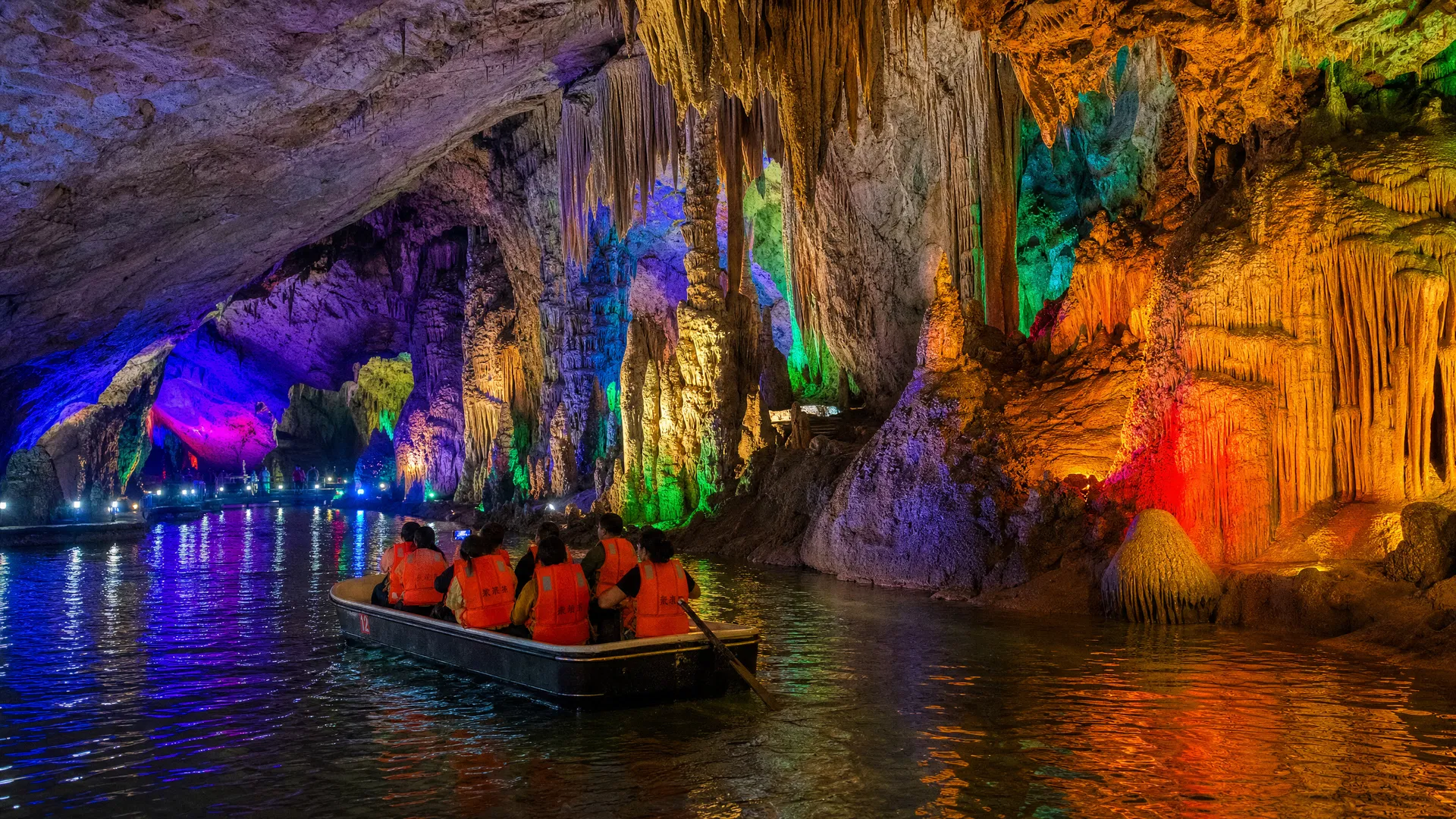
Benxi Water Cave
Benxi Water Cave is one of the largest underground cave systems in China, featuring spectacular stalactites, stalagmites, and an underground river. The cave is illuminated with colorful lighting that highlights the dramatic geological formations. Visitors can explore the cave by boat along the underground river, experiencing the natural beauty and geological wonders. The cave system extends for several kilometers and showcases millions of years of natural formation.
Highlights:
- Underground river
- Stalactites and stalagmites
- Boat tours
- Colorful cave formations
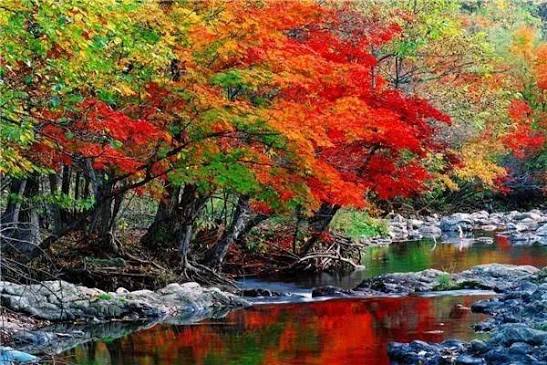
Guanmen Mountain
Guanmen Mountain (關門山) in Benxi, Liaoning, is a national forest park renowned for its dramatic autumn foliage, which transforms the mountain into a breathtaking canvas of crimson, gold, and amber each October. The park's name — 'Gate Mountain' — derives from two towering rock formations that frame the entrance to the valley like a pair of giant stone doors. Inside, a pristine mountain river winds through old-growth forest, past cascading waterfalls and ancient granite cliffs draped in maple and oak. Guanmen Mountain is consistently ranked among China's top ten autumn foliage destinations and is an essential addition to any Northeast China autumn tour itinerary.
Highlights:
- Top-10 autumn foliage destination
- Dramatic 'stone gate' rock formations
- Old-growth maple & oak forest
- Mountain river & waterfalls
Jinshitan National Holiday Resort
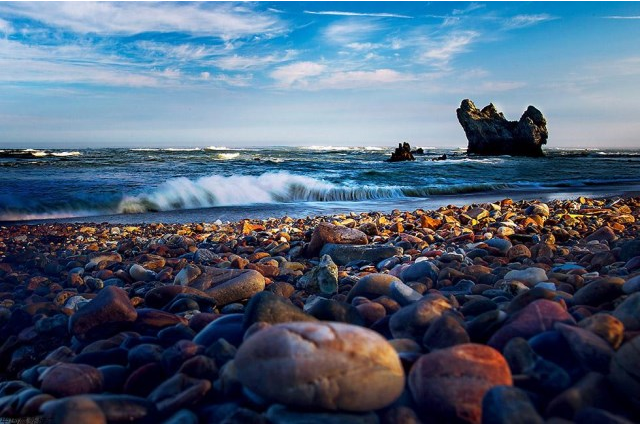
Jinshitan National Holiday Resort (金石灘國家旅遊度假區) in Dalian is one of China's premier coastal resort destinations, stretching along 30 kilometres of dramatic golden shoreline on the Bohai Sea. The resort is celebrated for its extraordinary geological park, where 600-million-year-old Precambrian rock formations have been sculpted by waves into fantastical shapes — earning it the nickname 'Geological Museum by the Sea.' Beyond its natural wonders, Jinshitan offers world-class leisure facilities including golf courses, luxury hotels, an amusement park, and China's largest underwater world, making it an ideal destination for MICE incentive programmes and premium leisure groups seeking a sophisticated coastal experience in Northeast China.
Highlights:
- 600-million-year-old geological park
- 30km golden coastline
- World-class MICE resort facilities
- China's largest underwater world
B2B Travel Information: Liaoning
Overview for Travel Agencies
Liaoning Province in Northeast China offers travel agencies a compelling combination of imperial history, unique natural landscapes, and authentic Manchu cultural heritage. From the Shenyang Imperial Palace — a UNESCO World Heritage Site and the only surviving imperial palace outside Beijing — to the otherworldly red beaches of Panjin and the underground wonders of Benxi Water Cave, Liaoning rewards adventurous travel agencies seeking distinctive Chinese experiences.
Group Size & Duration
Ideal for groups of 8–35 pax. Recommended tour duration: 3–4 days in Liaoning, with Shenyang as the base for exploring the Imperial Palace, Panjin Red Beach, and Benxi Water Cave.
Logistics & Connectivity
Served by Shenyang Taoxian International Airport (SHE). High-speed rail connects Shenyang to Beijing (2.5 hrs) and Harbin (2 hrs). Good range of international hotels in Shenyang city centre.
Signature Experience
The Panjin Red Beach in autumn — when the Suaeda salsa plants turn a vivid crimson, creating a surreal red carpet stretching to the horizon — is one of China's most extraordinary natural colour spectacles, unique to Liaoning Province.
FancyChinatour B2B Service Highlight
FancyChinatour coordinates Shenyang Imperial Palace expert tours, Panjin Red Beach seasonal visits, and Benxi Water Cave group experiences for international travel agency groups exploring Northeast China.
Liaoning Manchu imperial heritage and Northeast seasonal route planning
Liaoning should be scoped as a Northeast heritage-and-landscape programme with Shenyang's imperial history, regional Manchu context and optional seasonal nature treated as separate planning layers. A travel-agency brief should set the balance between palace heritage, provincial movement and seasonal interest before checking local access, hotels, transport and final inclusions in the written proposal.
- Decide whether imperial heritage, Manchu interpretation or seasonal nature is the primary product focus before routing the provincial days.
- Set Shenyang's base role and group pace before adding outlying landscape or regional cultural components.
- Share travel window, group size, guide language, hotel and mobility preferences; local access, conditions and final scope are confirmed in the written proposal.
Shenyang Imperial Palace seasonal heritage-visit planning reference
This source-aware reference helps agencies distinguish the palace’s documented heritage role from published seasonal hours and time-limited holiday arrangements. It is not a guarantee of admission, reservation, exhibition, night opening, route access or group-service availability.
Published seasonal calendar — source checked 5 October 2026
The museum’s official site displays 10 April–10 October hours of 08:30–17:00 with last entry at 16:15, and 11 October–9 April hours of 09:00–16:30 with last entry at 15:45; it also states Monday closure except statutory holidays. Treat this as a dated source check, not as confirmation for a travel date.
1–7 October 2026 — time-limited National Day arrangement
A 27 September 2026 official notice set special National Day hours and announced night-opening arrangements for 2–6 October, including distinct reservation periods and limited night-opening areas. It applies only to the stated holiday dates and must not be reused as an ordinary opening, reservation or access promise.
Heritage interpretation — source dated 15 October 2025
A Liaoning provincial cultural-tourism profile records the palace’s 1625 foundation, 114 Qing-era buildings, 2004 World Heritage inscription and first-tier museum status. Use that verified context to frame a Manchu imperial interpretation, while checking the museum’s latest rules before confirming any visit format.
Official sources
Museum hours, reservations, closures, exhibitions, visitor routes and group arrangements can change. Check the latest Shenyang Imperial Palace notice before quotation; local access, guide allocation, transport and all final inclusions are confirmed only in the written proposal.
Liaoning within a Northeast heritage and seasonal landscape programme
These links position Liaoning's Manchu imperial heritage alongside Beijing's capital context, Harbin's Northeast city gateway and Changbai Mountain's seasonal landscape role. They clarify product distinctions rather than a fixed transport pattern; actual sequence, access and final inclusions are confirmed in the written proposal.
Frequently Asked Questions about Liaoning
What are the top destinations in Liaoning Province?
Liaoning Province offers a diverse range of attractions. Shenyang, the provincial capital, features the Shenyang Imperial Palace (a UNESCO World Heritage Site and the only imperial palace outside Beijing), the Zhaoling and Fuling Mausoleums of the Qing dynasty founders, and the September 18th History Museum. Dalian is a modern coastal city with beautiful beaches, European-influenced architecture, and excellent seafood. Benxi Water Cave is one of Asia's longest underground water caves.
What is the best time to visit Liaoning Province?
Spring (April–May) and autumn (September–October) are the best seasons for Liaoning, with mild temperatures and beautiful foliage. Summer (June–August) is warm and ideal for Dalian's beaches. Winter (November–February) is cold but offers the spectacular Shenyang Ice Lantern Festival and winter sports at local ski resorts. The Dalian International Beer Festival in August is a popular summer event.
What is the historical significance of Shenyang in Chinese history?
Shenyang (formerly Mukden) was the original capital of the Manchu Qing dynasty before the conquest of Beijing in 1644. The Shenyang Imperial Palace (Mukden Palace), built between 1625 and 1636, is a UNESCO World Heritage Site and the best-preserved imperial palace outside Beijing. The city also holds significant 20th-century history as the site of the Mukden Incident (1931), which triggered Japan's invasion of Manchuria and is commemorated at the September 18th History Museum.
Request a Quote
Get a personalized quote for your group travel to Liaoning
Travel-agency enquiries
Established
Published destination profiles