Hohhot

Hohhot

呼和浩特

Overview

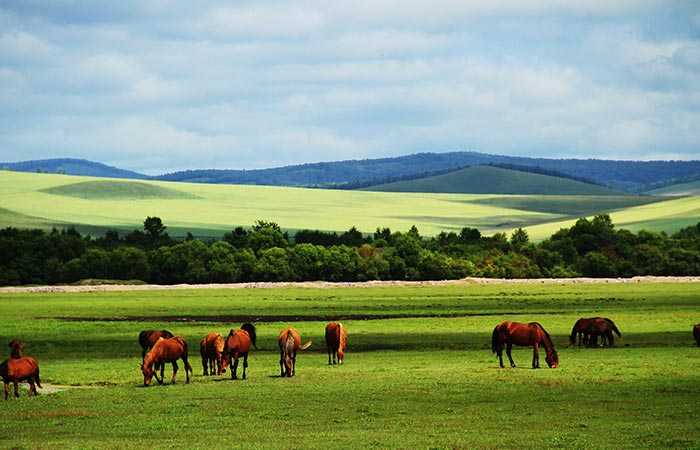
Capital of Inner Mongolia, gateway to grasslands and authentic nomadic culture, adjacent to the Xilamu Grassland; visitors can explore the volcanic landscape of Ulanqada Volcano.

Best Season

Summer & Fall

Region

Northwest China

Quick Facts

Best Season

Summer & Fall

Region

Northwest China

Must-Visit Attractions

Inner Mongolia Museum
1

Inner Mongolia Museum

The Inner Mongolia Museum in Hohhot offers a captivating journey through the region's rich history and diverse nomadic cultures, including the Huns and Xianbei. Housing over 200,000 artifacts, it showcases everything from ancient dinosaur fossils and exquisite gold ornaments to Han Dynasty relics. International tour groups will appreciate the museum's modern digital presentations and AI holographic guides, providing an immersive and educational experience into Inner Mongolia's unique heritage and cultural exchanges.

Highlights:

  • Nomadic Culture Hub
  • Dinosaur Fossils
  • Ancient Gold Ornaments
  • AI Holographic Guides
響沙灣 (Xiangshawan)
2

響沙灣 (Xiangshawan)

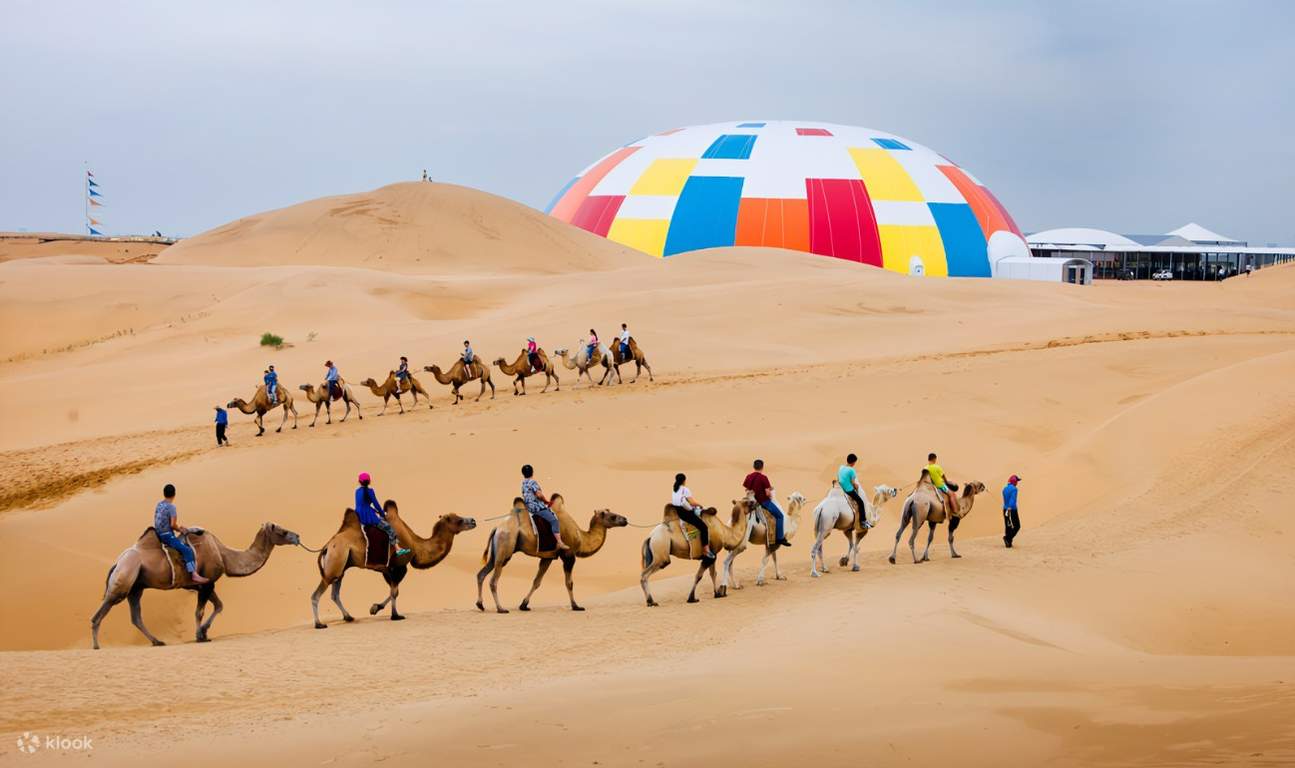
Xiangshawan (響沙灣), meaning 'Resonant Sand Bay,' is Inner Mongolia's premier desert resort destination, a spectacular crescent of golden singing sand dunes rising 110 metres above the Kubuqi Desert, just 70 kilometres from Hohhot. The dunes produce a mysterious humming sound when disturbed — caused by the unique shape and size of the sand grains — that has fascinated visitors for centuries. The resort offers an extraordinary range of desert activities including camel trekking, sandboarding, dune buggies, zip-lining across the dunes, and a luxury desert hotel with floor-to-ceiling dune views. Xiangshawan is one of the most accessible desert experiences in China and a consistently popular MICE incentive destination for international groups.

Highlights:

  • Singing sand dunes
  • 110m golden dune crescent
  • Camel trekking & sandboarding
  • Premium desert MICE resort
Ulan Hada Volcano
3

Ulan Hada Volcano

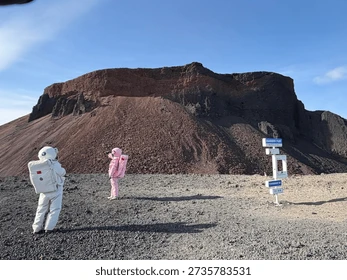
Ulan Hada Volcano (烏蘭哈達火山) is one of China's youngest and most geologically active volcanic fields, located about 100 kilometres north of Hohhot on the Inner Mongolian plateau. The site comprises 17 volcanic cones of varying ages, the youngest of which erupted only 2,000–3,000 years ago, leaving behind a dramatic landscape of black basalt lava flows, perfectly preserved cinder cones, and lava tube caves that stretch for kilometres underground. Walking across the hardened lava fields under the vast Mongolian sky, with the symmetrical volcanic cones rising from the grassland horizon, offers international visitors a rare encounter with raw geological power and one of China's most unusual and photogenic natural landscapes.

Highlights:

  • 17 volcanic cones
  • 2,000-year-old lava flows
  • Lava tube cave exploration
  • Dramatic basalt landscape
Huanghuagou Scenic Area
4

Huanghuagou Scenic Area

Huanghuagou Scenic Area (黃花溝) is a hidden alpine gem in the Daqing Mountains north of Hohhot, a valley of extraordinary natural beauty where wildflower meadows, ancient larch forests, crystal-clear mountain streams, and dramatic granite cliffs converge in a landscape that feels worlds away from the surrounding steppe. The valley is particularly spectacular in summer when the slopes are carpeted in yellow daylilies (黃花) — the source of its name — and in autumn when the larch forests turn brilliant gold. The scenic area offers a network of hiking and horse-trekking trails, traditional Mongolian yurt camps, and opportunities for fly-fishing and wildlife observation, making it an ideal destination for nature-focused groups and travellers seeking a quieter, more authentic Inner Mongolian experience beyond the well-trodden grassland circuit.

Highlights:

  • Summer wildflower meadows
  • Alpine larch forest
  • Horse-trekking & fly-fishing
  • Authentic yurt camp stays
Xilamuren Grassland
5

Xilamuren Grassland

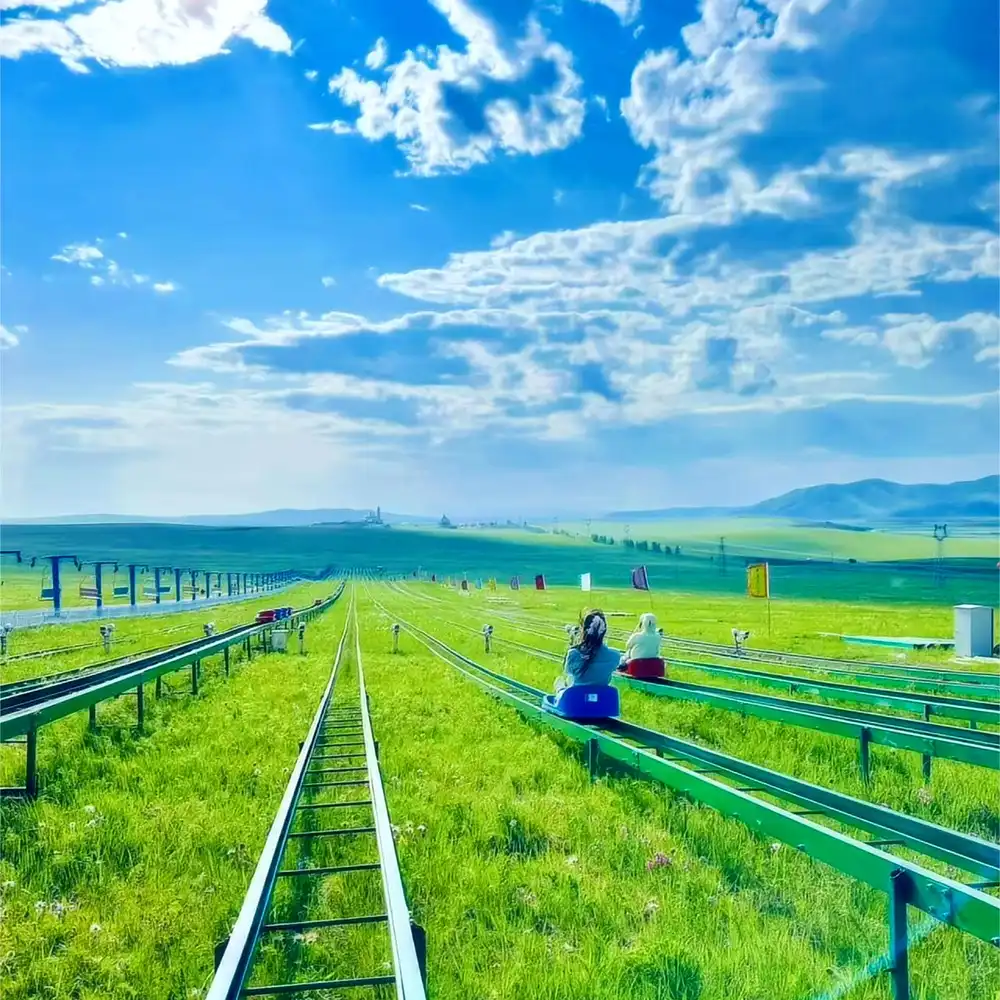
Xilamuren Grassland is the closest and most accessible natural grassland to Hohhot, offering an authentic glimpse into Inner Mongolia's vast steppe scenery and nomadic culture. Visitors can immerse themselves in traditional Mongolian activities such as horseback riding, experiencing yurt stays, and participating in lively bonfire parties. The grassland is also home to the historic Puhui Temple, adding a spiritual dimension to the natural beauty. It's an ideal destination for those seeking a unique cultural and nature-filled adventure.

Highlights:

  • Vast grasslands
  • Nomadic culture
  • Horseback riding
  • Bonfire parties

B2B Travel Information: Hohhot

Overview for Travel Agencies

Hohhot is the capital of Inner Mongolia and the gateway to one of China's most dramatic landscapes — the vast Mongolian grasslands that stretch to the horizon under enormous skies. Travel agencies seeking authentic nomadic culture experiences, horseback riding on the steppe, and traditional Mongolian hospitality consistently find Hohhot an exceptional destination for international groups.

Group Size & Duration

Ideal for groups of 8–35 pax. Recommended tour duration: 3–4 days, including 1–2 nights in a traditional Mongolian yurt camp on the Xilamu Grassland.

Logistics & Connectivity

Served by Hohhot Baita International Airport (HET). High-speed rail connects Hohhot to Beijing (2.5 hrs) and Datong (1 hr). Grassland camps are 2–3 hours from the city; FancyChinatour coordinates all ground transport.

Signature Experience

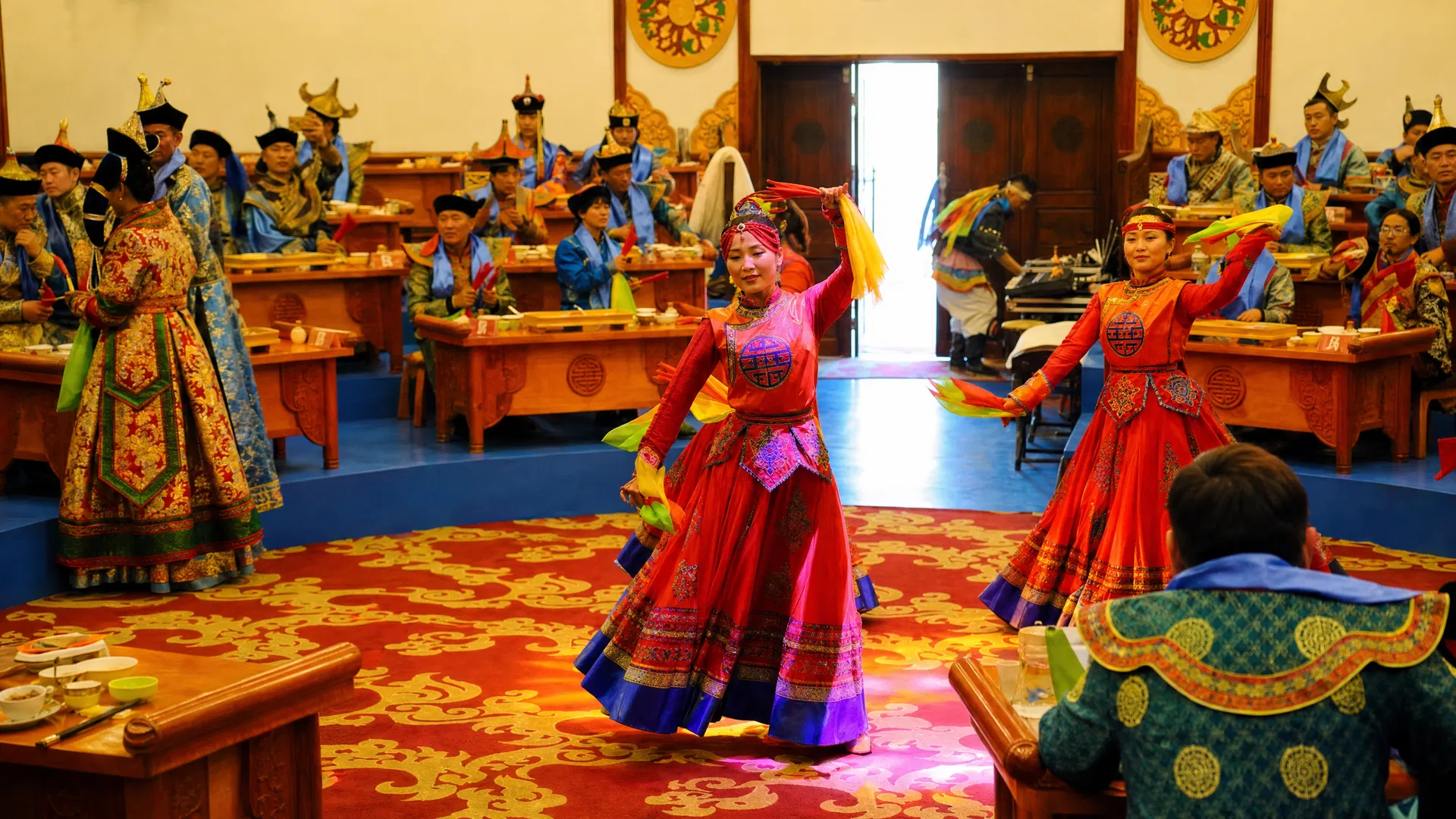
A night in a traditional Mongolian yurt on the Xilamu Grassland — with a sunset horseback ride across the steppe, a traditional Mongolian barbecue dinner with airag (fermented mare's milk), and a dawn awakening to the sound of larks over the endless grassland.

FancyChinatour B2B Service Highlight

FancyChinatour designs authentic Inner Mongolia grassland experiences, including yurt camp accommodation, horseback riding programmes, and traditional Mongolian cultural performances for international travel agency groups.

Hohhot city-and-steppe programme planning for travel agencies

Hohhot is most useful as a city-and-steppe gateway: museum and temple interpretation, grassland movement and nomadic cultural experiences require different pacing and group expectations. An agency brief should distinguish the city base from the grassland segment, define seasonal comfort and vehicle needs, and confirm access, programme timing and final inclusions in writing.

  • Distinguish city-based museum or temple time from the grassland segment before setting a daily programme.
  • Share group size, outdoor-comfort expectations, vehicle needs and overnight preference for the grassland portion.
  • Identify any Beijing, Datong or Ningxia extension; availability, access conditions and final service scope are confirmed in writing.

Representative agency planning scenario: city base, steppe rhythm and northern heritage comparison

This representative planning scenario illustrates the questions used to shape a Hohhot enquiry. It is not a client testimonial, confirmed booking or guarantee of grassland access, activities, transport or seasonal conditions.

Agency brief

A Northern China programme that needs a balanced Hohhot city base, cultural interpretation and an outdoor grassland component at a realistic group pace.

Product question

Should the agency add a Datong heritage segment, compare Beijing as a capital gateway, or keep Hohhot as a focused city-and-steppe programme?

Working brief

Travel window, group size, outdoor-comfort profile, mobility, usable nights, hotel preference, guide language and desired cultural depth supplied before quotation.

Planning decisions illustrated

  • Separate city interpretation, outdoor movement and recovery time rather than assuming a standard city-to-steppe daily pattern.
  • Use Datong and Beijing as distinct product-comparison roles, not fixed transfer commitments.
  • Confirm grassland access, activities, vehicles, accommodation, local conditions and final inclusions only in the written proposal.

Grassland access, activity arrangements, transport, accommodation, local conditions and all final service terms are confirmed only in the written proposal.

Hohhot official-source seasonal programme-planning reference

These dated municipal references help agencies frame Hohhot's city culture, grassland context and Yellow River heritage by season without treating a past festival, special bus or winter activity as a current operating commitment. They support a current-notice check before quotation, not a promise of access, transport, events, landscapes, accommodation or capacity.

19 April–5 May 2025 — historic flower-viewing programme

The Municipal Culture, Tourism, Radio and Television Bureau recorded a 2025 flower-viewing season with two temporary city bus products for those dates. The programme dates have passed and are not a current route, frequency, fare, group-allocation or city-access promise; use them only as a reminder to verify the selected window's official notice.

November 2024–March 2025 — historic winter programme

A 6 December 2024 municipal article described an ice-and-snow campaign running during the stated November 2024–March 2025 period. That winter programme has ended and must not be treated as current snow, event, ski, transport, reservation or group-service availability.

4 August 2025 — four-season product-design policy reference

The municipal development opinion describes a four-season cultural-tourism direction, including seasonally appropriate product concepts and themed route categories. It is policy context rather than an attraction timetable, event notice or operating confirmation, so agencies should use it to frame priorities and then check current official notices.

Check the latest official notice for the selected travel window. Historic event and policy references are not current guarantees of grassland access, transport, seasonal landscapes, activities, accommodation, reservations, local conditions or supplier capacity; all final arrangements and inclusions are confirmed only in the written proposal.

Hohhot's city-and-steppe programme and Yili's seasonal Xinjiang valley programme should be compared as different grassland-culture products, not as a single linked itinerary. Agencies can use season, outdoor pace and cultural priorities to choose the right role; conditions and inclusions are confirmed in writing.

Yili and Hohhot grassland culture planning comparisonDifferentiates a Xinjiang valley culture programme from an Inner Mongolia city-and-steppe context.

Hohhot's city-and-steppe programme and Hailar's Hulun Buir grassland setting should be planned as different northern grassland products, not as a fixed intercity sequence. Agencies can compare season, outdoor rhythm, cultural emphasis, usable nights and group mobility before quotation; access, road conditions, transport, accommodation and final inclusions are confirmed in the written proposal.

Hohhot and Hailar grassland culture programme comparisonCompares a city-and-steppe programme with a separately paced Hulun Buir grassland and photography setting.

Use these pages to distinguish a city-and-steppe programme from a northern heritage or Northwest landscape extension. The right combination depends on the group's season, outdoor comfort, city base and onward-routing needs; access, resource availability and final scope are confirmed in writing.

Recommended Connectable Destinations

Coach
Datong~4.5 hrs
Baotou~4.7 hrs
Taiyuan~6 hrs
Ordos~3 hrs
High-Speed Rail
Beijing~2.2 hrs
Datong~1.5 hrs
Baotou~1 hr
Tianjin~4.75 hrs
Taiyuan~3.3 hrs
Ordos~1.5 hrs
B2B operational Field Notes

Hohhot: group-planning summary

Hohhot planning should clarify the city base, outdoor comfort and the role of any North China extension before a quotation is prepared. This note identifies the group information needed to assess a city-and-steppe programme without assuming grassland access, activity availability or a standard route pattern.

Key group-planning checkpoints

  1. Separate city and steppe priorities

    Identify the role of museum or temple interpretation, city time, outdoor landscape time and any cultural activity before drafting a daily sequence. This keeps the programme aligned with the group’s actual product priorities.

    Key details to include
    • Rank city culture, outdoor landscape and activity priorities.
    • State the preferred balance between interpretation, movement and rest.
    • Flag any essential or optional element at enquiry stage.
  2. Define outdoor comfort and group movement

    Provide group size, mobility profile, outdoor-duration tolerance, rooming expectations and any accessible-travel requirements before the grassland component is shaped. The proposal can then assess conditions and an appropriate pace for the selected window.

    Key details to include
    • Share group size, mobility and rest requirements.
    • Describe outdoor-comfort and weather-tolerance expectations.
    • Include hotel, meal, vehicle and guide-language preferences.
  3. Frame Datong and Beijing as product roles

    State whether Datong’s Buddhist art and northern heritage, or Beijing’s capital gateway role, is relevant to the brief. These comparisons help scope a North China product; they do not confirm a transfer, attraction arrangement or final routing.

    Key details to include
    • Identify any Datong, Beijing or Ningxia comparison need.
    • State usable nights and the desired extension role.
    • Confirm access, local arrangements and final inclusions in the written proposal.

For travel agencies

Hohhot B2B city-and-steppe planning questions

These agency questions clarify the product brief before a Hohhot quotation is prepared. Seasonal conditions, access, transport, activities and final inclusions are confirmed only in the written proposal.

How should an agency frame Hohhot's city culture and grassland elements in one group brief?

Start by ranking museum or temple interpretation, outdoor landscape time, cultural activity and recovery needs rather than assuming a standard city-to-steppe day. The selected window, group mobility, local access, vehicles and final pacing are checked and confirmed only in the written proposal.

Can historic spring or winter notices be used to confirm a current seasonal programme?

No. Dated municipal notices are useful planning context but do not confirm a current event, bus, ice-and-snow activity, attraction opening or capacity. Check the latest official notice for the requested dates; any workable arrangement is confirmed only in the written proposal.

When should Datong, Beijing or Ningxia be included in the product conversation?

Use them as distinct heritage, gateway or frontier-culture comparison roles once the agency has defined usable nights and its preferred programme balance. They are not fixed transfer commitments; routing, availability, access and final inclusions are confirmed only in the written proposal.

Frequently Asked Questions about Hohhot

What is the best time to visit Hohhot and Inner Mongolia?

June to September is the best time to visit Hohhot and the surrounding Inner Mongolia grasslands, when the grass is lush and green, temperatures are comfortable, and Mongolian cultural festivals are in full swing. The Naadam Festival (July–August) features traditional Mongolian wrestling, horse racing, and archery. Autumn (September–October) offers golden grasslands. Winter is extremely cold but offers a unique snow-covered steppe experience.

What grassland experiences are available near Hohhot?

Hohhot is the gateway to Inner Mongolia's vast grasslands. The most accessible grassland areas include Xilamuren Grassland (90 minutes from Hohhot), Gegentala Grassland (3 hours), and the more remote Hulunbuir Grassland (accessible by flight). Experiences include horse riding, camel riding, staying in traditional Mongolian gers (yurts), attending Mongolian cultural performances with traditional music and dance, and participating in a Mongolian barbecue feast. FancyChinatour arranges all-inclusive grassland packages.

What cultural heritage sites are worth visiting in Hohhot?

Hohhot's cultural heritage reflects its unique position as the meeting point of Han Chinese and Mongolian cultures. Key sites include the Dazhao Temple (a 16th-century Tibetan Buddhist temple with a silver Buddha), the Five Pagoda Temple (Wuta Si, featuring intricate Sanskrit carvings), the Inner Mongolia Museum (with outstanding exhibits on Mongolian culture and dinosaur fossils), and the Zhaojun Tomb (the burial site of Wang Zhaojun, a Han dynasty princess who married a Xiongnu chieftain to forge peace).

Request a Quote

Get a personalized quote for your group travel to Hohhot

Other ways to contact us:

loven@cnfancytours.com
Shanghai, China
B2B

Travel-agency enquiries

2009

Established

45

Published destination profiles

Ready to Explore Hohhot?

Contact us today to plan your perfect trip to Hohhot