Ningxia
寧夏
Must-Visit Attractions
Helan Mountains
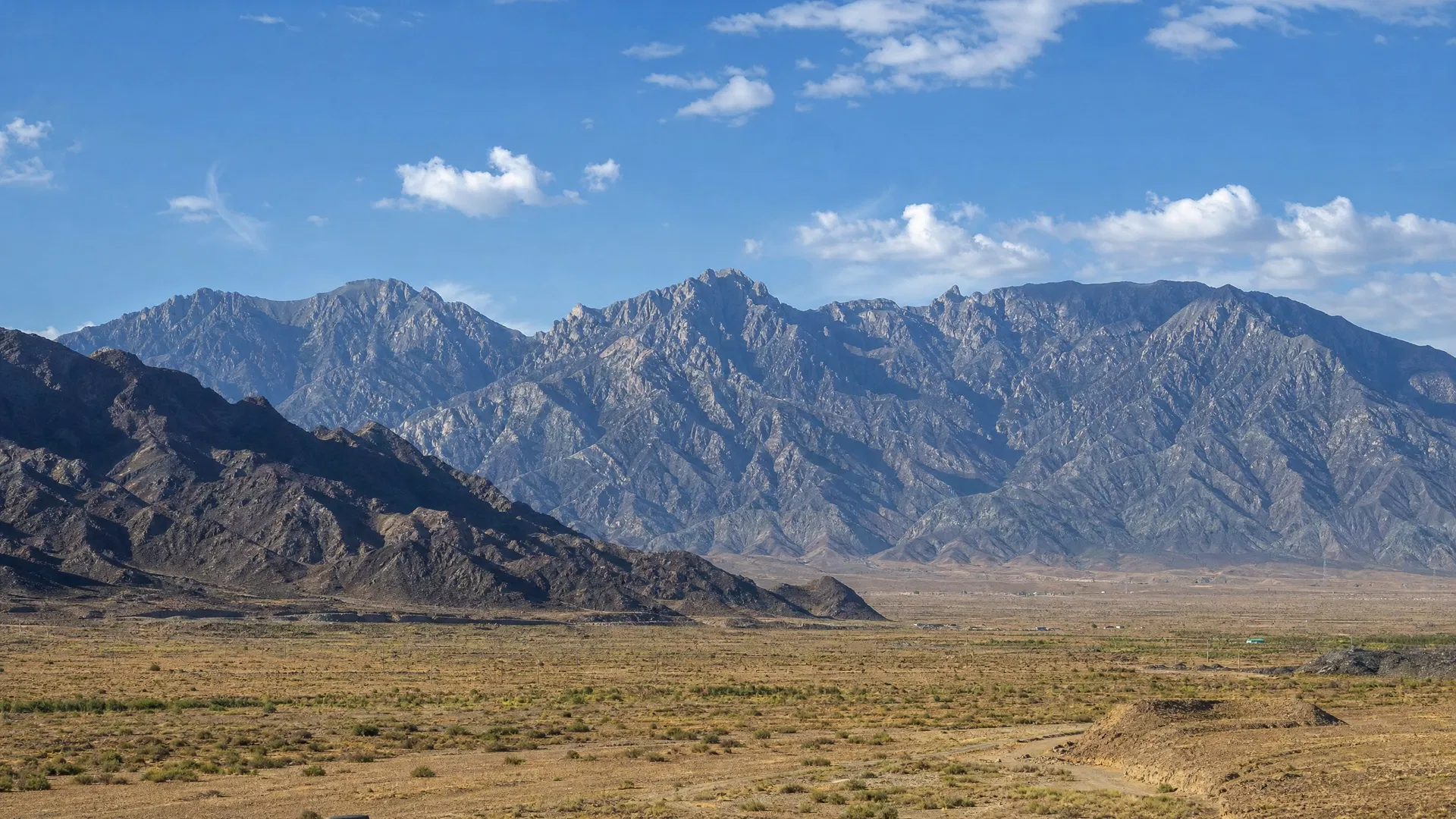
Helan Mountains is a dramatic mountain range featuring stunning natural scenery with towering peaks, scenic valleys, and diverse ecosystems. The mountains offer breathtaking views and are a popular destination for hiking and photography. The area showcases the raw beauty of nature with its rugged landscape and unique geological formations.
Highlights:
- Dramatic peaks
- Scenic valleys
- Hiking trails
- Photography spots
Shapotou Desert
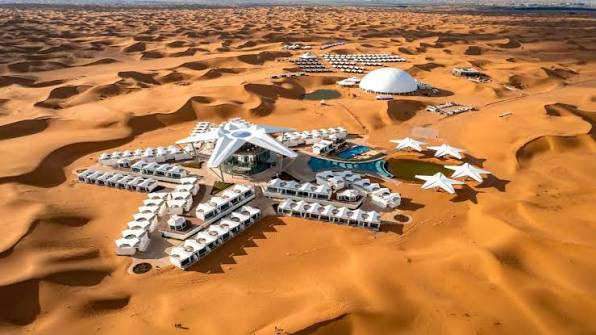
Shapotou is a stunning desert scenic area featuring golden sand dunes, the Yellow River, and adventure activities. Visitors can experience camel rides across the desert, sandboarding, and enjoying the unique desert landscape. The area offers a perfect blend of desert adventure and natural beauty with the contrast of the flowing Yellow River against the vast sand dunes.
Highlights:
- Sand dunes
- Yellow River
- Camel rides
- Desert adventure
Western Xia Mausoleums
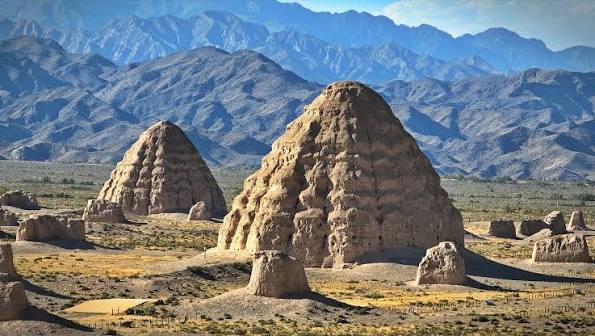
The Western Xia Mausoleums (Xixia Wangling) are the imperial tombs of the Western Xia dynasty (1038–1227), located at the eastern foot of the Helan Mountains. Often called the 'Oriental Pyramids,' these nine royal mausoleums and over 250 accompanying tombs span a vast area and represent one of China's most significant archaeological sites. The unique rammed-earth tomb towers rising from the desert landscape create a hauntingly beautiful scene that tells the story of a lost civilization.
Highlights:
- Oriental Pyramids
- Western Xia Dynasty
- Archaeological Site
- Helan Mountain Backdrop
Zhenbeipu Western Film Studio
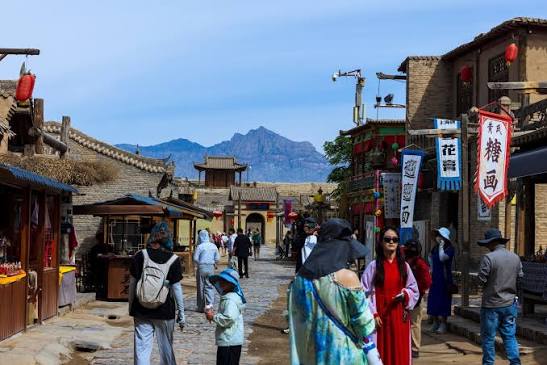
Step into the cinematic world of China's Hollywood in the East. This unique film studio, built on ancient castle relics, offers a captivating journey through recreated Ming and Qing Dynasty towns. Explore iconic film sets, immerse yourself in traditional Chinese culture, and capture stunning photos amidst the rustic desert landscapes. A must-visit for film enthusiasts and those seeking a blend of history and entertainment.
Highlights:
- Historic Film Sets
- Ming & Qing Dynasty Towns
- Desert Landscape
- Cultural Immersion
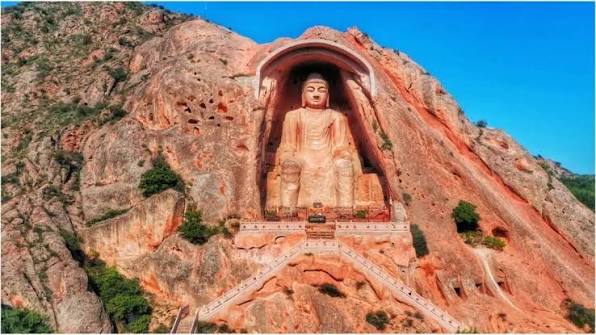
Xumishan Grottoes
Discover the ancient Buddhist art and spiritual heritage of the Xumishan Grottoes, a UNESCO World Heritage Site. Carved into the red sandstone cliffs, these grottoes house over 130 caves and more than 500 well-preserved Buddha statues, dating back over 1,500 years. Witness colossal Buddha figures and intricate carvings that reflect centuries of artistic devotion along the historic Silk Road.
Highlights:
- Buddhist Cave Temples
- Ancient Carvings
- Colossal Buddha Statues
- Silk Road Heritage
B2B Travel Information: Ningxia
Overview for Travel Agencies
Ningxia Hui Autonomous Region is one of China's most distinctive destinations, where the Yellow River meets the Tengger Desert and the Helan Mountains preserve the mysterious ruins of the Western Xia Kingdom. Travel agencies seeking China's most dramatic desert landscapes, Islamic cultural heritage, and unique Silk Road history find Ningxia an exceptional off-the-beaten-path destination.
Group Size & Duration
Ideal for groups of 8–30 pax. Recommended tour duration: 3–4 days in Ningxia, typically combined with Xi'an (2 hrs by high-speed rail) or Lanzhou (2 hrs) for a Silk Road circuit.
Logistics & Connectivity
Served by Yinchuan Hedong International Airport (INC). High-speed rail connects Yinchuan to Xi'an (2 hrs) and Lanzhou (2 hrs). Desert camp accommodation at Shapotou offers unique overnight experiences.
Signature Experience
A sunset camel ride over the Shapotou sand dunes to the edge of the Yellow River — watching the sky turn crimson over the desert as the river glints gold below — followed by a night in a desert camp under a sky blazing with stars.
FancyChinatour B2B Service Highlight
FancyChinatour arranges Shapotou Desert camel experiences, Western Xia Mausoleum expert historical tours, and Yellow River rafting on traditional sheepskin rafts for international travel agency groups visiting Ningxia.
Ningxia Yellow River, Western Xia and desert-culture group planning
Ningxia works best as a distinct Northwest programme where Yellow River landscape, Western Xia interpretation, Hui cultural context and desert outdoor time are separate design choices. Before quotation, agencies should set the heritage depth, outdoor-comfort profile, usable nights, city-base needs and whether an onward Northwest comparison is relevant. Access, activity conditions, transport, accommodation, supplier availability and final inclusions are confirmed only in the written proposal.
- Separate Yellow River, Western Xia and desert-outdoor priorities so the group brief does not treat them as interchangeable experiences.
- Set outdoor-comfort expectations, walking and sun exposure, cultural interpretation depth and usable nights before scheduling activity time.
- Clarify whether Ningxia is a focused destination or a comparison point beside Xi'an, Hohhot or Dunhuang; confirm operating conditions in the written proposal.
Representative agency planning scenario: Ningxia heritage and desert-comfort balance
This is an illustrative planning scenario, not a published client testimonial or a confirmed booking outcome.
Programme question
How can a cultural-and-outdoor group compare Yellow River landscape, Western Xia interpretation and desert time without treating the three as interchangeable stops?
Planning distinction
Separate arrival or city-base needs, heritage interpretation, Yellow River landscape time and desert outdoor comfort before defining the number of usable nights.
Information requested
Dates, group size, walking and sun-exposure comfort, heritage depth, photography interest, hotel expectations and guide language.
Planning decisions illustrated
- Set the required heritage depth before assigning activity time to Yellow River or desert components.
- Use the group’s outdoor-comfort and mobility profile to define a realistic daily rhythm rather than assuming a standard desert schedule.
- Confirm current access, activity conditions, transport, accommodation, guide allocation and final inclusions in the written proposal.
This scenario guides an enquiry discussion only. Access, timing, activity conditions, transport, accommodation and all final service terms are confirmed in the written proposal.
Ningxia and Dunhuang desert-and-heritage programme comparison
Ningxia’s Yellow River, Western Xia and desert context offers a different route-design role from Dunhuang’s Mogao Caves, oasis and Silk Road interpretation. Agencies can compare heritage emphasis, outdoor comfort, usable nights and group pace before choosing either section; access, activity conditions, transport, accommodation and final inclusions are confirmed in the written proposal.
Dunhuang and Ningxia desert-and-heritage route designCompares Western Xia and Yellow River context with Dunhuang’s Silk Road Buddhist-art and oasis-desert programme role.Ningxia and Xi'an Northwest heritage programme comparison
Ningxia's Yellow River, Western Xia and desert-cultural programme differs from Xi'an's ancient-capital archaeology and walled-city heritage role. Agencies can compare interpretation depth, outdoor rhythm, usable nights and group movement before deciding which section belongs in a wider brief; access, transport, accommodation and final inclusions are confirmed in the written proposal.
Xi'an and Ningxia heritage-depth programme planningFrames ancient-capital archaeology and Yellow River–Western Xia context as distinct cultural programme roles.Ningxia and Hohhot northern frontier cultural comparison
Ningxia's Yellow River and desert-cultural setting can be compared with Hohhot's city-and-steppe programme without presenting a fixed intercity route. Agencies should define cultural emphasis, outdoor comfort, usable nights and group movement before quotation; current access, transport, accommodation and final inclusions are confirmed in the written proposal.
Hohhot and Ningxia northern frontier cultural routeCompares city-and-steppe culture with Yellow River, Western Xia and desert programme priorities.Compare Yellow River, frontier heritage and Northwest desert programme roles
These pages help agencies distinguish Ningxia's Yellow River, Western Xia and desert-cultural role from Xi'an's ancient-capital heritage, Hohhot's city-and-steppe setting and Dunhuang's Silk Road oasis heritage. They are planning comparisons rather than a promised routing sequence; travel window, access, transport, accommodation and final inclusions are confirmed in the written proposal.
Frequently Asked Questions about Ningxia
What is the best time to visit Ningxia?
Spring (April–May) and autumn (September–October) are the best seasons to visit Ningxia, with mild temperatures and comfortable conditions for exploring the Helan Mountains and the Western Xia Mausoleum. Summer (June–August) is warm and the grape harvest season in the Helan Mountain wine region. Winter (November–February) is cold but the Shapotou Desert offers a unique winter landscape. The Zhongwei Camel Racing Festival in autumn is a popular cultural event.
What are the Western Xia Mausoleums and why are they significant?
The Western Xia Mausoleums (Xixia Wangling) are the imperial tombs of the Western Xia Kingdom (1038–1227 CE), a Tangut state that controlled the Silk Road for nearly 200 years before being destroyed by Genghis Khan. The site features nine imperial mausoleums and 253 subsidiary tombs spread across 50 square kilometres at the foot of the Helan Mountains. The distinctive earthen tomb towers, resembling inverted Buddhist stupas, are unlike any other imperial tombs in China and represent a unique architectural tradition.
What is the Shapotou Desert experience in Ningxia?
Shapotou Scenic Area at the edge of the Tengger Desert is one of Ningxia's most popular attractions, offering a dramatic landscape where the Yellow River meets the desert. Activities include camel riding on the sand dunes, sand skiing, river rafting on traditional sheepskin rafts (yangpi fa zi), and visiting the innovative sand fixation project that transformed desert into farmland. The site is also significant for its research into desertification control. FancyChinatour arranges day trips and overnight desert camping experiences at Shapotou.
Request a Quote
Get a personalized quote for your group travel to Ningxia
Travel-agency enquiries
Established
Published destination profiles