Tianjin
天津
Must-Visit Attractions
Tianjin Eye Ferris Wheel
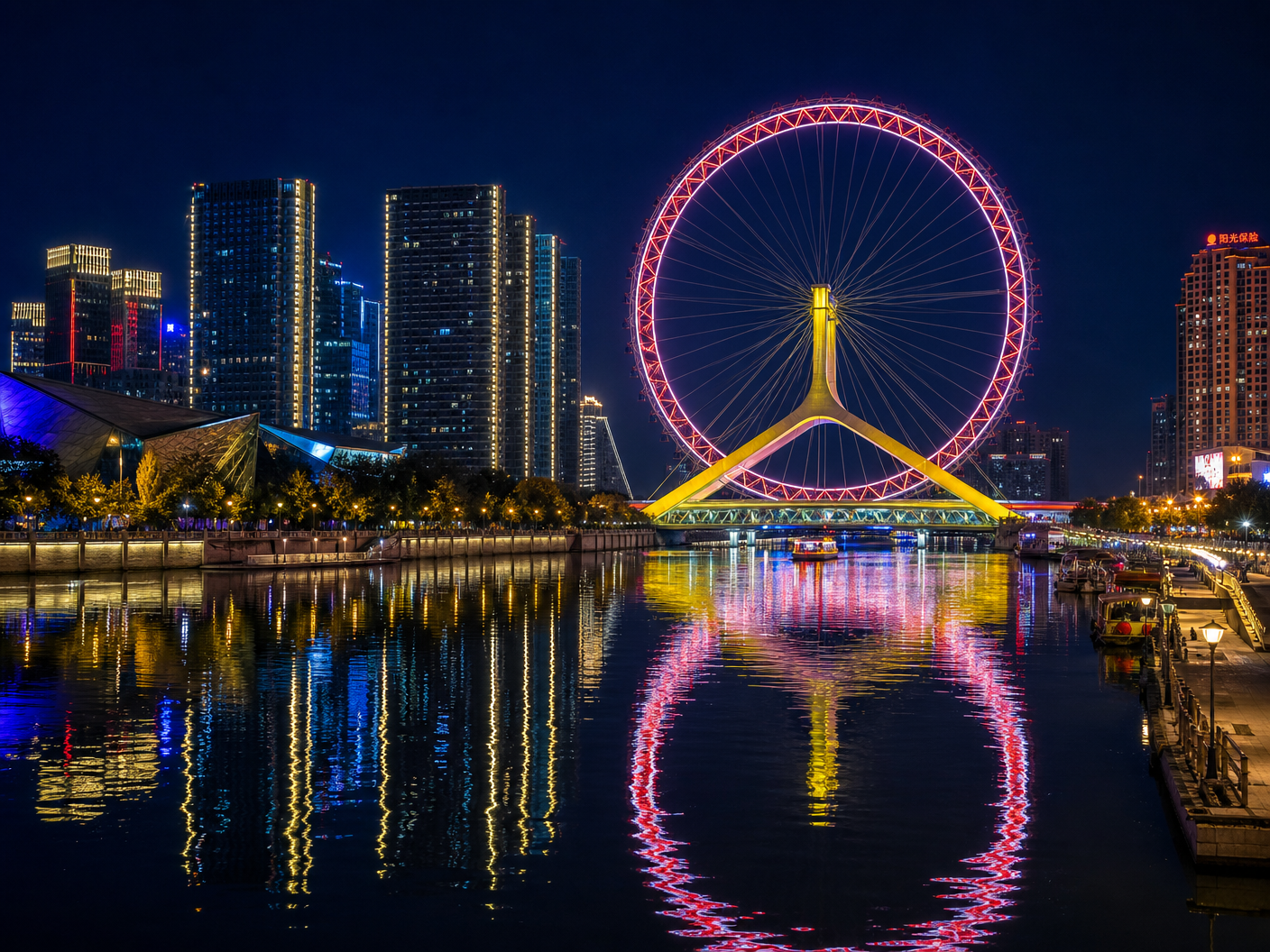
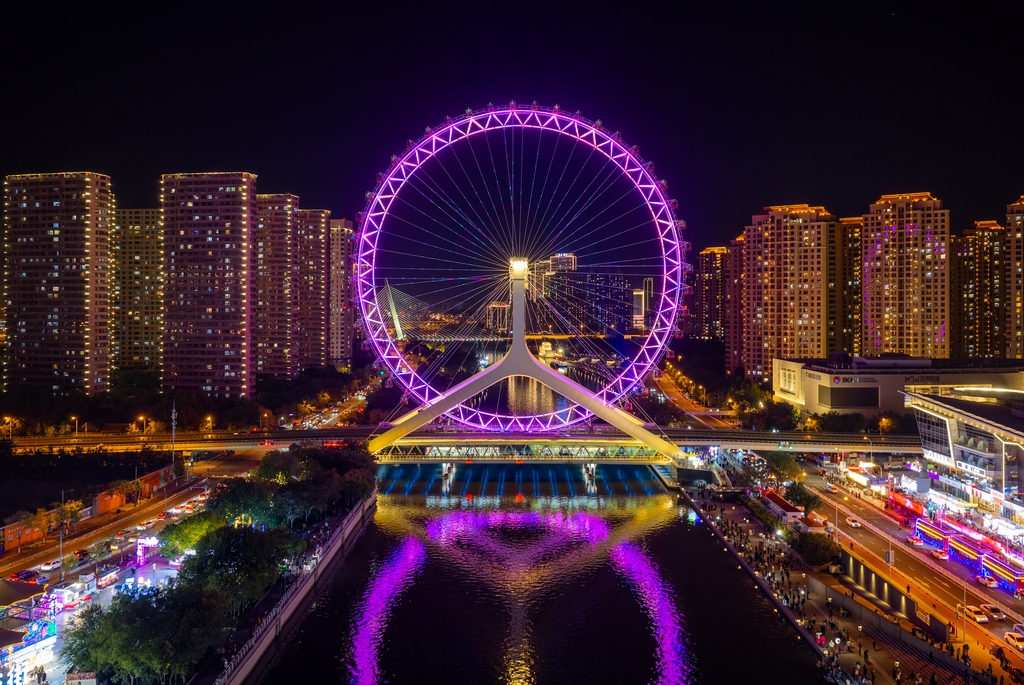
The Tianjin Eye is one of the world's few ferris wheels built directly atop a bridge — the Yongle Bridge spanning the Hai River — making it an instantly recognisable symbol of the city. Each of its 48 gondolas accommodates up to eight passengers for a 30-minute rotation that climbs 120 metres, offering sweeping views over the Hai River waterfront, the Italian Concession, and the city skyline. At night, the wheel's LED illuminations reflect brilliantly on the river below.
Highlights:
- Bridge-mounted ferris wheel
- 120m panoramic views
- Hai River waterfront
- Night illuminations
Tianjin Ancient Culture Street
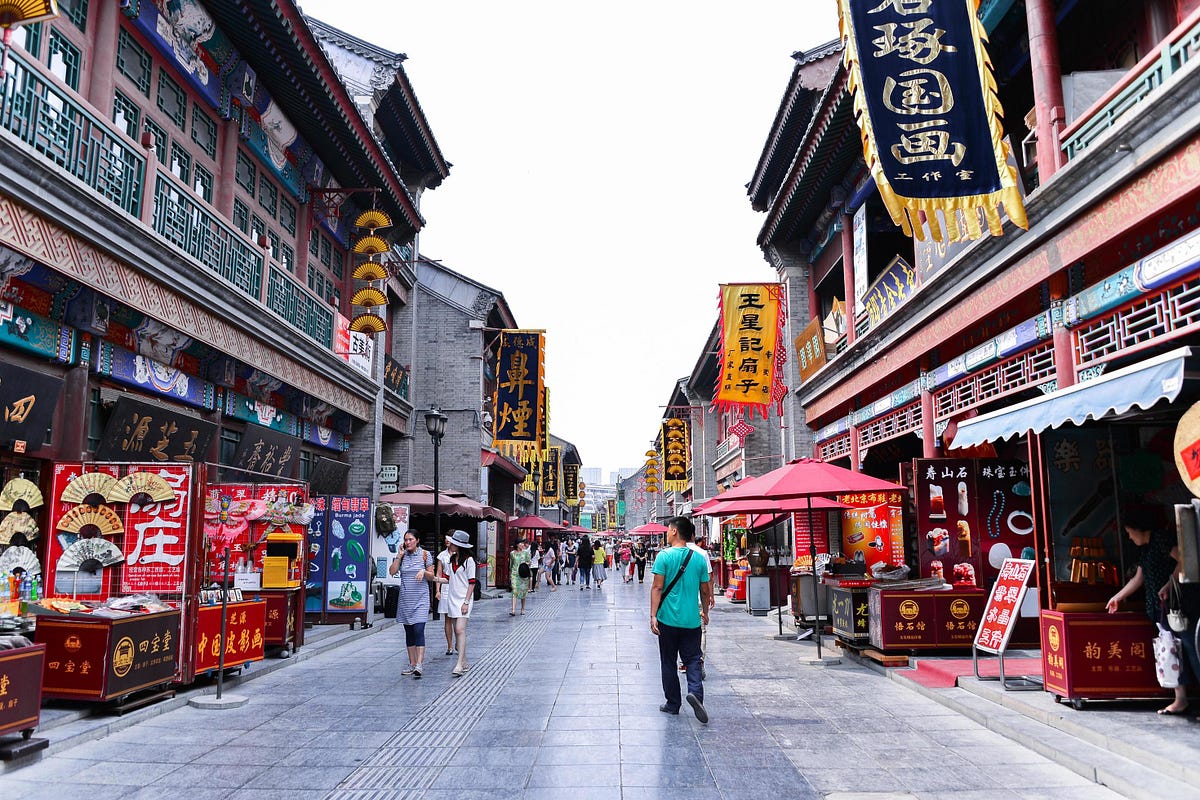
Modelled on the architecture of the Qing Dynasty, Tianjin Ancient Culture Street is a 580-metre pedestrian thoroughfare dedicated to traditional Chinese arts, crafts, and folk culture. Visitors browse hundreds of shops selling clay figurines, New Year woodblock prints, kites, calligraphy, and antiques — many crafted by artisans practising skills passed down through generations. The street culminates at the Tianhou Palace, one of China's oldest Mazu temples dating to 1326, which remains an active place of worship.
Highlights:
- Qing Dynasty architecture
- Traditional handicrafts
- Tianhou Palace (1326)
- Folk art market
Five Great Avenues
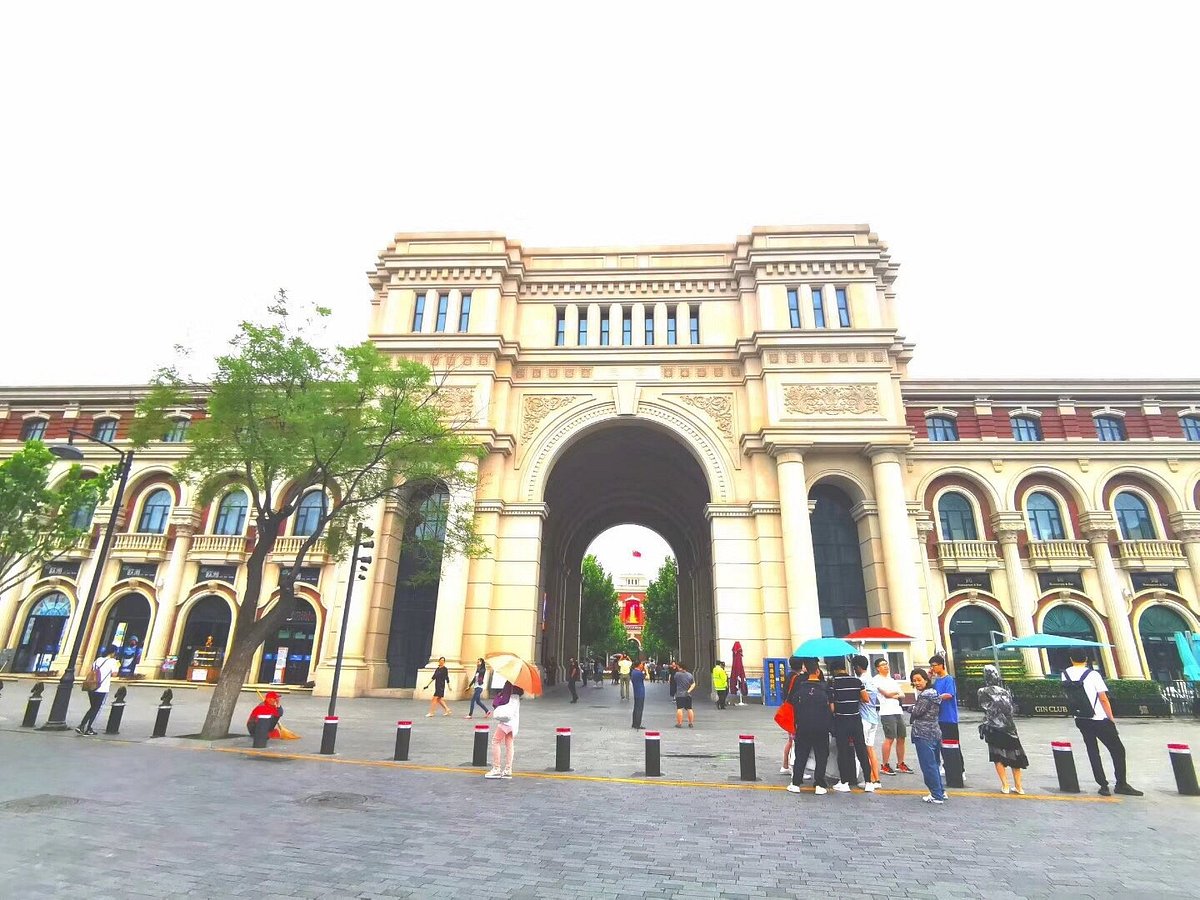
Covering 1.28 square kilometres in the former British Concession, the Five Great Avenues district is China's finest surviving collection of early 20th-century Western residential architecture. Over 2,000 villas in English, French, Italian, and Spanish styles line tree-canopied boulevards, many of which were once home to Chinese warlords, industrialists, and diplomats. A leisurely rickshaw or cycling tour through Chongqing Road, Machang Road, and their neighbouring avenues reveals a remarkably intact slice of Republican-era Tianjin.
Highlights:
- 2,000+ heritage villas
- Western concession architecture
- Rickshaw & cycling tours
- Republican-era history

Huangyaguan Great Wall
The Huangyaguan Great Wall, a miniature of the Great Wall of China, is nestled in the mountains north of Jizhou District, Tianjin. Originally built in the Northern Qi Dynasty and extensively repaired during the Ming Dynasty, it features diverse watchtowers and fortifications. This section offers a challenging yet rewarding experience for visitors, showcasing ancient military architecture amidst stunning natural landscapes. It's a significant historical site and a popular destination for cultural immersion and outdoor activities.
Highlights:
- Ancient Military Architecture
- Challenging Hikes
- Historical Significance
- Scenic Mountain Views
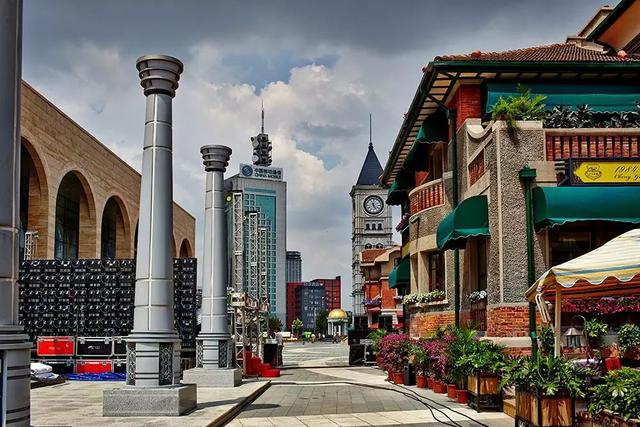
Tianjin Italian Style Street
Tianjin Italian Style Street is a unique historical district in Tianjin, renowned as the only well-preserved Italian-style architectural complex in Asia. This national 4A-level tourist attraction features nearly 200 Mediterranean-style buildings, including Renaissance and Baroque styles, dating back to the early 20th century. It offers a charming European ambiance with cobblestone streets, vibrant cafes, and historical sites, making it a perfect blend of Eastern and Western cultures. Ideal for leisurely strolls, photography, and experiencing diverse culinary delights.
Highlights:
- European Architecture
- Historical Concession
- Cultural Fusion
- Dining & Cafes
B2B Travel Information: Tianjin
Overview for Travel Agencies
Tianjin is one of China's most historically layered cities, where eight foreign concession districts left behind a remarkable collection of European architecture that stands in fascinating contrast to traditional Chinese neighbourhoods. Travel agencies appreciate Tianjin's proximity to Beijing (30 min by high-speed rail) and its authentic, less-touristy character compared to the capital.
Group Size & Duration
Ideal for groups of 10–45 pax. Recommended tour duration: 1–2 days in Tianjin, typically combined with Beijing (30 min) as a day trip or overnight extension.
Logistics & Connectivity
Served by Tianjin Binhai International Airport (TSN). High-speed rail connects Tianjin to Beijing (30 min), Shanghai (3 hrs), and Qingdao (2 hrs). The Five Great Avenues area has charming boutique hotels in restored colonial villas.
Signature Experience
A walking tour of the Five Great Avenues — where hundreds of European-style villas from the British, French, Italian, German, and Japanese concession periods create a unique open-air architectural museum — followed by traditional Tianjin goubuli steamed buns.
FancyChinatour B2B Service Highlight
FancyChinatour provides expert colonial architecture guides for Tianjin's concession districts, coordinates Haihe River evening cruises, and designs Beijing-Tianjin combination packages for international travel agency groups.
Tianjin treaty-port architecture and Beijing extension planning
Tianjin works best as a focused architecture-and-river extension, not simply an overflow stop from Beijing. A travel-agency brief should decide whether the programme prioritises concession-era streets, the Haihe waterfront or a food-and-neighbourhood layer, then set the overnight and rail role before local timing, reservations and final inclusions are confirmed in the written proposal.
- Choose whether the group brief centres on concession architecture, riverfront context or neighbourhood-and-food interpretation.
- Set Tianjin as a day extension or overnight segment before allocating rail arrival, coach movement and walking pace.
- Provide travel window, group size, language and hotel expectations; access, timings and final service scope are confirmed in the written proposal.
Five Great Avenues heritage-visit planning reference
This source-dated reference separates the enduring heritage-reading role of Five Great Avenues from time-limited visitor-service and festival notices. It is a planning aid, not a promise of entry to any residence, a current event, transport arrangement, parking, crowd level or guided-service availability.
26–27 December 2025 — historic visitor-service update
A Tianjin government report stated that a new Five Great Avenues visitor service centre began trial operation on 25 December 2025 and was scheduled to open on 27 December. This is a dated service-development report, not verification that the centre, consultation, ticketing or any specific facility remains available for a future group.
3–12 April 2026 — historic spring festival period
The 2026 municipal Five Great Avenues Begonia Festival notice described a 3–12 April event period, temporary visitor-service measures and traffic-management arrangements. That period has ended; do not use it as a current operating calendar, access plan or transport promise.
Current heritage visit — define the street-reading scope first
For a current group, define whether the brief needs exterior architecture interpretation, public-space walking, a Haihe context or an indoor cultural component. Re-check the latest municipal notice and each intended venue’s own rules before confirming walking sequence, coach set-down, indoor access or event content.
Official sources
Dated public notices are not standing operating commitments. Check the latest official municipal and venue notices before quotation; access, venue rules, transport, guides, reservations and all final inclusions are confirmed only in the written proposal.
Tianjin within a North China urban-heritage programme
These pages help agencies distinguish Tianjin's treaty-port urban fabric from Beijing's imperial-capital role, Qingdao's coastal concession history and Datong's inland heritage focus. They support product design rather than a fixed circuit; actual sequence, access and final inclusions are confirmed in the written proposal.
Frequently Asked Questions about Tianjin
What is the best time to visit Tianjin?
Spring (April–May) and autumn (September–October) are the best seasons to visit Tianjin, with mild temperatures and comfortable sightseeing conditions. Summer (June–August) is hot and humid, while winter (November–February) is cold and dry. Tianjin is easily accessible from Beijing (30 minutes by high-speed train), making it an ideal day trip or overnight extension to a Beijing itinerary.
What is the Italian Concession area in Tianjin?
Tianjin's Italian Concession (Yidali Fengqing Jie) is one of the city's most distinctive neighbourhoods, featuring well-preserved early 20th-century Italian Renaissance architecture. The area was established in 1902 and is now a pedestrian cultural street with boutique shops, cafes, and restaurants housed in beautifully restored colonial buildings. It is part of Tianjin's broader collection of nine former foreign concession areas, each with its own distinct architectural character.
What traditional arts and crafts is Tianjin famous for?
Tianjin is renowned for several traditional arts and crafts that make excellent cultural experiences for tour groups. The city is famous for Yangliuqing New Year woodblock prints (a 700-year-old tradition), Clay Figure Zhang (Zhang's Clay Figurines, intricate hand-painted clay sculptures), Tianjin Kite making, and Wei's Kite craft. The Ancient Culture Street (Guwenhua Jie) is the best place to purchase authentic Tianjin crafts and experience traditional performing arts.
Request a Quote
Get a personalized quote for your group travel to Tianjin
Travel-agency enquiries
Established
Published destination profiles