Nanjing
南京
Must-Visit Attractions
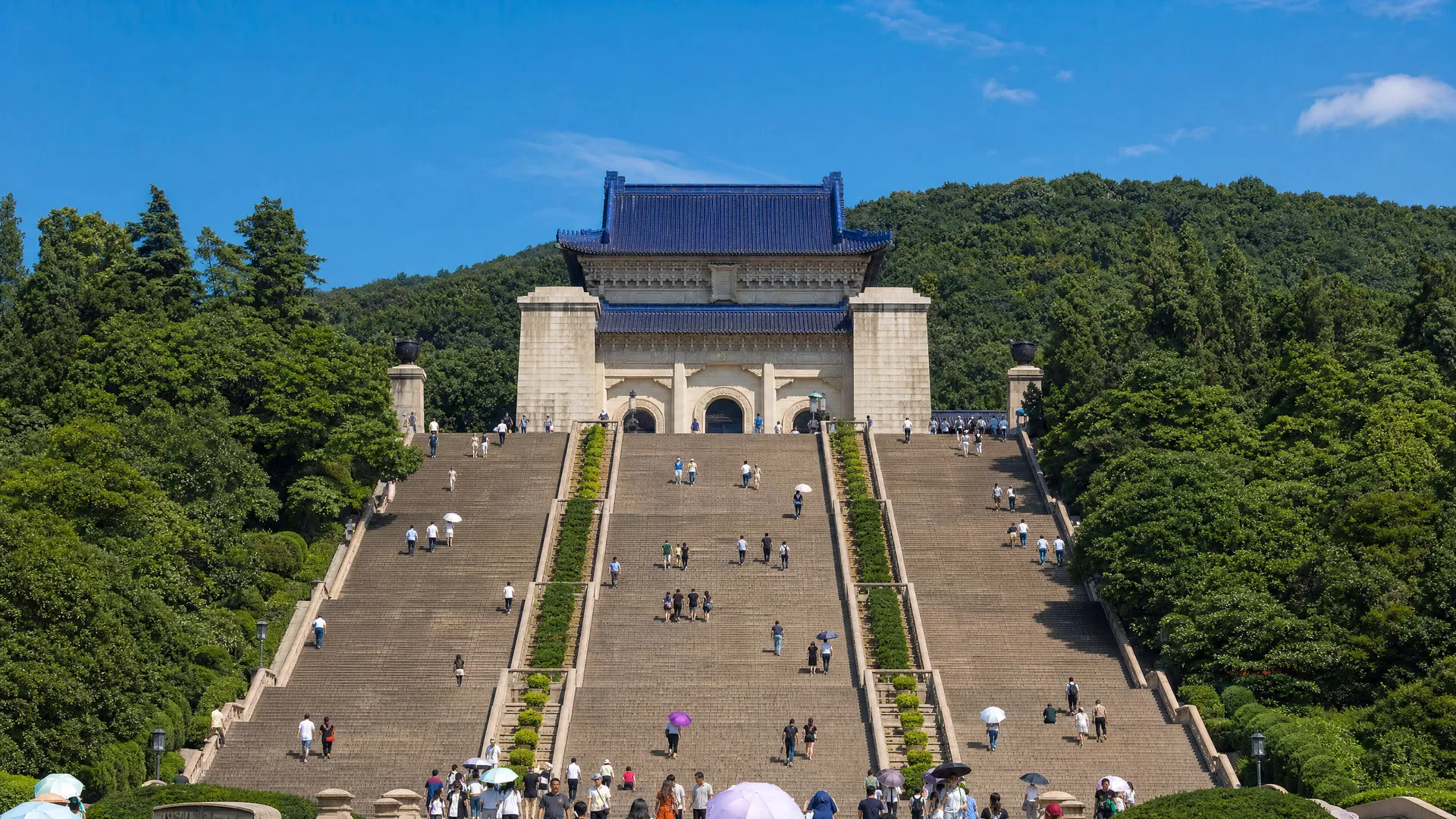
Mausoleum of Sun Yat-sen
The Mausoleum of Sun Yat-sen is one of China's most significant historical sites, honoring the founder of the Republic of China. Located on the slopes of Purple Mountain, the mausoleum features a grand stone staircase leading to a classical Chinese-style building with a blue-tiled roof. The site combines traditional Chinese architecture with modern design, offering panoramic views of Nanjing and serving as a symbol of China's revolutionary history.
Highlights:
- Grand staircase
- Blue-tiled roof
- Panoramic views
- Historical significance
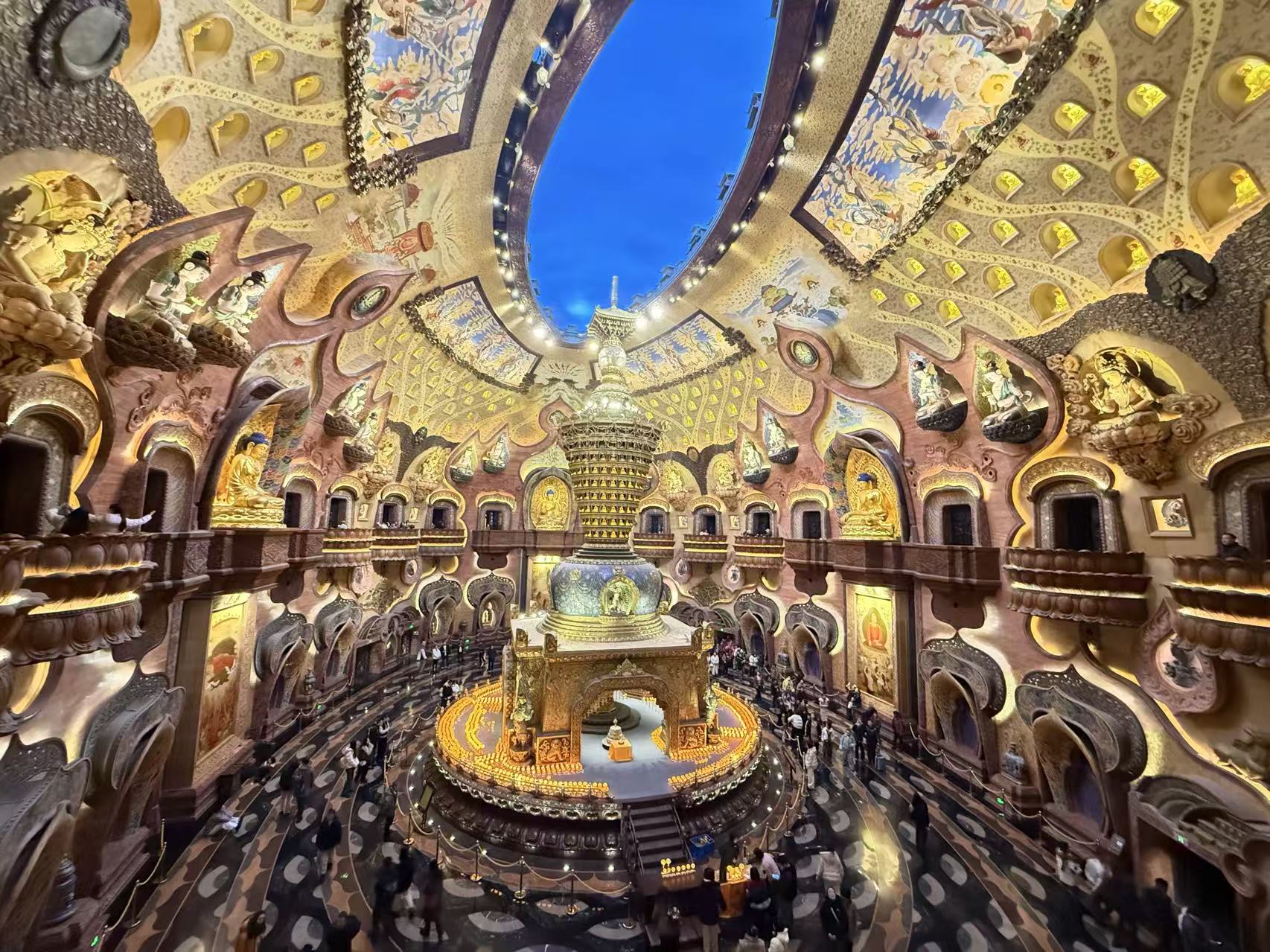
Niushou Mountain
Niushou Mountain (牛首山) is a sacred Buddhist mountain in Nanjing, renowned for its stunning natural scenery and spiritual significance. The mountain features the magnificent Niushou Mountain Scenic Area with ancient temples, meditation halls, and a modern Buddhist cultural center. The summit offers panoramic views of Nanjing and the surrounding landscape. The mountain is home to important Buddhist relics and serves as a pilgrimage site for both religious devotees and nature lovers seeking tranquility and natural beauty.
Highlights:
- Buddhist temples
- Mountain scenery
- Panoramic views
- Spiritual significance
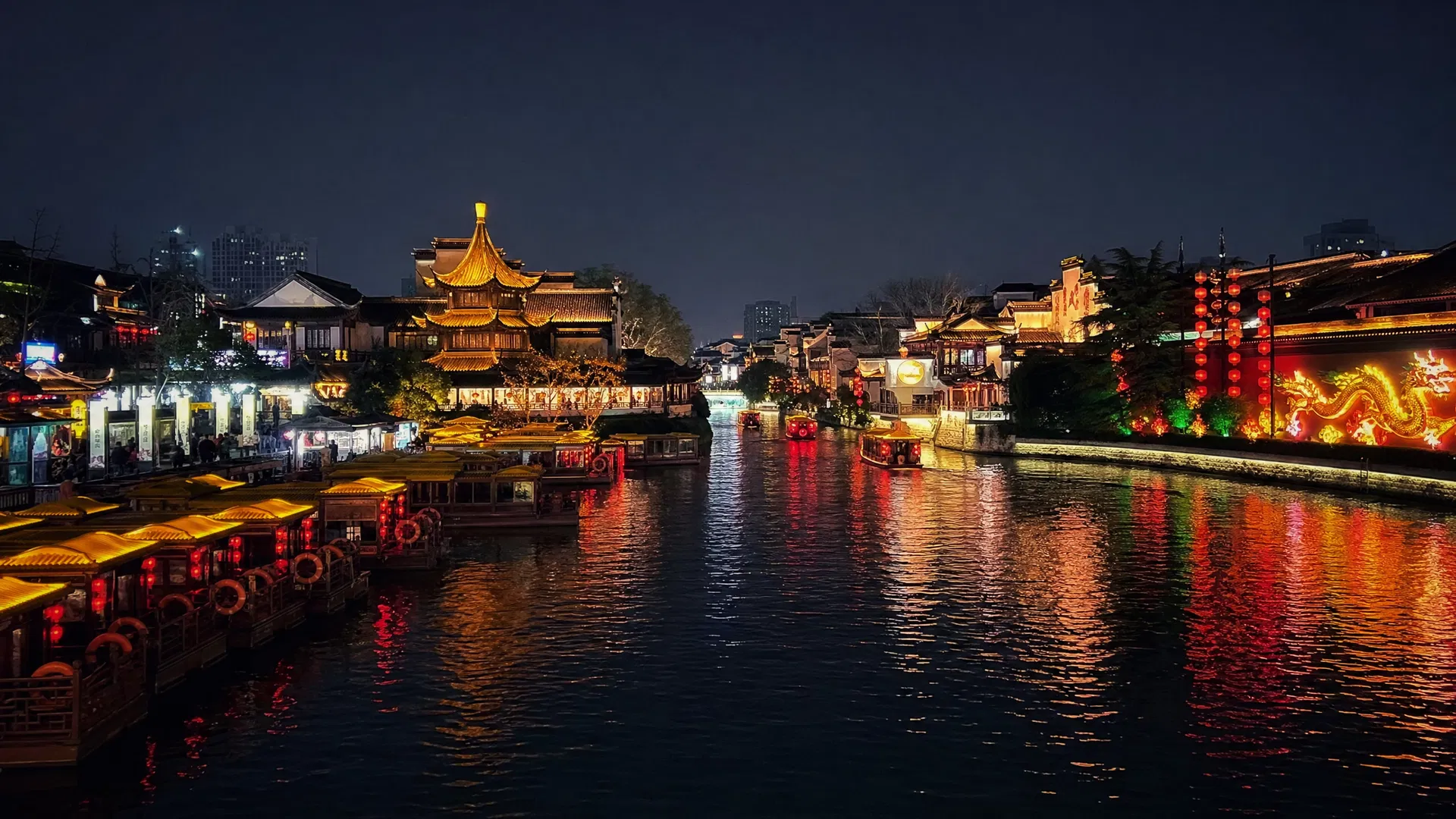
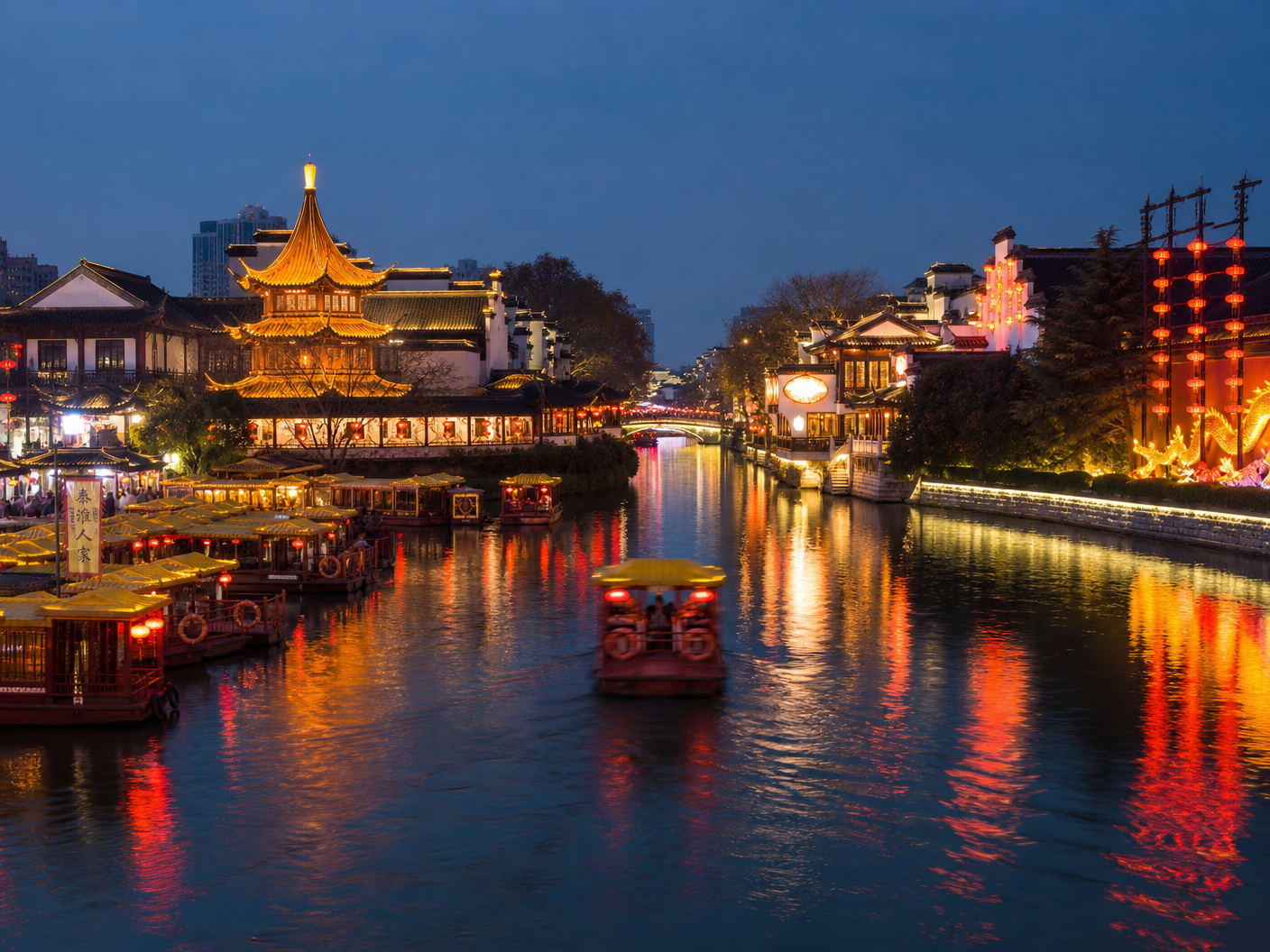
Qinhuai River Night Scene
The Qinhuai River is Nanjing's most romantic waterway, famous for its enchanting night scene with traditional lantern-lit boats and illuminated historic buildings reflected in the water. The river has been a cultural center for over 2,000 years, featuring traditional teahouses, restaurants, and shops. The evening atmosphere creates a magical experience, blending ancient history with contemporary charm.
Highlights:
- Lantern-lit boats
- Historic architecture
- Night illumination
- Traditional culture
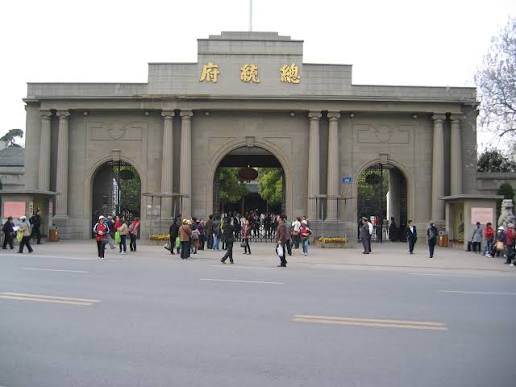
Presidential Palace
The Presidential Palace (總統府) in Nanjing is one of China's most significant historical sites, serving as the seat of government for multiple regimes over nearly two centuries. Originally built as a Ming Dynasty garden, it later became the headquarters of the Taiping Heavenly Kingdom and the Republic of China government under Sun Yat-sen and Chiang Kai-shek. The sprawling complex features elegant Republican-era architecture, beautifully landscaped gardens, and comprehensive exhibitions documenting China's turbulent modern history, making it an essential stop for any cultural or historical tour group.
Highlights:
- Republican-era architecture
- Sun Yat-sen & Chiang Kai-shek history
- Ming Dynasty garden origins
- Modern China history
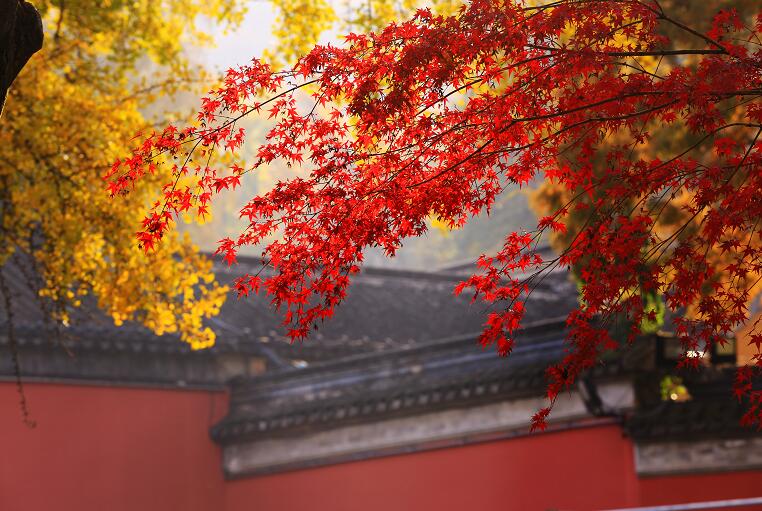
Qixia Mountain
Qixia Mountain (棲霞山), located 22 kilometres northeast of Nanjing, is celebrated as one of China's four most famous Buddhist mountains and renowned for its spectacular autumn foliage. The mountain is home to the ancient Qixia Temple, founded in 489 AD, and the remarkable Thousand Buddha Cliff featuring hundreds of stone-carved Buddhist figures dating back to the Southern Qi Dynasty. Each autumn, the hillsides transform into a breathtaking tapestry of red, orange, and gold, drawing visitors from across China and making it an outstanding destination for cultural and nature-focused tour groups.
Highlights:
- Spectacular autumn foliage
- Ancient Qixia Temple (489 AD)
- Thousand Buddha Cliff carvings
- One of China's four Buddhist mountains
B2B Travel Information: Nanjing
Overview for Travel Agencies
Nanjing, the ancient capital of six Chinese dynasties, offers travel agencies a profound journey through Chinese history from the Ming Dynasty city walls to the poignant Nanjing Massacre Memorial. The city's combination of imperial grandeur, natural beauty along the Qinhuai River, and modern urban sophistication makes it an essential stop on any eastern China itinerary.
Group Size & Duration
Ideal for groups of 10–50 pax. Recommended tour duration: 2–3 days in Nanjing, easily combined with Shanghai (1 hr by high-speed rail) or Suzhou (1 hr) for a Yangtze Delta cultural circuit.
Logistics & Connectivity
Served by Nanjing Lukou International Airport (NKG). High-speed rail connects Nanjing to Shanghai (1 hr), Beijing (3.5 hrs), and Hangzhou (1.5 hrs). Excellent range of international hotels near Xinjiekou and the historic Qinhuai district.
Signature Experience
A sunset boat cruise along the historic Qinhuai River, passing illuminated traditional pavilions and the Confucius Temple complex, followed by dinner at a riverside restaurant serving authentic Nanjing cuisine including the famous salted duck.
FancyChinatour B2B Service Highlight
FancyChinatour provides expert historical guides for Nanjing's imperial sites, coordinates Qinhuai River evening cruises, and designs comprehensive Yangtze Delta cultural circuits for international travel agency groups.
Nanjing Ming capital and Republican-era history programme planning
Nanjing works best as a layered capital-history programme rather than a general city stop: Ming city-wall and mausoleum context, Republican-era civic history and Qinhuai cultural time need distinct interpretation and pacing. Agencies should define which historical lens leads the programme, how much walking and museum time the group can absorb, and whether Beijing, Xi'an or Shanghai provides the right route context; visits, guide resources, access and final inclusions are confirmed in the written proposal.
- Choose whether the programme leads with Ming-capital heritage, Republican-era history or a balanced chronological narrative.
- Separate city-wall, mausoleum, museum and Qinhuai time into workable group blocks instead of combining unrelated visits in one period.
- Share dates, group size, interpretation language, hotel and walking preferences; visit timing, access and final scope are confirmed in writing.
Connect Nanjing within a capital-history programme
These pages distinguish Nanjing's Ming-capital and Republican-era history from Beijing's later imperial context, Xi'an's archaeological and dynastic heritage, and Shanghai's modern city gateway. They support route design rather than fixed transport promises; visits, reservations, access and final inclusions are confirmed in the written proposal.
Frequently Asked Questions about Nanjing
What is the best time to visit Nanjing?
Spring (March–May) and autumn (September–November) are the best seasons for Nanjing, with mild temperatures and beautiful foliage. The city's plane tree-lined boulevards are particularly stunning in autumn gold. Summer (June–August) is hot and humid — Nanjing is one of China's 'Three Furnaces'. The Plum Blossom Festival at Meihua Mountain in February–March is a spectacular seasonal event.
What historical sites are must-visits in Nanjing?
Nanjing's rich history as a former imperial capital is reflected in its outstanding historical sites. Must-visits include the Sun Yat-sen Mausoleum (Zhongshan Ling) on Purple Mountain, the Ming Xiaoling Mausoleum (a UNESCO World Heritage Site), the Confucius Temple (Fuzimiao) and Qinhuai River district, the Nanjing Massacre Memorial Hall, and the Presidential Palace (former seat of the Republic of China government). The ancient city wall, one of the longest in the world, is also remarkable.
What culinary experiences does Nanjing offer for tour groups?
Nanjing's cuisine is distinctive within Jiangsu province, featuring the famous Nanjing salted duck (Nanjing Yarou), duck blood and vermicelli soup, and Qinhuai snacks along the historic riverfront. FancyChinatour can arrange guided food tours through the Confucius Temple area, private dining experiences at century-old restaurants, and cooking demonstrations of traditional Nanjing dishes for culinary-focused tour groups.
Request a Quote
Get a personalized quote for your group travel to Nanjing
Travel-agency enquiries
Established
Published destination profiles