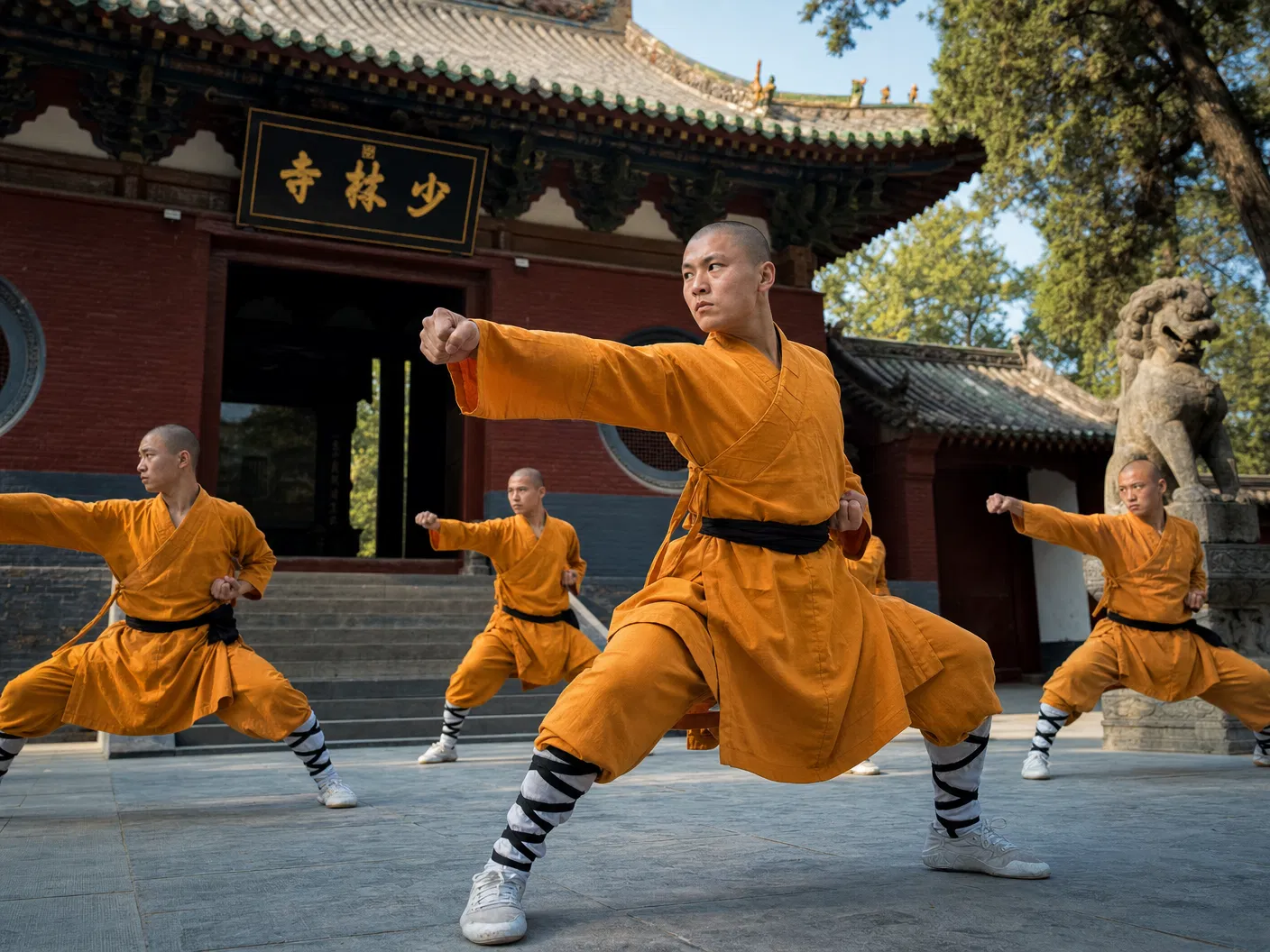
Luoyang
洛陽
Must-Visit Attractions
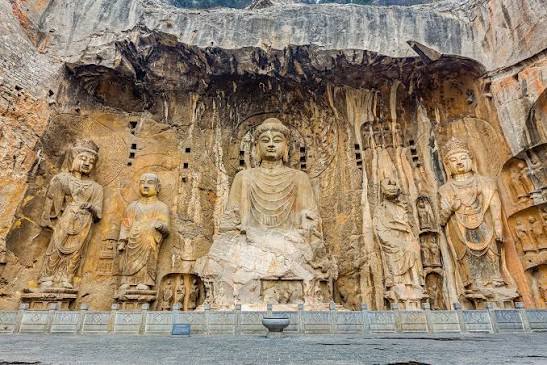
Longmen Grottoes
The Longmen Grottoes, a UNESCO World Heritage site, represent one of China's finest examples of Buddhist art, carved into the limestone cliffs along the Yi River. Dating back to the late Northern Wei and Tang Dynasties (5th to 8th centuries), these grottoes house tens of thousands of statues, including the magnificent 17.14-meter-tall Vairocana Buddha, believed to be modeled after Empress Wu Zetian. This monumental collection offers international tour groups a profound insight into ancient Chinese religious devotion, sculptural mastery, and imperial patronage, showcasing a pivotal era of cultural exchange.
Highlights:
- UNESCO World Heritage
- Buddhist Rock Carvings
- Vairocana Buddha Statue
- Ancient Imperial Art

White Horse Temple
The White Horse Temple, located in Luoyang, holds the distinction of being China's first Buddhist temple, established in 68 AD during the Eastern Han Dynasty. Revered as the "Cradle of Buddhism" in China, it played a crucial role in the religion's introduction and spread throughout the country. International visitors can explore its ancient halls, pagodas, and serene courtyards, which now also feature international halls built in Thai, Indian, and Burmese styles, symbolizing Buddhism's global reach and historical continuity.
Highlights:
- First Buddhist Temple
- Cradle of Buddhism
- Ancient Pagodas
- International Buddhist Architecture
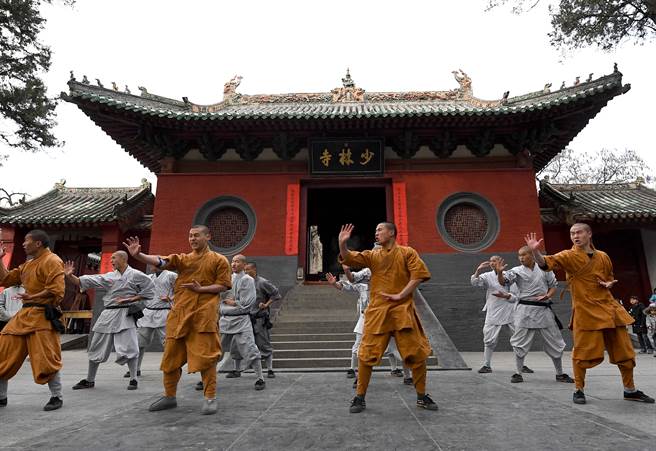
Shaolin Temple
The Shaolin Temple, nestled in the Songshan mountains, is globally renowned as the birthplace of Zen Buddhism and the cradle of Chinese Kung Fu. Founded in 495 AD, this historic monastery is where the fusion of Chan (Zen) philosophy and martial arts originated, creating a unique cultural legacy. International tour groups are drawn to witness authentic Kung Fu demonstrations, explore ancient pagodas, and immerse themselves in the spiritual and martial traditions that have influenced countless generations worldwide.
Highlights:
- Zen Buddhism Birthplace
- Kung Fu Origin
- Martial Arts Demonstrations
- Historic Monastery
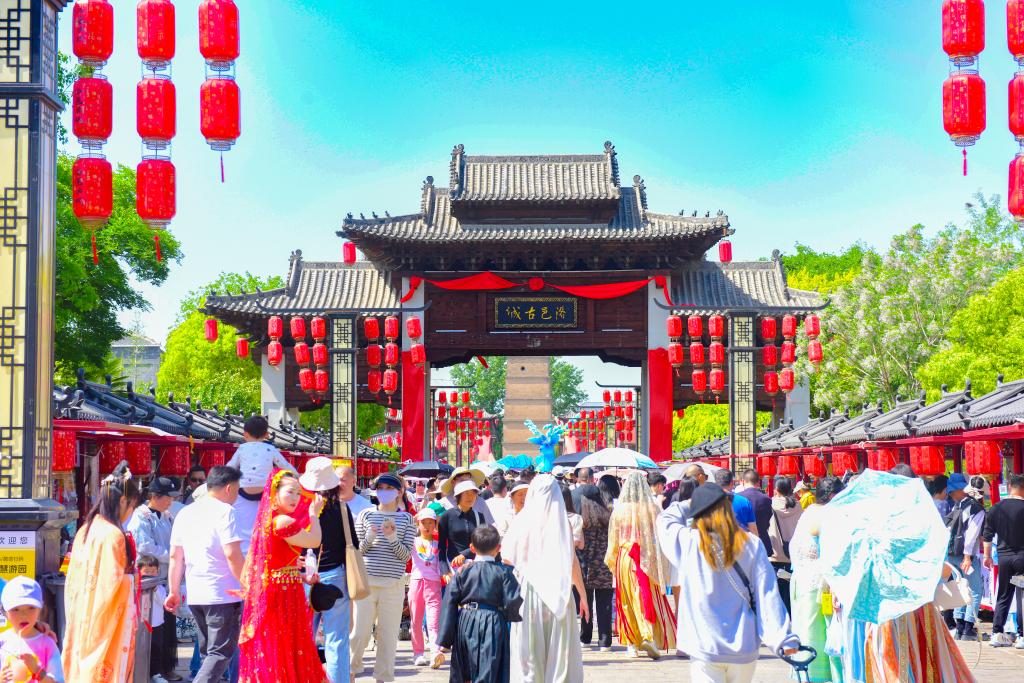
Luoyi Ancient City
Luoyi Ancient City (雒邑古城) is a large-scale cultural tourism complex in Luoyang that recreates the splendour of the Zhou Dynasty capital — one of the earliest and most influential cities in Chinese civilisation. The meticulously designed complex features grand palace halls, ceremonial plazas, traditional market streets, and immersive cultural performances depicting life in ancient Luoyi, the eastern capital of the Zhou kings. As the birthplace of Confucianism and Taoism's foundational texts, this destination offers international tour groups a profound journey into the very origins of Chinese philosophy, ritual, and statecraft.
Highlights:
- Zhou Dynasty capital recreation
- Birthplace of Chinese philosophy
- Grand palace halls & ceremonial plazas
- Immersive cultural performances
Luoyang Peony Festival
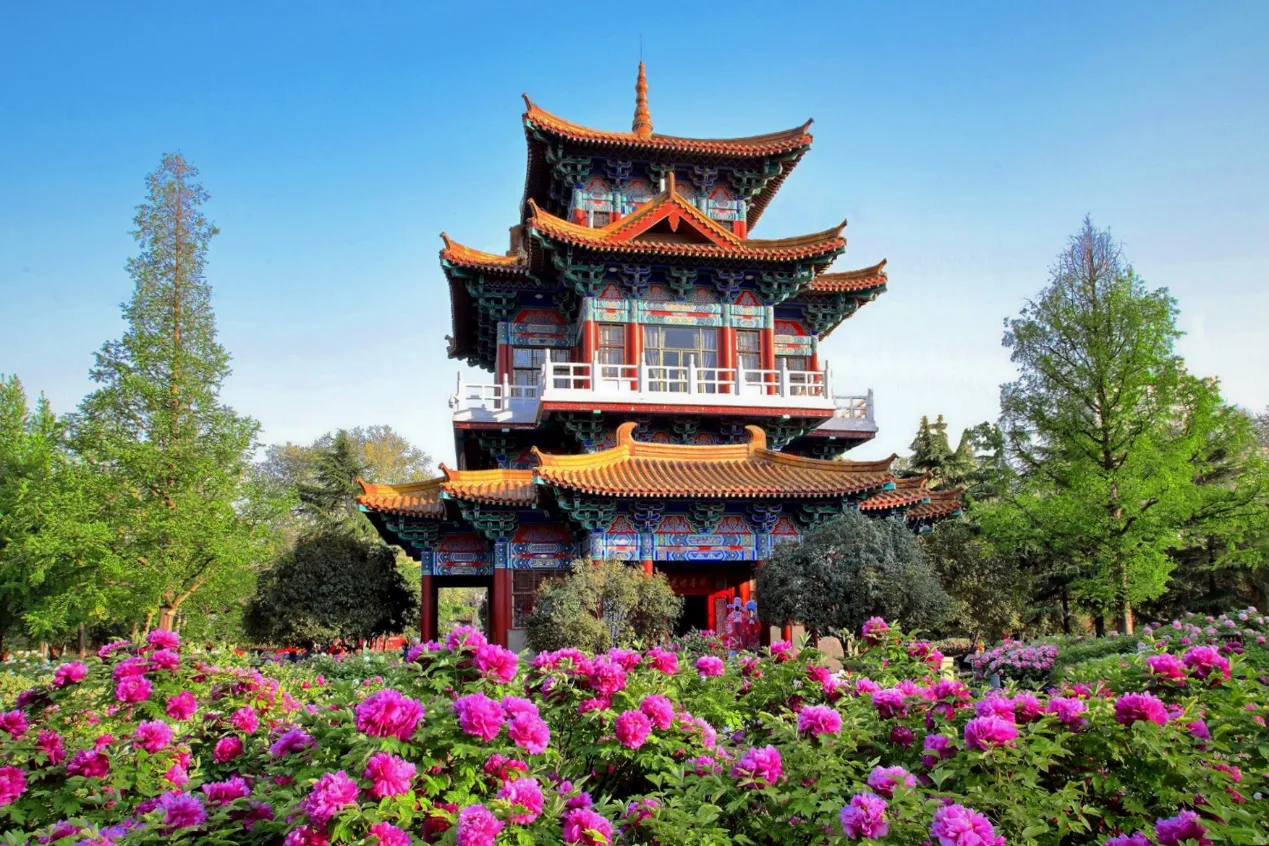
The Luoyang Peony Festival (洛陽牡丹節), held annually in April, is one of China's most spectacular floral events and a defining symbol of the city's cultural identity. Luoyang has cultivated peonies — China's 'king of flowers' — for over 1,500 years, and today the city boasts hundreds of varieties in every colour imaginable. During the festival, major parks including Wang Cheng Park, Sui Tang Heritage Park, and the National Peony Garden transform into breathtaking floral landscapes, accompanied by cultural performances, art exhibitions, and culinary events. For travel agencies, the festival represents a premium seasonal product with outstanding group appeal and strong repeat visitor rates.
Highlights:
- 1,500-year peony cultivation heritage
- Hundreds of peony varieties
- Major parks transformed into floral landscapes
- Premium seasonal group product
B2B Travel Information: Luoyang
Overview for Travel Agencies
Luoyang is one of China's oldest cities and the capital of nine ancient dynasties, home to the magnificent Longmen Grottoes — a UNESCO World Heritage Site with over 100,000 Buddhist stone carvings — and the nearby Shaolin Temple, birthplace of Chinese martial arts. Travel agencies seeking China's deepest historical and cultural experiences consistently include Luoyang in central China itineraries.
Group Size & Duration
Ideal for groups of 10–45 pax. Recommended tour duration: 2–3 days in Luoyang, with optional extensions to the Shaolin Temple (80 km) and the White Horse Temple (12 km).
Logistics & Connectivity
Served by Luoyang Beijiao Airport (LYA). High-speed rail connects Luoyang to Zhengzhou (40 min), Xi'an (1.5 hrs), and Beijing (3.5 hrs). The city has good hotel infrastructure, with options near the Longmen Grottoes scenic area.
Signature Experience
The Longmen Grottoes at dawn — when the 17-metre Vairocana Buddha in the Fengxian Temple cave is illuminated by morning light — combined with a traditional Luoyang water banquet (shuixi) dinner featuring 24 courses of local cuisine.
FancyChinatour B2B Service Highlight
FancyChinatour provides expert Buddhist art historians for Longmen Grottoes tours, coordinates Shaolin Temple martial arts demonstrations, and arranges traditional Luoyang water banquet dinners for international travel agency groups.
Luoyang ancient-capital heritage, interpretation and seasonal culture planning
Luoyang should be planned as an ancient-capital heritage programme that distinguishes Longmen Grottoes, museum or city interpretation and seasonal culture rather than treating them as interchangeable stops. Agencies should establish the desired interpretation depth, walking rhythm, travel window and whether Xi'an, Beijing or Nanjing provides the most relevant route context; reservations, access, guide resources and final inclusions are confirmed in the written proposal.
- Separate grotto, museum and city-culture time into workable group blocks rather than compressing different heritage contexts into one visit.
- Set interpretation depth, walking expectations and any seasonal-culture priority before fixing the daily sequence.
- Share dates, group size, guide language, hotel and meal preferences; reservations, access conditions and final inclusions are confirmed in writing.
Connect Luoyang within an ancient-capital heritage programme
These pages help agencies distinguish Luoyang's grotto and ancient-capital interpretation from Xi'an's wider dynastic heritage, Beijing's imperial context and Nanjing's Ming-and-Republic city history. Use them to set a heritage sequence without implying a fixed transfer; reservations, access conditions and final inclusions are confirmed in the written proposal.
Frequently Asked Questions about Luoyang
What is the best time to visit Luoyang?
April is the most famous time to visit Luoyang, when the city hosts the Luoyang Peony Festival — China's most celebrated flower festival, featuring over 1,000 varieties of peonies in bloom across the city's parks and gardens. Autumn (September–October) is also beautiful. Spring and autumn are ideal for visiting the Longmen Grottoes. Summer is hot, and winter is cold but offers fewer crowds at the major sites.
What makes the Longmen Grottoes a UNESCO World Heritage Site?
The Longmen Grottoes (Longmen Shiku) are one of China's finest examples of Buddhist rock-cut art, carved along the Yi River cliffs over a period of 400 years (493–907 CE) during the Northern Wei and Tang dynasties. The site contains over 100,000 Buddhist statues in 2,345 niches and caves. The most impressive is the Fengxian Temple, featuring a 17-metre Vairocana Buddha commissioned by Empress Wu Zetian. UNESCO inscribed the site in 2000.
What is the Shaolin Temple experience near Luoyang?
The Shaolin Temple, the birthplace of Chan (Zen) Buddhism and Chinese martial arts, is located approximately 80 kilometres from Luoyang in the Songshan Mountains. The temple complex includes the original monastery, the Forest of Pagodas (the largest pagoda forest in China), and the Shaolin Martial Arts School. Daily kung fu performances by Shaolin monks are a highlight. FancyChinatour arranges day trips from Luoyang and can organise multi-day martial arts immersion programmes.
Request a Quote
Get a personalized quote for your group travel to Luoyang
Travel-agency enquiries
Established
Published destination profiles