Dali

Dali

大理

Overview

Ancient Bai kingdom capital with preserved old town, Erhai Lake, and mountain backdrop.

Best Season

Spring & Fall

Region

Southwest China

Quick Facts

Best Season

Spring & Fall

Region

Southwest China

Must-Visit Attractions

Dali Old Town
1

Dali Old Town

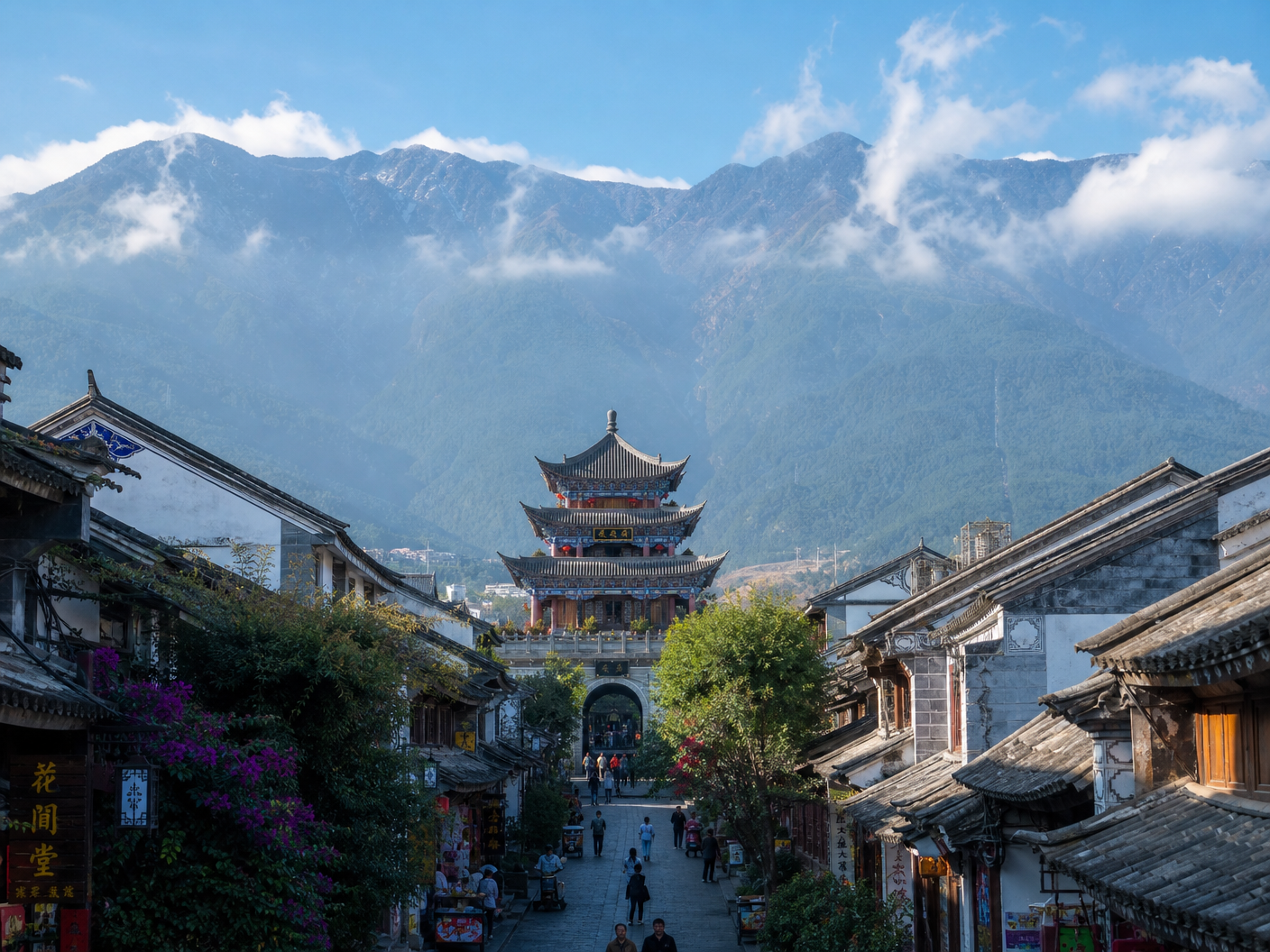
Dali Old Town, once the ancient capital of the Nanzhao and Dali Kingdoms with a history spanning over 1,200 years, offers international tour groups a profound immersion into China's rich past. Rebuilt during the Ming Dynasty, its well-preserved architecture showcases distinctive Bai ethnic styles, characterized by white walls and grey tiles. Visitors can wander through cobblestone streets, explore ancient temples, and witness traditional Bai cultural performances like the Three-Course Tea ceremony. This vibrant town provides an authentic glimpse into local life and historical grandeur, set against the backdrop of the majestic Cangshan Mountains.

Highlights:

  • Ancient Kingdom Capital
  • Bai Ethnic Architecture
  • Cobblestone Streets
  • Vibrant Cultural Hub
Erhai Lake
2

Erhai Lake

Erhai Lake, often called the 'Pearl of the Plateau,' is Yunnan's second-largest lake and a sacred site for the Bai people, who have inhabited its shores for over a millennium. Its crescent shape, resembling an ear, is framed by the majestic Cangshan Mountains, creating breathtaking vistas. International visitors can enjoy cycling along the ecological corridor, taking boat cruises to islands like Jinsuo, or experiencing traditional cormorant fishing demonstrations, offering a blend of natural beauty and profound cultural heritage.

Highlights:

  • Plateau Pearl
  • Bai Sacred Lake
  • Crescent Lake Vistas
  • Cormorant Fishing
The Three Pagodas of Dali
3

The Three Pagodas of Dali

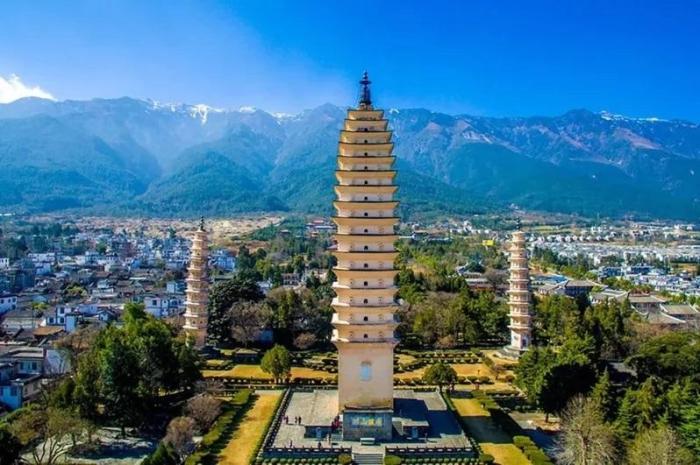
The Three Pagodas of Chongsheng Temple, an iconic symbol of Dali, stand as a testament to over a millennium of Buddhist history in the region. Erected during the Nanzhao and Dali Kingdoms, the central Qianxun Pagoda dates back to the Tang Dynasty, flanked by two smaller pagodas from the Northern Song Dynasty. This architectural marvel, set against the Cangshan Mountains, offers international tour groups a glimpse into ancient Buddhist artistry and engineering, with its well-preserved structures and rich cultural significance.

Highlights:

  • Ancient Buddhist Landmark
  • Nanzhao Kingdom Heritage
  • Tang Dynasty Architecture
  • Historical Engineering Feat
Dali Santorini (Ideal Land)
4

Dali Santorini (Ideal Land)

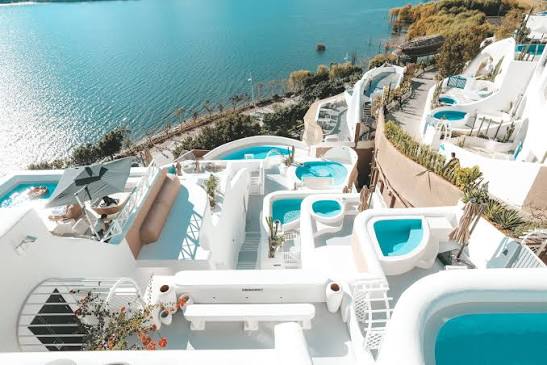
Dali Santorini, officially known as Ideal Land (大理聖托里尼·理想邦), is a stunning Mediterranean-inspired resort complex perched on the shores of Erhai Lake with the majestic Cangshan Mountains as its backdrop. Modelled after the iconic white-and-blue architecture of the Greek island of Santorini, the resort features cascading white terraces, cobalt-domed chapels, infinity pools, and flower-draped promenades that create a dreamlike contrast with the surrounding Yunnan landscape. This photogenic destination has become one of Dali's most sought-after attractions for leisure groups, honeymoon packages, and MICE incentive programmes seeking a unique blend of European aesthetics and Chinese natural grandeur.

Highlights:

  • Mediterranean architecture on Erhai Lake
  • Santorini-inspired white & blue design
  • Infinity pools with mountain views
  • Premium MICE & honeymoon destination
Xizhou Ancient Town
5

Xizhou Ancient Town

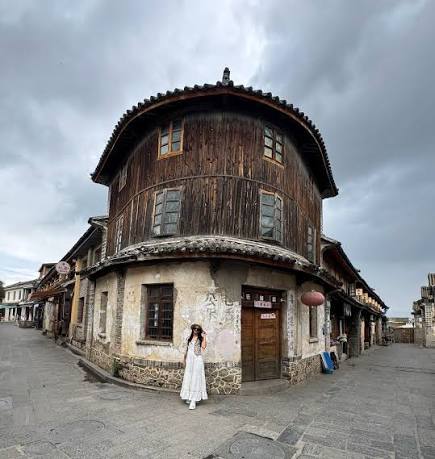
Step back in time at Xizhou Ancient Town, a remarkably preserved settlement showcasing the unique architectural grandeur and vibrant cultural heritage of the Bai ethnic group. This destination is perfect for cultural immersion tours, offering visitors a chance to explore traditional Bai residences, witness intricate craftsmanship, and savor authentic local cuisine. Its tranquil atmosphere, coupled with historical significance and artistic charm, provides a compelling narrative for B2B partners seeking to offer distinctive cultural experiences. The town's well-preserved heritage buildings and lively market scenes promise an enriching journey into local traditions.

Highlights:

  • Bai Architecture
  • Cultural Immersion
  • Traditional Crafts
  • Local Cuisine

B2B Travel Information: Dali

Overview for Travel Agencies

Dali is one of Yunnan Province's most enchanting destinations, combining a beautifully preserved ancient town with the serene Erhai Lake, the dramatic Cangshan Mountains, and the living culture of the Bai ethnic minority. Travel agencies appreciate Dali's relaxed atmosphere, excellent infrastructure, and its position as a key stop on the classic Yunnan circuit.

Group Size & Duration

Ideal for groups of 8–35 pax. Recommended tour duration: 2–3 days in Dali, typically combined with Kunming (3 hrs) and Lijiang (2 hrs) for a classic Yunnan circuit.

Logistics & Connectivity

Served by Dali Airport (DLU). High-speed rail connects Dali to Kunming (2 hrs) and Lijiang (1 hr). The ancient town area has excellent boutique hotels with mountain and lake views.

Signature Experience

A sunrise cycling tour along the Erhai Lake shore — with the Cangshan Mountains reflected in the still water and Bai fishing boats gliding past — followed by a visit to the iconic Three Pagodas and an afternoon exploring the ancient town's marble craft workshops.

FancyChinatour B2B Service Highlight

FancyChinatour arranges Erhai Lake cycling experiences, Three Pagodas expert tours, and authentic Bai minority cultural village visits for international travel agency groups visiting Dali.

Dali route design for Yunnan group programmes

Dali works best as the cultural and landscape middle section of a Yunnan programme: the old town and Bai heritage provide a slower cultural rhythm, while Erhai Lake and Cangshan create an outdoor layer. For a travel-agency brief, decide first whether Dali is a two- or three-night stay and how it should connect with Kunming, Lijiang or Shangri-La before checking transport, hotels and activity conditions.

  • Choose whether the programme prioritises old-town heritage, Erhai scenery or a balanced combination.
  • Set the group pace around lake-side movement, mountain conditions and the required Bai cultural experience.
  • Confirm transport, hotel availability, activity access and final inclusions in the written proposal.

These links show Dali's role within a wider Yunnan circuit rather than treating it as an isolated stop. Use Kunming as the gateway option, Lijiang for a northbound ancient-town and mountain sequence, and Shangri-La when the brief calls for a higher-altitude cultural extension; actual routing and conditions are confirmed in the written proposal.

Recommended Connectable Destinations

Coach
Kunming~4.5 hrs
Lijiang~2.5 hrs
Shangri-La~5 hrs
Xizhou~45 hrs
Zhoucheng~1 hr
Shuanglang~1 hr
High-Speed Rail
Kunming~2 hrs
Lijiang~1.5 hrs
Shangri-La~3 hrs
B2B operational Field Notes

Dali: group-planning summary

A Dali group brief should distinguish old-town and Bai cultural time, Erhai movement and any mountain element before setting a daily pace. A dated Dali Culture and Tourism notice shows that cable-car arrangements can be holiday-specific; this framework does not confirm current hours, access, transport, reservations or suppliers, which are confirmed only in the written proposal.

Key group-planning checkpoints

  1. Set the Dali cultural-and-lake balance

    State whether the group prioritises old-town walking, Bai cultural interpretation, Erhai scenery or a balanced programme. This prevents lake, heritage and mountain elements from being compressed into one assumed day.

    Key details to include
    • Rank old-town, Bai culture, Erhai and mountain priorities.
    • State desired walking pace, photography time and recovery needs.
    • Clarify whether Dali is a two- or three-night middle section.
  2. Check mountain and cable-car notices for the selected dates

    A 29 September 2026 Dali Culture and Tourism post recorded a temporary 1–7 October holiday ticket-time adjustment for two Cangshan cable cars and said later changes would be separately notified. Those dates are historical, not a current timetable or availability commitment.

    Key details to include
    • Check the latest official notice for the selected travel window.
    • Do not use a past holiday adjustment as a standing cable-car schedule.
    • Keep outdoor timing flexible until current access is confirmed.
  3. Confirm the wider Yunnan programme in writing

    Share arrival and departure windows, hotel level, guide language, dining needs and the role of Kunming, Lijiang or Shangri-La. Current access, vehicles, accommodation, activity arrangements and final inclusions are confirmed only for the selected group in the written proposal.

    Key details to include
    • Provide dates, group size, hotel preference and guide language.
    • State the intended route role of Kunming, Lijiang or Shangri-La.
    • Confirm access, services and final inclusions in the written proposal.

For travel agencies

Dali B2B planning questions

These answers help agencies set Dali's Bai cultural, lake and mountain roles before quotation. They do not confirm cable-car access, seasonal activity, local transport or suppliers; all operational details are confirmed in the written proposal.

How should an agency choose between old-town, lake and mountain time in Dali?

Rank Bai cultural interpretation, old-town walking, Erhai scenery and any mountain element before setting daily movement. Share group pace, photography and recovery needs; local access, activity arrangements and final inclusions are confirmed in the written proposal.

Can a past Dali cable-car notice define the current group schedule?

No. A dated holiday adjustment is a cue to check the selected travel window, not a standing timetable or availability promise. Check the latest official notice before quoting cable-car-dependent timing; final services are confirmed in the written proposal.

What should be supplied for a Dali group quotation?

Provide dates, group size, hotel level, guide language, meal needs, mobility profile and the role of Kunming, Lijiang or Shangri-La. Transport, accommodation, local access and final inclusions are confirmed in the written proposal.
Frequently Asked Questions about Dali

What is the best time to visit Dali?

March to October is the best time to visit Dali, with dry, sunny weather ideal for cycling around Erhai Lake and exploring the old town. The Bai Minority Third Month Fair (San Yue Jie) in April–May is one of Yunnan's largest traditional festivals. The rainy season (July–August) brings lush green scenery but can disrupt outdoor activities. Winter (November–February) is cool and dry with clear mountain views.

What is the Bai minority culture experience in Dali?

Dali is the heartland of the Bai ethnic minority, one of Yunnan's most culturally rich groups. Key experiences include visiting the Three Pagodas of Chongsheng Temple (a UNESCO candidate site), exploring Xizhou village for traditional Bai architecture and tie-dye craft workshops, attending a Bai minority home-cooked meal experience, cycling the 130-kilometre Erhai Lake circuit, and watching the traditional Bai opera performances in the old town.

How does Dali connect with other Yunnan destinations?

Dali is centrally located in Yunnan, making it an ideal hub for exploring the province. It is 3 hours from Lijiang by expressway, 4 hours from Kunming by high-speed train, and 2 hours from Shangri-La. FancyChinatour's popular Yunnan Grand Tour combines Kunming, Dali, Lijiang, and Shangri-La in a 10–14 day itinerary, offering travellers a comprehensive experience of Yunnan's diverse landscapes, ethnic cultures, and ancient towns.

Request a Quote

Get a personalized quote for your group travel to Dali

Other ways to contact us:

loven@cnfancytours.com
Shanghai, China
B2B

Travel-agency enquiries

2009

Established

45

Published destination profiles

Ready to Explore Dali?

Contact us today to plan your perfect trip to Dali