
Kunming

Kunming

昆明

Overview

City of eternal spring with diverse ethnic cultures and access to stunning natural landscapes.

Best Season

Spring & Fall

Region

Southwest China

Quick Facts

Best Season

Spring & Fall

Region

Southwest China

Must-Visit Attractions

Stone Forest
1

Stone Forest

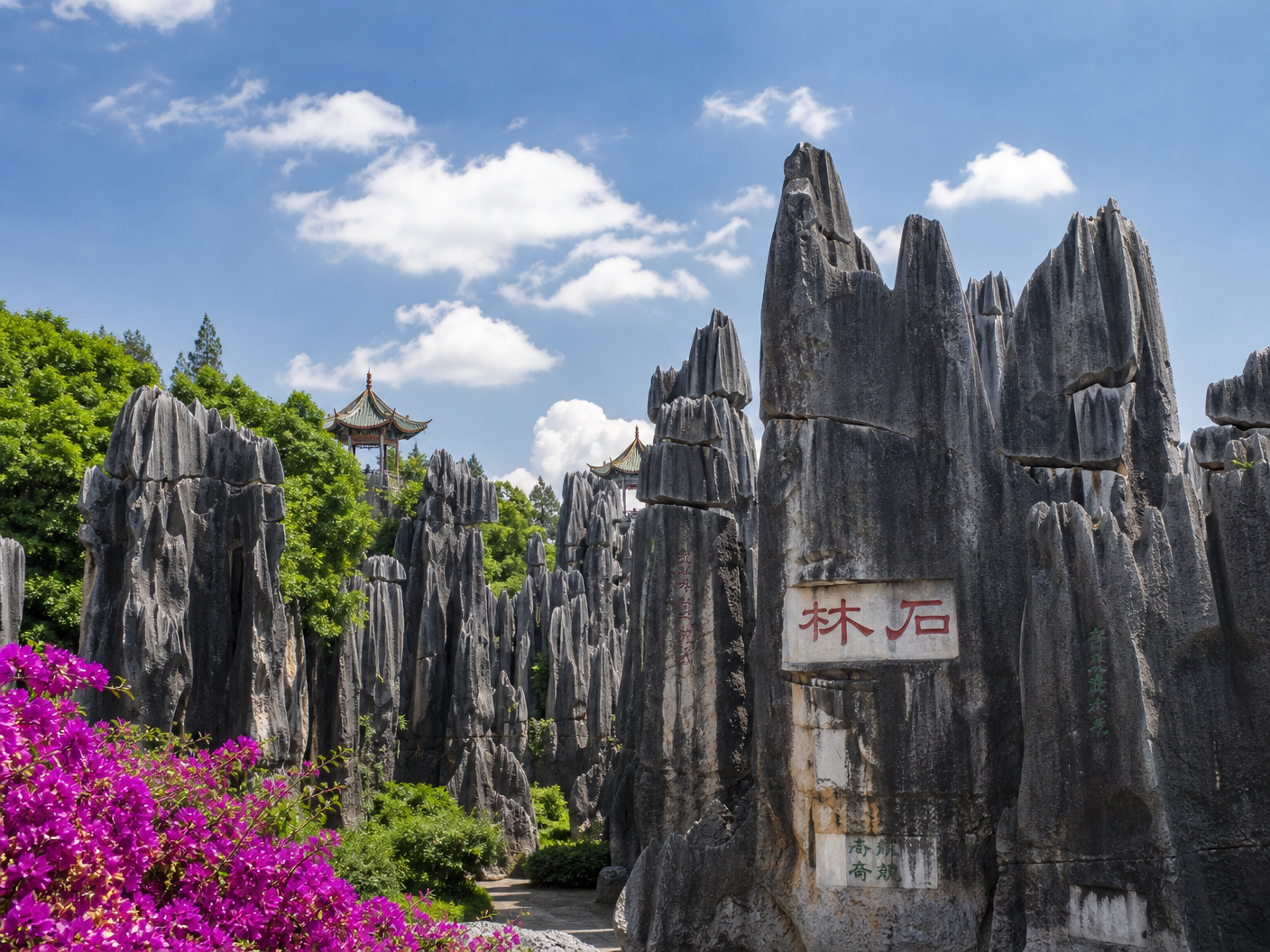
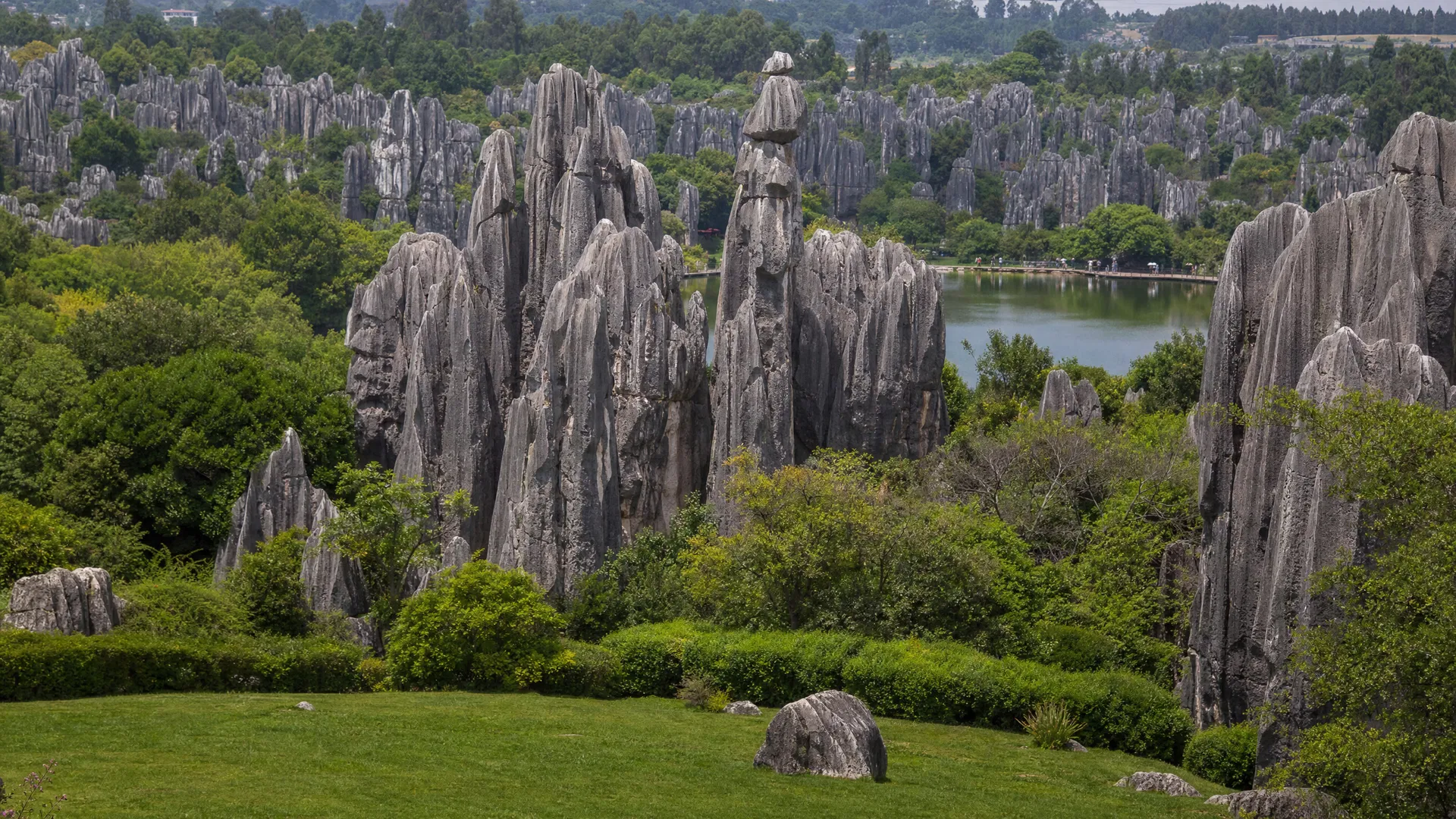
Stone Forest is one of China's most spectacular natural wonders, featuring thousands of towering limestone pillars rising from the earth. This UNESCO World Heritage Site showcases dramatic karst geology and offers hiking trails through this otherworldly landscape. The Stone Forest is a masterpiece of nature, creating a surreal environment that seems like a forest of stone.

Highlights:

  • Limestone pillars
  • Hiking trails
  • Natural wonder
  • Geological formations
Golden Horse and Jade Rooster Archway
2

Golden Horse and Jade Rooster Archway

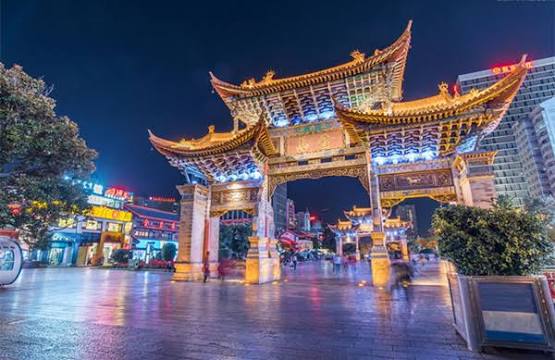
The Golden Horse and Jade Rooster Archway (金馬碧雞坊) is Kunming's most iconic historical landmark, a magnificent pair of ceremonial pailou arches that have stood at the heart of the city since the Ming Dynasty. According to legend, at the autumn equinox the setting sun casts the shadow of the Golden Horse arch onto the Jade Rooster arch, creating a rare optical spectacle that occurs only once every 60 years. Reconstructed in 1998 to its original grandeur, the twin arches serve as a beloved symbol of Kunming's identity and a vibrant gathering point in the city's commercial heart, making it an essential photo stop for all tour groups.

Highlights:

  • Ming Dynasty ceremonial arches
  • Rare 60-year optical spectacle
  • Iconic Kunming city symbol
  • Vibrant commercial heart location
Nanping Road Pedestrian Street
3

Nanping Road Pedestrian Street

Nanping Road Pedestrian Street (南屏路步行街) is Kunming's premier commercial and lifestyle boulevard, stretching through the heart of the city's modern downtown district. Lined with flagship stores, local boutiques, street food vendors, and vibrant night markets, the street captures the contemporary pulse of Yunnan's capital. The pedestrian zone comes alive after dark with illuminated storefronts, live street performances, and the mingling aromas of Yunnan cross-bridge noodles and local snacks, offering tour groups an authentic taste of modern Kunming urban culture alongside convenient shopping and dining options.

Highlights:

  • Premier commercial boulevard
  • Vibrant night market atmosphere
  • Local street food & Yunnan cuisine
  • Modern Kunming urban culture
Western Hills Dragon Gate
4

Western Hills Dragon Gate

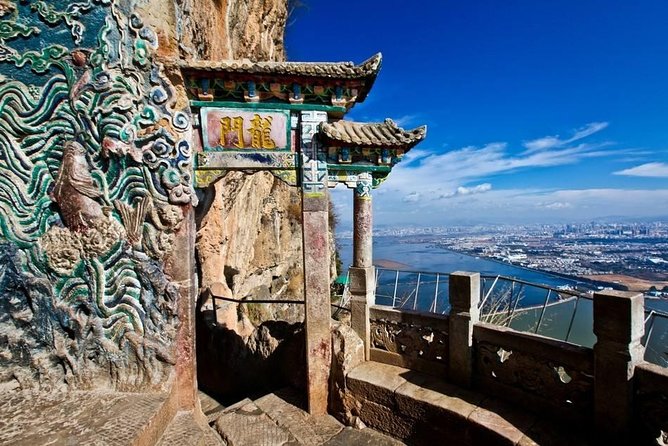
Western Hills Dragon Gate (西山龍門) is one of Kunming's most dramatic natural and cultural attractions, carved into sheer cliffs 300 metres above Dianchi Lake on the forested slopes of the Western Hills. The Dragon Gate grotto complex, painstakingly hand-carved by Taoist monks over 72 years from 1781 to 1853, features a series of tunnels, chambers, pavilions, and shrines culminating in the spectacular Ciyun Cave with its panoramic window overlooking the lake and city below. The arduous but rewarding climb through the cliff-face passages offers international visitors an unforgettable combination of physical adventure, religious heritage, and breathtaking natural scenery.

Highlights:

  • 72-year hand-carved cliff grottoes
  • 300m above Dianchi Lake
  • Taoist shrines & pavilions
  • Panoramic lake and city views
Jiuxiang Scenic Region
5

Jiuxiang Scenic Region

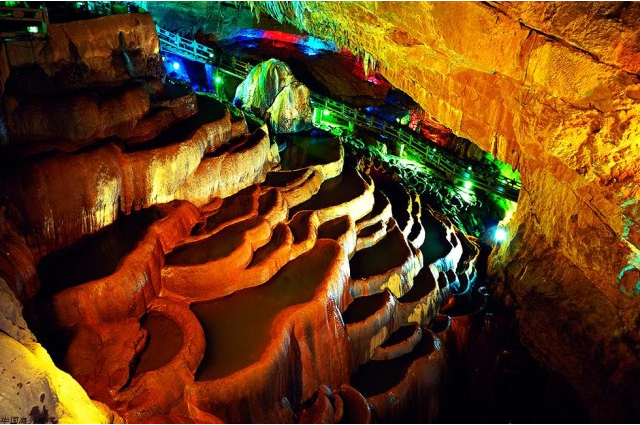
Explore the magnificent Jiuxiang Scenic Region, a geological marvel renowned for its vast karst cave systems, underground rivers, and dramatic waterfalls. Often hailed as the 'Cave Museum,' it offers an unparalleled adventure through stunning natural formations and showcases the unique customs of local ethnic minorities. This destination is perfect for adventure tourism and nature enthusiasts, providing breathtaking landscapes and a glimpse into ancient geological processes.

Highlights:

  • Karst Cave Systems
  • Underground Rivers
  • Dramatic Waterfalls
  • Geological Wonders

B2B Travel Information: Kunming

Overview for Travel Agencies

Kunming, the City of Eternal Spring, is the gateway to Yunnan Province's extraordinary diversity of landscapes and ethnic cultures. Travel agencies use Kunming as the hub for exploring the Stone Forest, Dali, Lijiang, and the minority villages of the Yunnan highlands, making it one of China's most strategically important destinations for comprehensive southwest China itineraries.

Group Size & Duration

Ideal for groups of 10–45 pax. Recommended tour duration: 1–2 days in Kunming as a gateway, with 7–14 day Yunnan circuits extending to Dali (3 hrs), Lijiang (4 hrs), and Shangri-La (7 hrs).

Logistics & Connectivity

Served by Kunming Changshui International Airport (KMG), Yunnan's main aviation hub with connections to Southeast Asia and all major Chinese cities. High-speed rail connects Kunming to Guiyang (2 hrs) and Chengdu (3 hrs).

Signature Experience

The Stone Forest (Shilin) — a UNESCO World Heritage Site featuring a labyrinthine landscape of grey limestone pillars rising from the earth like a petrified forest — combined with a Sani Yi minority cultural performance creates a memorable Kunming experience.

FancyChinatour B2B Service Highlight

FancyChinatour designs comprehensive Yunnan Province circuits from Kunming, including Stone Forest, Dali, Lijiang, and Shangri-La, with expert minority culture guides and seamless inter-city transport for international travel agencies.

Kunming gateway and Yunnan multi-city group planning

Kunming should be planned as the arrival-and-sequencing gateway for a Yunnan programme, not simply as a city stop: KMG timing, a short city or Stone Forest element, hotel changes and the next regional segment need to be considered together. A travel-agency brief should first establish the usable nights, group pace, luggage and comfort priorities before choosing whether Dali, Lijiang or Shangri-La follows; transport, access, accommodation and final inclusions are confirmed only in the written proposal.

  • Define Kunming as an arrival hub, a short city-and-Stone-Forest stay, or both before allocating time to the Yunnan continuation.
  • Sequence usable nights, hotel changes, luggage and group-comfort priorities before choosing the Dali, Lijiang or Shangri-La segment.
  • Provide arrival and departure windows, group profile, hotel level, guide language and accessibility needs; current transport, local access and final inclusions are confirmed in writing.

Kunming remains a Yunnan gateway, while Guizhou offers a separate mountain-karst and minority-culture programme for agencies comparing Southwest product roles. The route should be selected around available days, group pace and interpretation priorities, then confirmed in the written proposal.

Kunming and Guizhou cultural landscape programme designContrasts a Yunnan gateway and highland programme with Guizhou's community interpretation and mountain-karst focus.

Kunming is a Yunnan gateway and regional sequencing base, while Lhasa is a separate permit-aware Tibetan cultural programme with a different altitude and document context. Compare these roles when an agency is assessing a wider highland brief, without implying a fixed connection; travel conditions, access and final inclusions are confirmed in the written proposal.

Lhasa permit-aware Tibetan culture and altitude-sensitive group planningClarifies the difference between a Yunnan gateway function and a dedicated Tibet cultural-and-altitude segment.

Kunming can define arrival timing, hotel changes and the wider Yunnan sequence before Dali provides a slower old-town, Bai heritage and Erhai landscape section. This link is a planning reference, not a fixed transfer; current transport, local access, accommodation and final inclusions are confirmed in the written proposal.

Dali route design for Yunnan group programmesConnects the Yunnan arrival-and-sequencing role to Dali's separately paced cultural and lake landscape programme.

These links distinguish Kunming's arrival-and-sequencing role from Dali's lake-and-Bai cultural rhythm, Lijiang's ancient-town and mountain segment, and Shangri-La's higher-altitude Tibetan Buddhist setting. They support a staged group brief instead of a presumed transport pattern: the actual route order, current access, accommodation, guide allocation and final inclusions are confirmed in the written proposal.

Recommended Connectable Destinations

Coach
Stone Forest~2 hrs
Qujing~1 hr
Chuxiong~3 hrs
Yuxi~1 hr
Anning~1 hr
Fuxian Lake~1 hr
High-Speed Rail
Dali~1 hr
Lijiang~3 hrs
Pu'er~2 hrs
Jianshui~1 hr
Yuxi~37 hrs
Tonghai~1 hr
B2B operational Field Notes

Kunming: group-planning summary

Kunming should be planned either as a short city stay or as the operational gateway to a wider Yunnan route. This framework clarifies the gateway role, regional sequence and group inputs before services and timing are confirmed.

Key group-planning checkpoints

  1. Set Kunming's role in the route

    State whether Kunming is an arrival-and-departure hub, a one- or two-night city stay, or both. This decision determines how much city touring can be planned without compressing the onward programme.

    Key details to include
    • Identify Kunming as a hub, city stay or combined role.
    • Provide KMG arrival and departure timing.
    • Rank Stone Forest and city visits against onward travel.
  2. Build the Yunnan continuation

    Specify whether Dali, Lijiang, Shangri-La, Pu'er or another route element follows Kunming. Available days, transport preference and hotel changes should be evaluated as one regional programme.

    Key details to include
    • Name the required onward cities or scenic areas.
    • State usable days and transport preference.
    • Include hotel changes, baggage and meal expectations.
  3. Confirm the operational brief

    Provide group size, hotel level, guide language, dietary needs and any mobility requirements. Transport allocation, visit timing, accommodation availability and final inclusions are confirmed in the written proposal.

    Key details to include
    • State group size, hotel level and guide language.
    • Include dietary and mobility requirements early.
    • Confirm transport, accommodation and inclusions in writing.

Frequently Asked Questions about Kunming

What is the best time to visit Kunming?

Kunming enjoys a mild, spring-like climate year-round, earning it the nickname 'Spring City'. The best time to visit is March to October, with April–May being particularly beautiful when flowers are in bloom. The International Flower Expo (held periodically) is a major draw. Even in winter (November–February), temperatures rarely drop below 5°C, making Kunming a pleasant year-round destination.

What is the Stone Forest (Shilin) near Kunming?

The Stone Forest (Shilin) is a UNESCO World Heritage Site located 90 kilometres southeast of Kunming, featuring a vast landscape of grey limestone pillars that resemble a petrified forest. The formations were created over 270 million years by geological uplift and erosion. The site is sacred to the local Sani Yi ethnic minority people, who perform traditional music and dance at the park. FancyChinatour arranges day trips and overnight excursions to the Stone Forest.

What Yunnan ethnic minority experiences are available near Kunming?

Kunming is the gateway to Yunnan's extraordinary ethnic diversity. Near the city, visitors can experience the Sani Yi minority culture at the Stone Forest, the Dai minority water-splashing festival at Xishuangbanna (accessible by flight), and the Bai minority tie-dye craft villages near Dali. FancyChinatour specialises in authentic ethnic minority cultural experiences, including home-stay programmes, traditional craft workshops, and local festival participation.

Request a Quote

Get a personalized quote for your group travel to Kunming

Other ways to contact us:

loven@cnfancytours.com
Shanghai, China
B2B

Travel-agency enquiries

2009

Established

45

Published destination profiles

Ready to Explore Kunming?

Contact us today to plan your perfect trip to Kunming