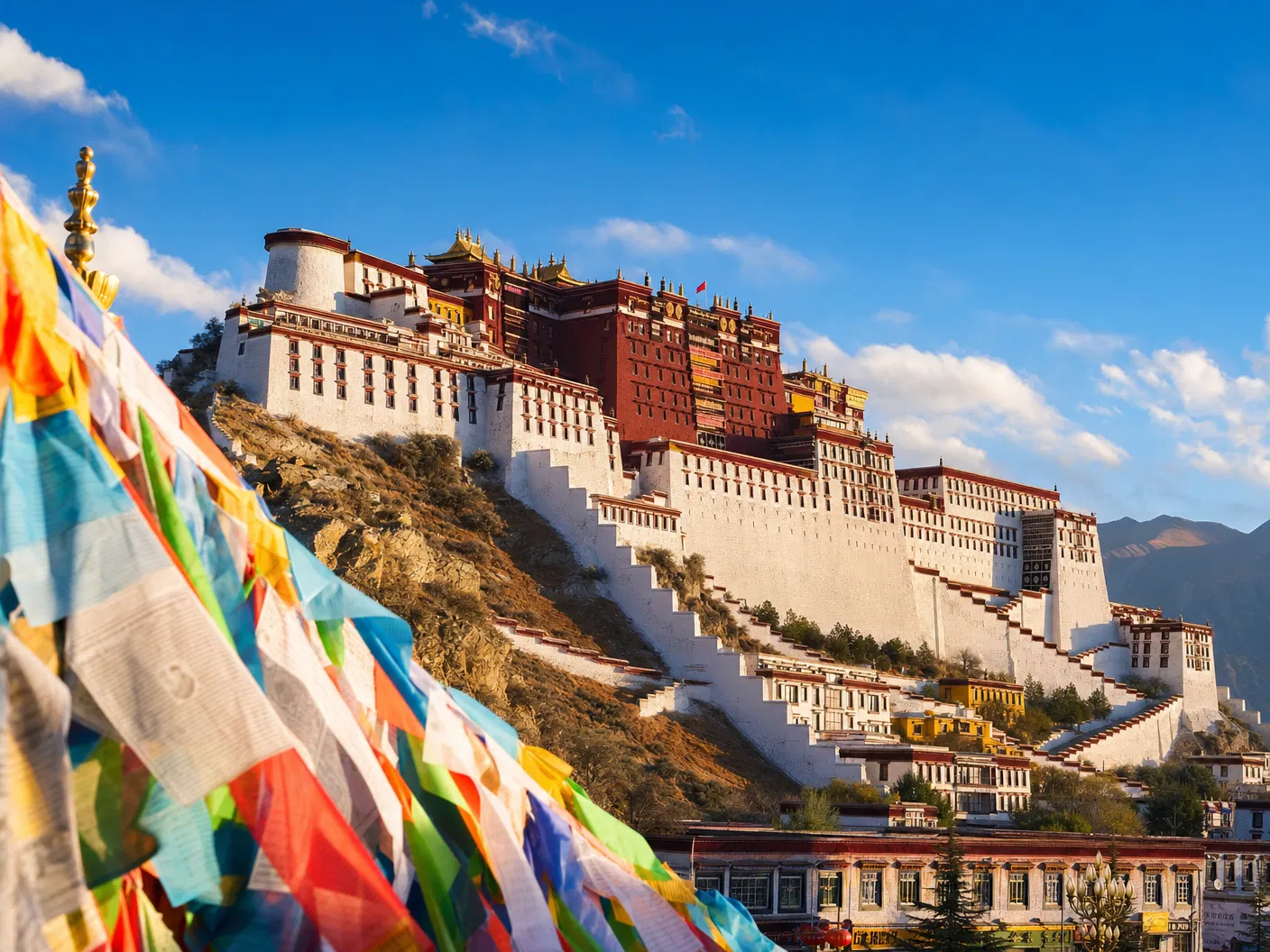
Lhasa
拉薩
Must-Visit Attractions
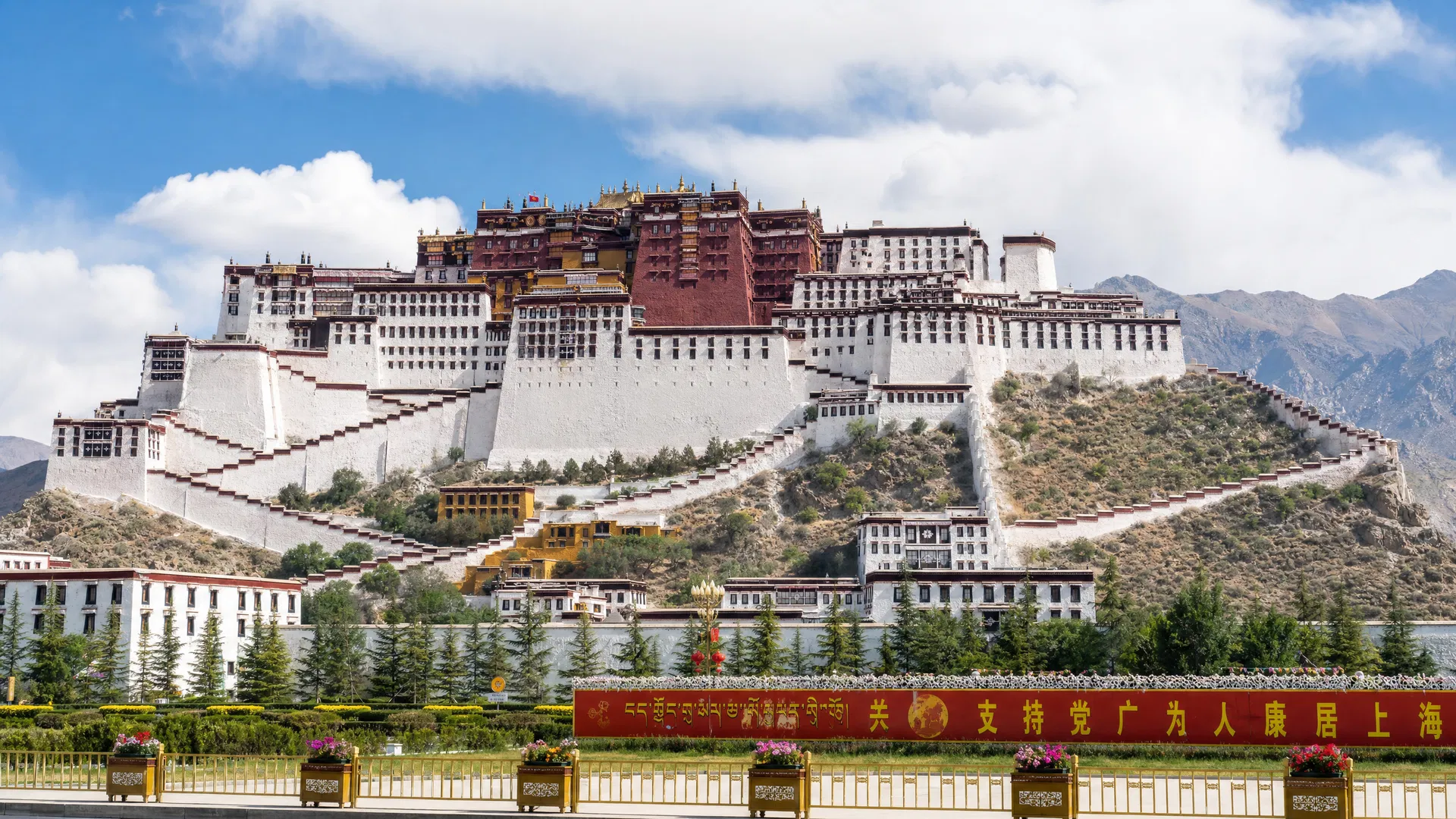
Potala Palace
Potala Palace is the most iconic symbol of Tibetan Buddhism and one of the world's highest palaces, standing at 3,700 meters elevation. This magnificent structure served as the winter residence of the Dalai Lamas and contains thousands of rooms filled with Buddhist artifacts and treasures. The palace is a UNESCO World Heritage Site and represents the pinnacle of Tibetan architectural achievement.
Highlights:
- Tibetan architecture
- Buddhist artifacts
- High altitude
- Cultural heritage
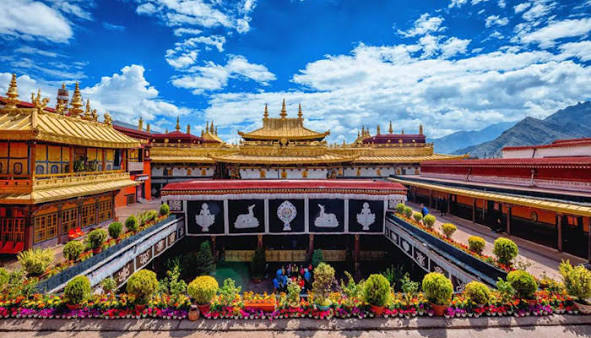
Jokhang Temple
Jokhang Temple is the most sacred temple in Tibetan Buddhism, housing a statue of Buddha that is venerated by pilgrims from across the Tibetan world. The temple is the spiritual heart of Lhasa and features stunning Tibetan Buddhist architecture with golden roofs and intricate decorations. Pilgrims circumambulate the temple as an act of devotion, creating a spiritual atmosphere.
Highlights:
- Sacred temple
- Buddhist artifacts
- Pilgrims
- Spiritual significance
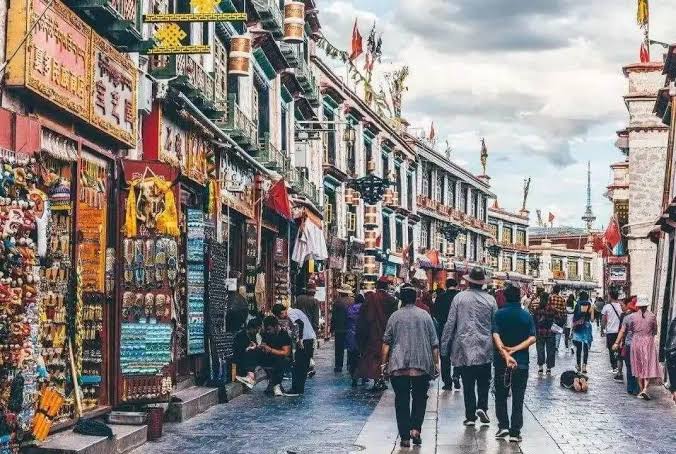
Barkhor Street
Barkhor Street is a sacred pilgrimage circuit around Jokhang Temple, lined with traditional Tibetan shops, monasteries, and prayer wheels. The street is filled with pilgrims, monks, and visitors experiencing Tibetan spiritual culture. Walking around Barkhor Street offers an authentic glimpse into Tibetan Buddhist traditions and daily life.
Highlights:
- Pilgrimage circuit
- Prayer wheels
- Traditional shops
- Spiritual atmosphere
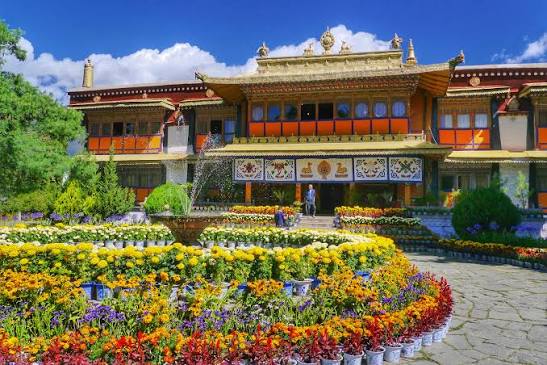
Norbulingka
Norbulingka, meaning "Jeweled Park," served as the traditional summer residence for the Dalai Lamas from the 1780s until 1959. This UNESCO World Heritage Site is renowned as the largest man-made garden in Tibet, offering a serene escape with its beautiful palaces and lush greenery. It also hosts the annual Sho Dun Festival, a vibrant celebration of Tibetan culture. Its historical significance and tranquil environment make it a key destination for cultural and spiritual tours.
Highlights:
- Dalai Lama's Summer Palace
- UNESCO World Heritage
- Largest Man-Made Garden
- Sho Dun Festival
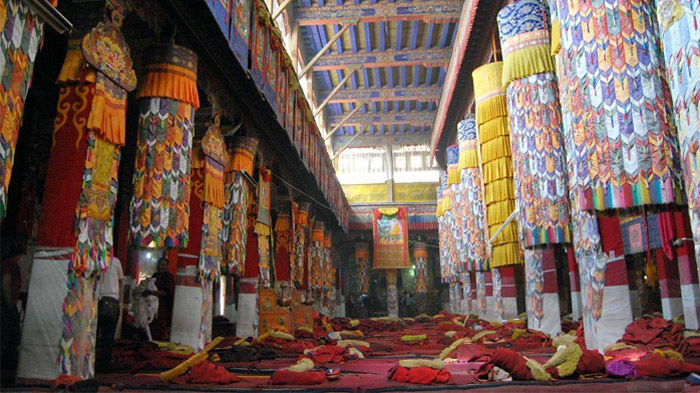
Drepung Monastery
Drepung Monastery, once the largest monastery in the world, is a pivotal institution of Tibetan Buddhism and one of the "great three" Gelukpa university monasteries. Nestled on Mount Gephel, it offers a profound glimpse into monastic life, ancient Buddhist scriptures, and intricate Tibetan art and architecture. Its vast complex and historical significance attract visitors seeking deep cultural immersion and spiritual understanding.
Highlights:
- Largest Tibetan Monastery
- Gelukpa University
- Buddhist Scriptures
- Tibetan Art & Architecture
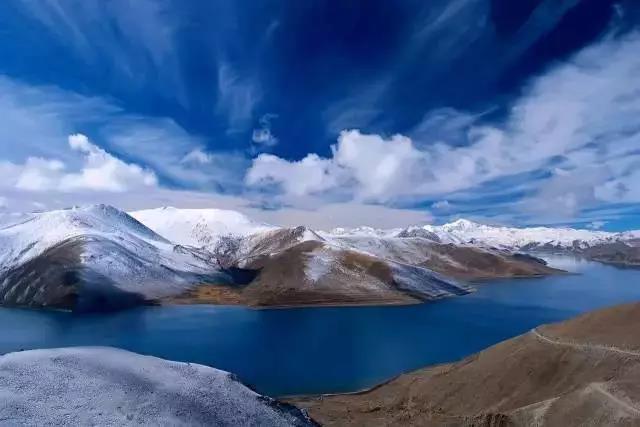
Yamdrok Lake
Yamdrok Lake (羊卓雍措) is one of Tibet's three sacred lakes, shimmering at 4,441 metres above sea level amid the high plateau. Its turquoise waters stretch over 675 square kilometres, reflecting the surrounding snow-capped peaks and golden barley fields in a panorama of extraordinary beauty. Revered by Tibetans as the life-soul lake of the region, Yamdrok is considered a living deity — draining the lake is believed to bring catastrophe to Tibet. For international tour groups, the drive along the lake's southern shore offers some of the most breathtaking high-altitude scenery in the world, with frequent stops for photography and encounters with nomadic herders and their yak herds.
Highlights:
- Sacred Tibetan lake
- 4,441m altitude
- Turquoise plateau waters
- Snow-peak reflections
B2B Travel Information: Lhasa
Overview for Travel Agencies
Lhasa is the spiritual heart of Tibet and one of the world's most extraordinary travel destinations, home to the iconic Potala Palace, the sacred Jokhang Temple, and the vibrant Barkhor Street pilgrimage circuit. Travel agencies offering Tibet tours must navigate specific permit requirements, but the profound spiritual atmosphere, unique Tibetan culture, and dramatic high-altitude landscapes create an unparalleled experience for international groups.
Group Size & Duration
Ideal for groups of 8–25 pax. Recommended tour duration: 4–5 days in Lhasa, with optional extensions to Shigatse (4 hrs), Namtso Lake (5 hrs), or Everest Base Camp (6 hrs). Altitude acclimatisation is essential.
Logistics & Connectivity
Served by Lhasa Gonggar Airport (LXA) at 3,570m altitude. Tibet Travel Permits required for all foreign visitors; FancyChinatour handles all permit applications. Altitude is 3,650m in Lhasa; minimum 2 days acclimatisation recommended.
Signature Experience
The Barkhor Street pilgrimage circuit at dawn — joining Tibetan pilgrims circumambulating the Jokhang Temple with prayer wheels spinning and butter lamps flickering — followed by a sunrise view of the Potala Palace from Chakpori Hill.
FancyChinatour B2B Service Highlight
FancyChinatour specialises in Tibet group logistics, handling all Tibet Travel Permits, altitude acclimatisation protocols, and expert Tibetan Buddhist culture guides for international travel agency groups.
Lhasa permit-aware Tibetan culture and altitude-sensitive group planning
Lhasa should be briefed as a Tibetan cultural programme with a permit-aware, altitude-sensitive group rhythm, rather than as a single compressed sightseeing day. Agencies should share arrival and departure mode, usable nights, cultural interpretation priorities, group movement needs and hotel or guide preferences first; document requirements, visit timing, access, transport and final inclusions are confirmed in the written proposal.
- Set the altitude rhythm before cultural density: separate arrival, acclimatisation and core heritage days instead of assuming every group can follow the same pace.
- Keep permit and itinerary inputs in one brief: confirm source market or document needs, dates, arrival points, group size, rooming and guide language before quotation.
- Clarify whether Lhasa is a focused Tibet cultural programme or a separate highland component alongside Shangri-La, Chengdu or Kunming.
Representative agency planning scenario: Lhasa cultural stay with altitude pacing
This is an illustrative planning scenario, not a published client testimonial or a confirmed booking outcome.
Programme question
How can a culture-focused group retain a clear Lhasa stay without placing arrival, dense monastery visits and onward travel on the same day?
Planning distinction
Sequence arrival, acclimatisation, Tibetan Buddhist interpretation and departure as separate programme decisions before considering a wider Southwest extension.
Information requested
Source-market and document context, dates, entry and exit points, group profile, hotel expectations, guide language and mobility requirements.
Planning decisions illustrated
- Treat altitude acclimatisation and cultural interpretation as separate programme needs when setting the daily rhythm.
- Assess whether a wider Southwest extension has enough usable nights without implying a fixed transport sequence.
- Confirm permit feasibility, visit timing, transport, accommodation, guide allocation and final inclusions in the written proposal.
This scenario guides an enquiry discussion only. Permit eligibility, documents, access, transport, accommodation and all final service terms are confirmed in the written proposal.
Lhasa and Qinghai high-altitude programme comparison
Lhasa’s permit-aware Tibetan cultural stay and Qinghai’s Xining-gateway plateau ecology programme require different briefing questions, even though both involve highland conditions. Agencies should define cultural priorities, usable nights, group movement and altitude comfort before deciding whether either page belongs in the wider product; access, documents, timing, transport and final inclusions are confirmed in the written proposal.
Qinghai and Lhasa high-altitude programme comparisonCompares Qinghai’s lake-and-wetland ecology with Lhasa’s permit-aware Tibetan cultural programme without presenting a fixed route.Plan a high-altitude cultural route
Lhasa should be briefed as a permit-aware, altitude-sensitive cultural programme. Comparing Lhasa with Shangri-La and Chengdu helps an agency clarify whether the requested product is a focused Tibet journey or a broader Southwest China itinerary, subject to written confirmation of access and current conditions.
Recommended Connectable Destinations
Frequently Asked Questions about Lhasa
What is the best time to visit Lhasa, Tibet?
May to October is the best time to visit Lhasa, with the most stable weather and clearest skies for viewing the Himalayas. The peak season is July–August, which coincides with the Shoton (Yoghurt) Festival. April–May and September–October offer fewer crowds and pleasant temperatures. Winter (November–March) is cold but offers a unique experience with fewer tourists and occasional snowfall on the Potala Palace.
Do foreign travellers need a special permit to visit Tibet?
Yes, foreign travellers (including Hong Kong and Macau residents) require a Tibet Travel Permit in addition to a valid Chinese visa to enter Tibet. The permit must be arranged through a licensed Tibetan travel agency and cannot be obtained independently. FancyChinatour handles all Tibet Travel Permit applications as part of our Tibet tour packages, ensuring a smooth and compliant entry process for all group members.
How should travellers prepare for altitude sickness in Lhasa?
Lhasa sits at 3,650 metres above sea level, and altitude sickness (AMS) is a common concern. Travellers should plan 1–2 rest days upon arrival, avoid alcohol and strenuous activity for the first 48 hours, stay well hydrated, and consider consulting a doctor about altitude medication (acetazolamide). FancyChinatour provides pre-trip altitude acclimatisation advice, arranges oxygen supplies at hotels, and monitors group health throughout the itinerary.
Request a Quote
Get a personalized quote for your group travel to Lhasa
Travel-agency enquiries
Established
Published destination profiles