Qinghai
青海
Must-Visit Attractions
Qinghai Lake
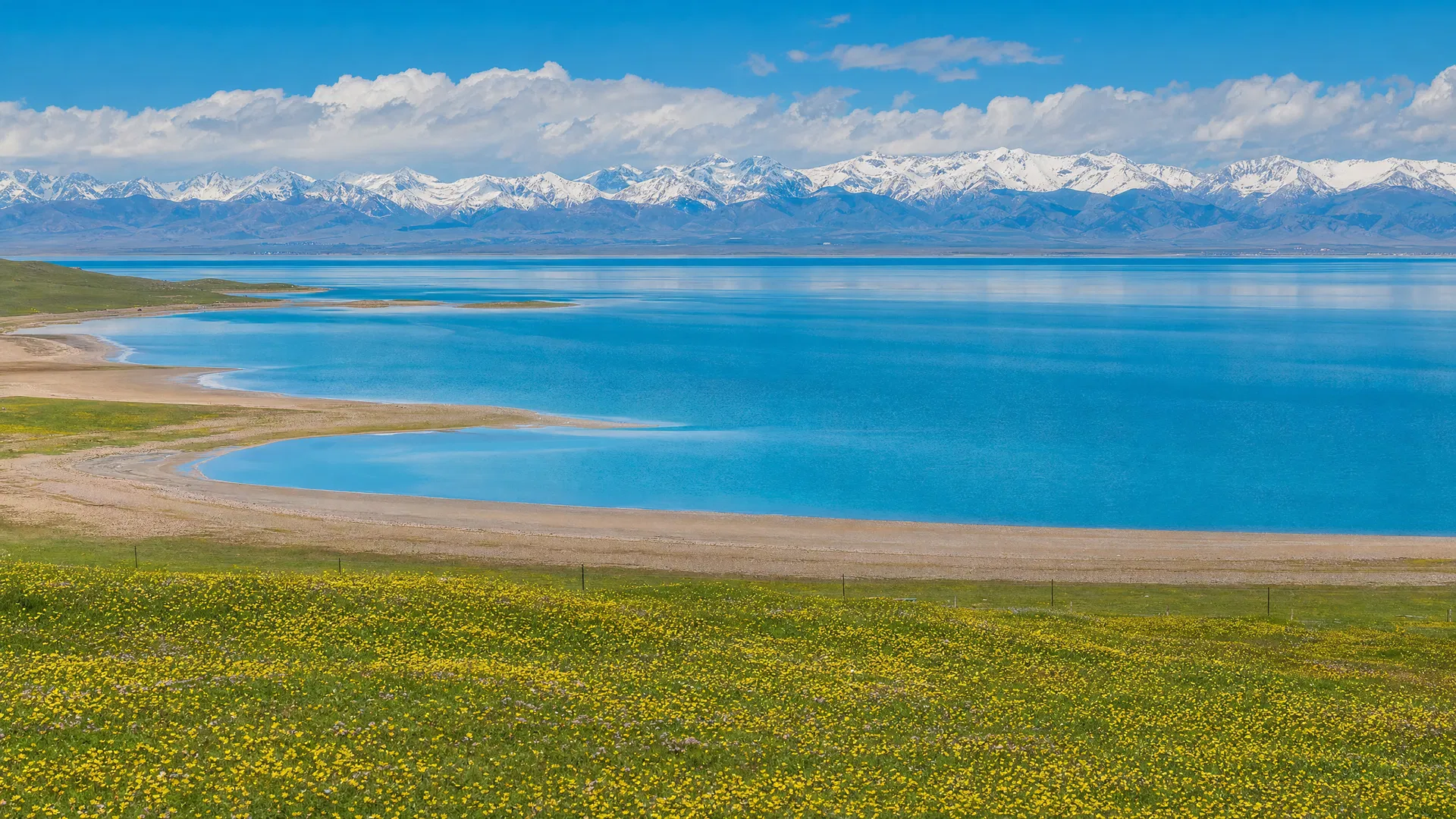
Qinghai Lake is China's largest inland saltwater lake, featuring pristine turquoise waters surrounded by snow-capped mountains and vast alpine meadows. The lake is a stunning natural wonder with a circumference of over 100 kilometers. Visitors can enjoy scenic drives around the lake, birdwatching, and experiencing the unique plateau landscape with its diverse ecosystem and natural beauty.
Highlights:
- Turquoise waters
- Snow-capped mountains
- Alpine meadows
- Scenic drives
Kumbum Monastery
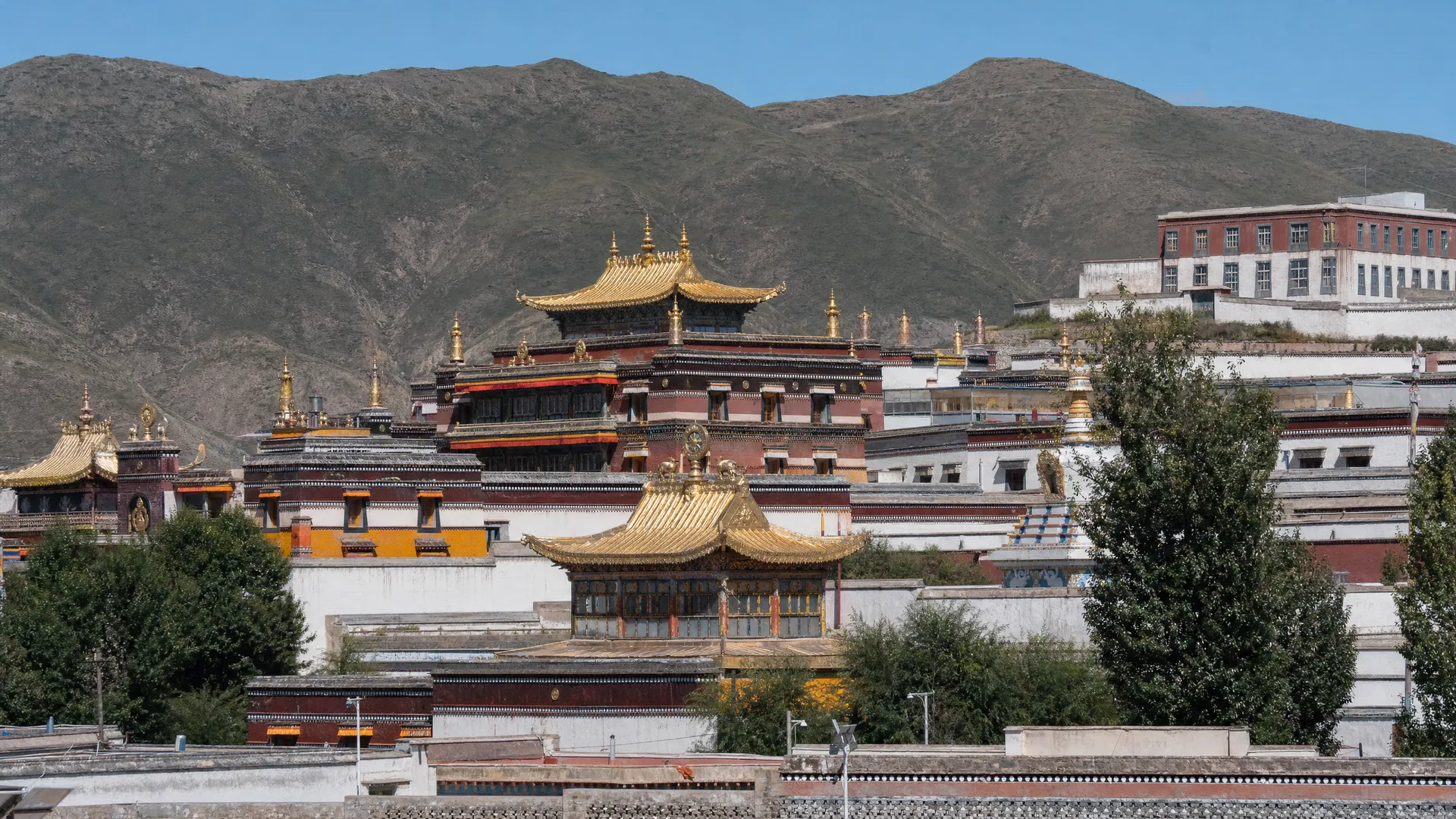
Kumbum Monastery is one of the most important Tibetan Buddhist monasteries, featuring stunning golden roofs and traditional architecture set in a mountain landscape. The monastery is a major pilgrimage site and religious center with intricate religious buildings, prayer halls, and sacred spaces. Visitors can experience Tibetan Buddhist culture, observe monks, and explore the architectural beauty of this spiritual sanctuary.
Highlights:
- Golden roofs
- Buddhist architecture
- Religious ceremonies
- Tibetan culture
Chaka Salt Lake
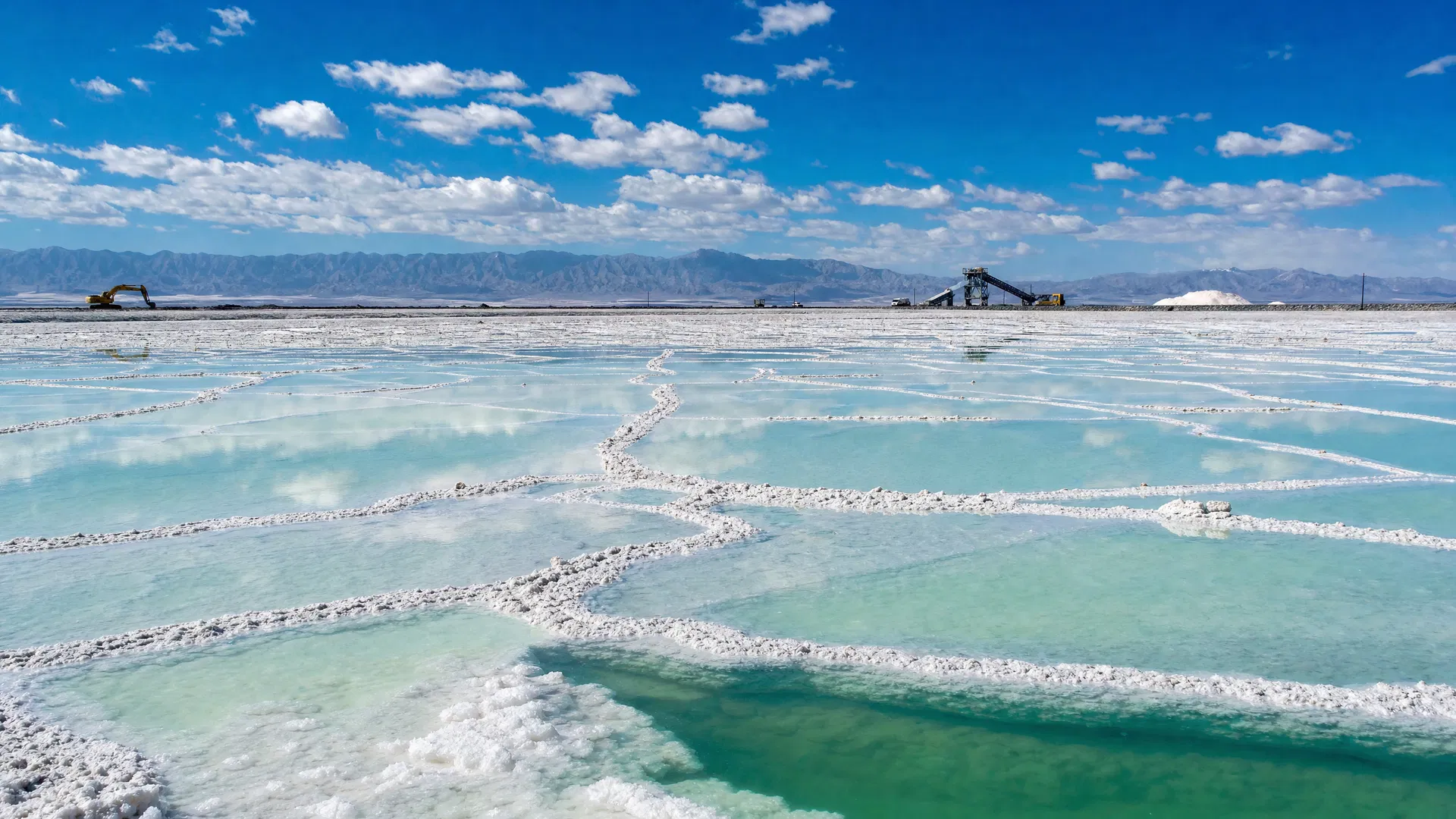
Experience the otherworldly beauty of Chaka Salt Lake (察爾汗鹽湖), one of China's most stunning natural wonders. This vast salt lake features pristine white salt flats that mirror the blue sky like a natural mirror, creating a surreal landscape. The geometric salt patterns, shallow turquoise waters, and salt mining operations create a unique and dramatic scenery perfect for photography and unforgettable memories.
Highlights:
- Mirror-like salt flats
- Turquoise waters
- Photography paradise
- Unique salt formations
Wusute Water Yadan Geological Park
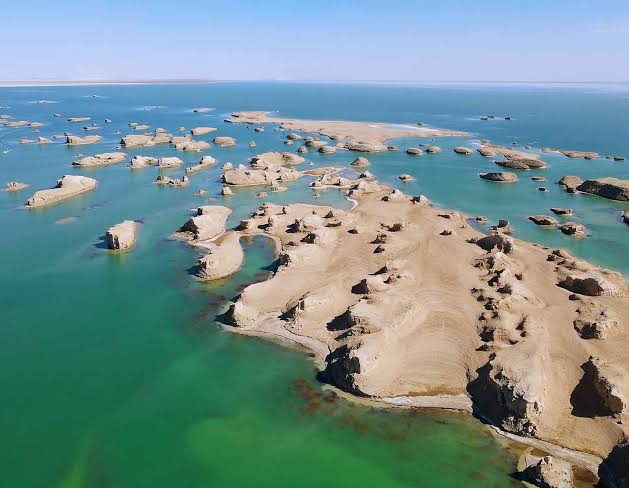
Located in the northwest of the Qaidam Basin, Wusute Water Yadan Geological Park is a unique geological wonder. Millions of years of wind and water erosion have sculpted distinctive yardang landforms that appear to float on the lake. These natural formations resemble ancient castles, majestic warships, and vast camel caravans, creating a surreal and captivating landscape. It offers a rare opportunity to witness the Earth's artistic craftsmanship and the harmonious blend of desert and water.
Highlights:
- Unique Landforms
- Water-Eroded Yardangs
- Qaidam Basin
- Geological Wonder
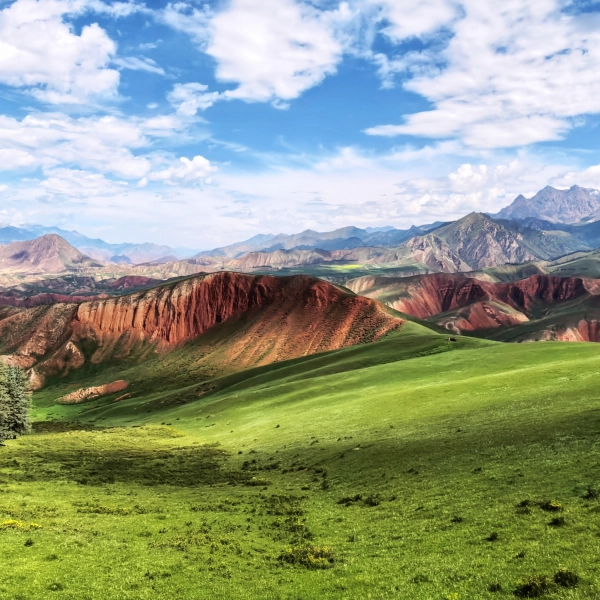
Zhuoer Mountain
Often hailed as the 'Little Switzerland of the East,' Zhuoer Mountain is a breathtaking branch of the Qilian Mountains. It boasts a stunning tapestry of vibrant red Danxia cliffs, expansive green grasslands, and golden rapeseed fields, all set against the backdrop of distant, snow-capped peaks. The panoramic views from its summit are truly spectacular, offering visitors an immersive experience in Qinghai's diverse and majestic natural beauty. It's an ideal destination for nature lovers and photographers.
Highlights:
- Little Switzerland of the East
- Danxia Landforms
- Qilian Mountains
- Panoramic Views
B2B Travel Information: Qinghai
Overview for Travel Agencies
Qinghai Province works as a plateau ecology and Tibetan cultural programme, with Xining serving as an arrival-and-pacing gateway rather than a separate competing itinerary. Agencies can distinguish Qinghai Lake and wider highland landscapes from monastery interpretation and group movement needs before defining the travel window, cultural depth and outdoor pace for an international group.
Group Size & Duration
Ideal for groups of 8–25 pax. Recommended tour duration: 5–7 days to explore Qinghai Lake, Kumbum Monastery, and the Qilian Mountains. Altitude acclimatisation is essential.
Logistics & Connectivity
Served by Xining Caojiabao International Airport (XNN). High-speed rail connects Xining to Lanzhou (1.5 hrs) and Xi'an (3.5 hrs). Altitude ranges from 2,200m in Xining to 3,200m at Qinghai Lake; FancyChinatour provides altitude acclimatisation protocols.
Signature Experience
Watching the sunrise over Qinghai Lake — China's largest lake at 4,500 square kilometres — as the sky turns from deep purple to gold and flocks of bar-headed geese take flight over the mirror-still water, with the snow-capped Qilian Mountains as a backdrop.
FancyChinatour B2B Service Highlight
FancyChinatour provides altitude acclimatisation guidance, Kumbum Monastery expert Buddhist guides, and Qinghai Lake sunrise photography experiences for international travel agency groups.
Qinghai plateau ecology and Xining gateway group planning
Qinghai should be planned as a provincial plateau programme, with Xining used for arrival and group pacing rather than treated as a second competing destination page. Agencies should separate lake-and-wetland landscapes, Tibetan cultural interpretation and highland outdoor movement, then provide usable nights, arrival point, mobility, altitude comfort, accommodation and guide-language preferences before quotation. Access conditions, timing, vehicles, supplier availability and final inclusions are confirmed only in the written proposal.
- Separate Xining arrival and recovery time from the plateau-lake programme instead of assuming acclimatisation, long movement and core visits fit the same day.
- Rank wetland or lake landscapes, Tibetan cultural interpretation and wider highland scenery so the proposal reflects the group’s actual priorities.
- Confirm season, group mobility, photography or nature-observation interests, rooms, guide language and final scope in the written proposal.
Compare Qinghai plateau ecology, Tibetan culture and Silk Road programme roles
These related pages help agencies define Qinghai’s Xining-gateway and plateau-ecology role alongside an Xi’an heritage gateway, Lhasa’s permit-aware Tibetan cultural programme and Dunhuang’s Silk Road heritage context. They are planning comparisons rather than fixed route promises; usable nights, travel window, access, transport and final inclusions are confirmed in the written proposal.
Recommended Connectable Destinations
Frequently Asked Questions about Qinghai
What is the best time to visit Qinghai Province?
June to September is the best time to visit Qinghai, when the Qinghai Lake area is at its most beautiful with yellow rape flowers in bloom (July–August), the Tibetan plateau is accessible, and temperatures are mild. The Qinghai Lake International Road Cycling Race (July) is a major sporting event. Spring (April–May) and autumn (September–October) are also pleasant. Winter (November–February) is very cold and some high-altitude areas are inaccessible.
What is Qinghai Lake and why is it significant?
Qinghai Lake (Qinghai Hu) is China's largest inland lake and the largest saltwater lake in Asia, covering 4,317 square kilometres at an altitude of 3,196 metres. The lake is a nationally protected nature reserve and an important stopover for migratory birds, with over 160,000 birds of 189 species visiting annually. The surrounding landscape of snow-capped mountains, golden rape flower fields, and turquoise water is one of China's most spectacular natural panoramas. FancyChinatour offers cycling and photography tours around the lake.
What Tibetan cultural experiences are available in Qinghai?
Qinghai is the birthplace of the Dalai Lama and a major centre of Tibetan Buddhist culture. Key cultural experiences include visiting Ta'er Monastery (Kumbum Monastery) near Xining, one of the six great monasteries of the Gelug school of Tibetan Buddhism, attending the Monlam Prayer Festival (January–February), exploring the Tibetan Plateau's nomadic communities, and visiting the source of the Yellow River in the Sanjiangyuan National Nature Reserve. FancyChinatour arranges culturally sensitive Tibetan cultural immersion programmes.
Request a Quote
Get a personalized quote for your group travel to Qinghai
Travel-agency enquiries
Established
Published destination profiles